


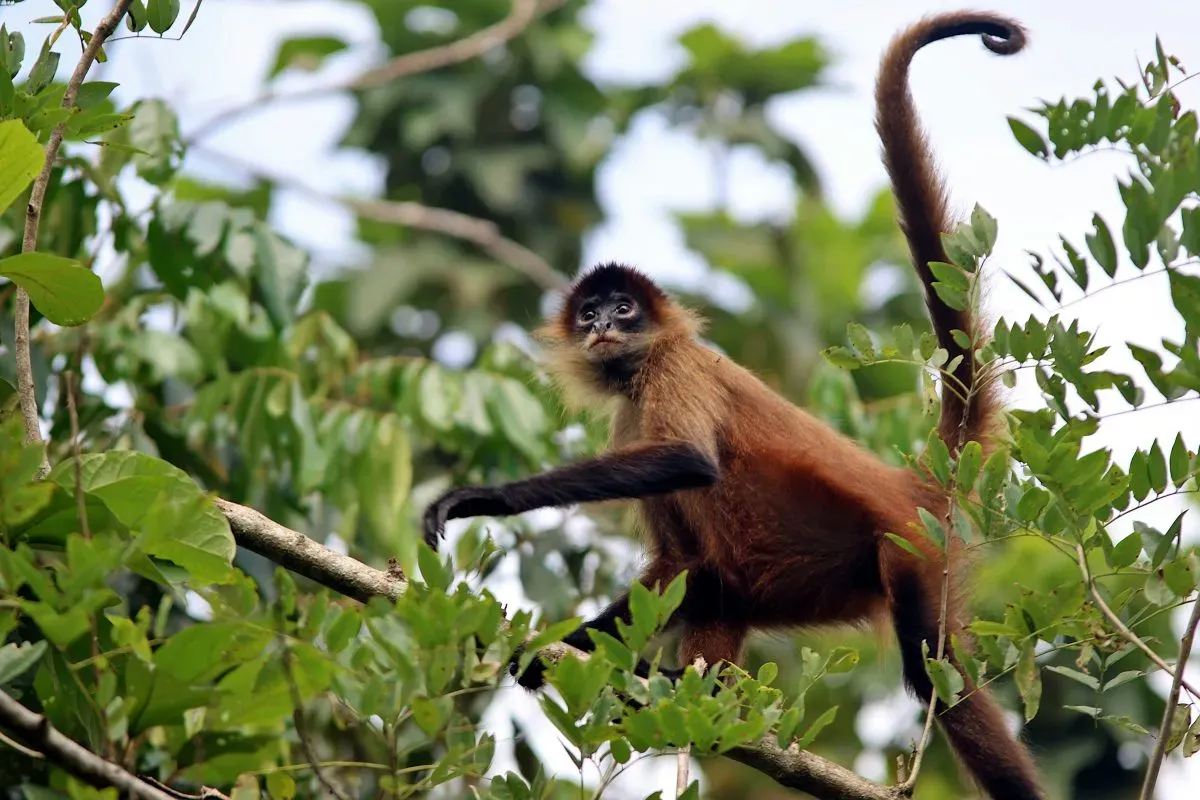
Panama’s Ministry of Environment is conducting an administrative investigation after a rescued spider monkey died from tuberculosis in state care. The female Spider monkey (Ateles fusciceps) passed away in November 2025, prompting a public complaint from the individual who had kept the wild animal at their residence. Officials aim to determine the origin of the infection and review all handling procedures.
The ministry, known locally as MiAmbiente, confirmed the cause of death as a Mycobacterium tuberculosis infection. This case has intensified scrutiny of protocols within the government’s wildlife rehabilitation system. It also highlights the persistent public health dangers of keeping wild animals as pets, a practice that remains illegal under Panamanian law.
“The investigation aims to review in detail the procedures applied during the handling, care, and medical follow-up provided to the specimen, in order to determine the traceability of the contagion and guarantee transparency in this case,” the institution explained. [Translated from Spanish]
Authorities stated the probe will trace the pathogen’s path to clarify whether the animal was infected before its rescue or during its time at the state veterinary clinic. The individual who surrendered the monkey claims it was in good health upon handover. MiAmbiente has publicly lamented the incident while pledging a thorough review.
Wildlife Care Protocols Under Review
Corrective measures for future wildlife intakes are a central goal of the investigation. Ministry officials emphasized the dual need to protect both animal welfare and human health. Veterinary staff and the general public face potential exposure when sick wild animals enter the state system.
The bacterium identified, Mycobacterium tuberculosis, causes a classic Zoonotic disease. These illnesses can transfer between animals and people. This specific case raises complex questions about transmission chains within a controlled environment intended for care.
MiAmbiente’s statement was unequivocal about the broader lesson. The ministry urged citizens to stop keeping wild animals as pets. This practice threatens endangered species and introduces serious health risks to households. Panama’s 1995 Wildlife Law strictly prohibits the possession of wild fauna.
Public cooperation remains essential for enforcement. Citizens can report illegal wildlife possession or findings through the ministry’s 311 hotline or its official social media channels. The ministry often faces the challenge of rehabilitating animals rescued from domestic settings, a process fraught with medical and behavioral complications.
This spider monkey’s death now serves as a sobering case study. It tests existing protocols and may reshape how Panama manages the intersection of wildlife conservation and public health. The investigation’s findings could lead to new training, quarantine measures, or diagnostic procedures for incoming animals.
Final results from the administrative investigation are pending. Officials have not provided a timeline for its completion. The ministry’s next steps will depend entirely on what the internal review reveals about this specific tragedy and the systemic vulnerabilities it may expose.