


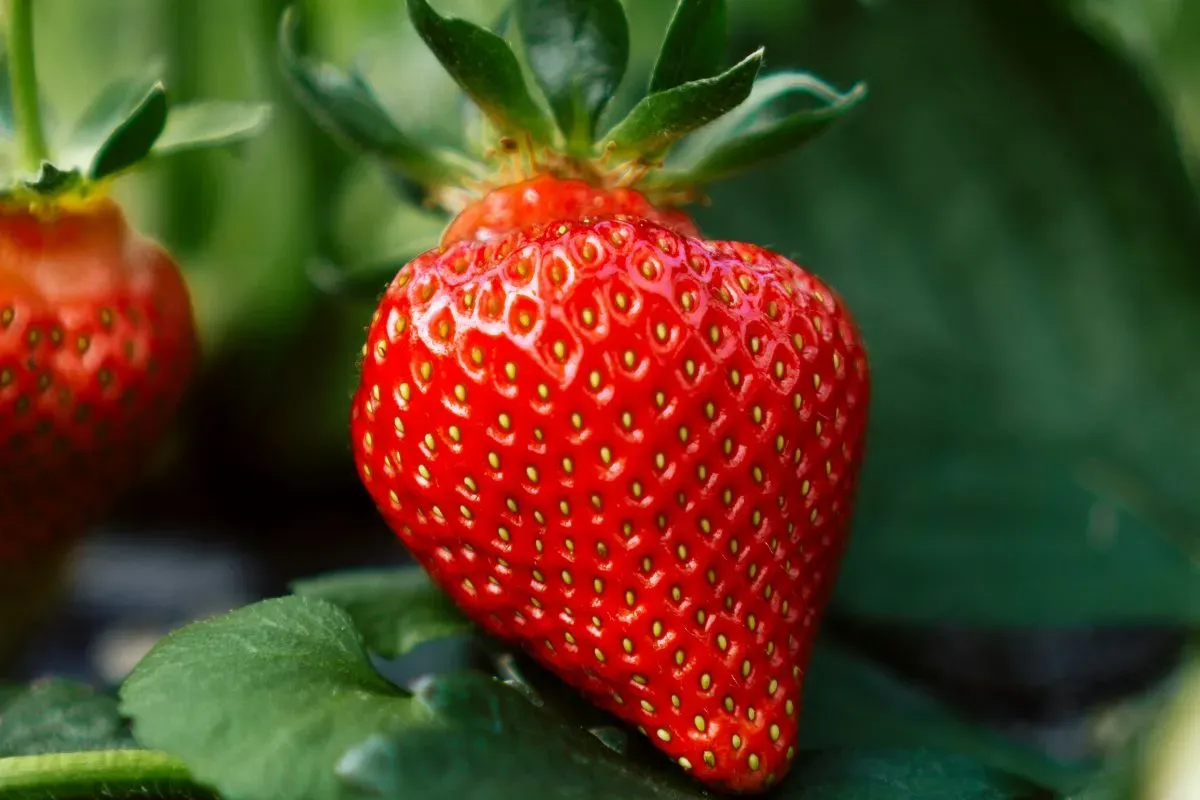
A farm in the highlands of Boquete, Panama is working to reconnect Panamanians with the land. La Granjerita, an agrotourism farm, combines sustainable production with educational experiences to address a national crisis in the agricultural sector.
The farm operates entirely without pesticides or chemicals. Its founder, Lourdes Guerra Suárez, stated that one of her primary challenges involves motivating young people to return to rural work and revitalize the country’s primary economic sector.
She explained the farm’s philosophy of conservation and respect for natural cycles.
“These little plants we have here, look, they only have bees pollinating them. This is the Mexican husk tomato used to make green salsa for chilaquiles. So, what do we do? We are not going to throw away this seed. We are going to take this little plant and we are going to replant it in another area of the farm, but we are not going to discard it,”
said Lourdes Guerra Suárez. [Translated from Spanish]
This approach extends to pest management, which focuses on population control rather than eradication. The farm uses only green or sustainable applications to protect its harvest while acknowledging the ecosystem’s needs.
Closing the Loop on Farm Waste
Manlio Cuevas, a tour guide at La Granjerita, detailed the operation’s circular practices. Every piece of organic material, typically considered waste on a conventional farm, gets reused on the property.
“It is important to understand that all of this can be energy that can work for our farm. At the same time, we reuse and help the system, so we do not exhaust it, we do not destroy it, and that is one of the keys to the farm,”
Cuevas emphasized. [Translated from Spanish] These methods align with broader global principles of sustainable agriculture that prioritize soil health and resource efficiency.
The farm’s model demonstrates that productivity does not require exploitation. Guerra Suárez directly appealed to consumers to support local producers as a matter of national and economic importance.
Education as a Core Crop
Beyond growing food, La Granjerita cultivates empathy and knowledge. The agrotourism experience is designed to forge a tangible connection between visitors and the source of their food.
Cuevas described the farm’s educational mission. He noted that creating empathy between people and plants is a key goal, ensuring visitors leave with both enjoyment and a deeper understanding. This hands-on learning represents a form of sembrar futuro, or sowing the future, by changing public perception.
The farm relies heavily on natural processes like pollination from its resident bee populations. Protecting these pollinators is a critical component of its organic methodology and long-term viability.
A Personal Legacy with National Impact
For founder Lourdes Guerra Suárez, this work is deeply personal. She views working the land as a way to honor her family’s heritage while actively contributing to Panama’s food security.
Her project proves that educating the public, caring for the environment, and passionate work can plant genuine hope. It offers a replicable blueprint for how -finca-agroturistica-de-boquete-apuesta-por-la-agricultura-sostenible boquete farms can diversify and thrive.
The initiative in Boquete arrives at a crucial time. It provides a tangible answer to the question of how Panama can sustain its agricultural identity and ensure a resilient local food supply for coming generations.