


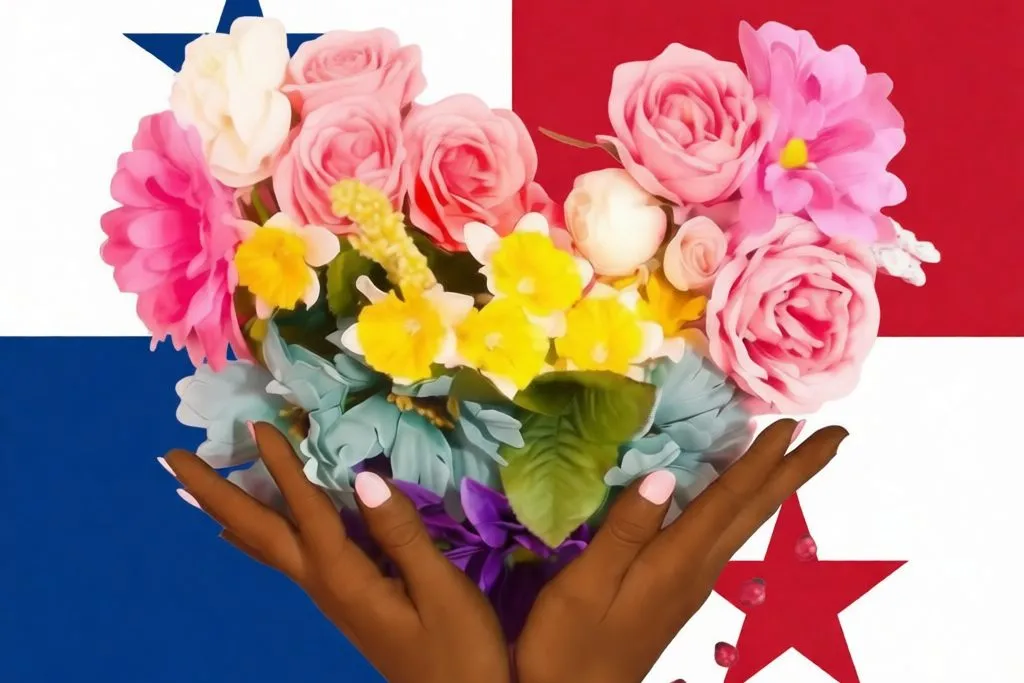
Panama uniquely observes Mother’s Day every year on December 8. This date directly coincides with the country’s national holiday for the Immaculate Conception. The tradition originated from a formal petition by a group of Catholic women nearly a century ago.
Back in 1930, these women requested a change to the nation’s Mother’s Day celebration. The holiday had been observed on May 11 since its official introduction in 1924. Their proposal sought to align the day honoring mothers with the feast of the Immaculate Conception, a key Marian celebration in the Catholic faith. This move aimed to infuse the secular celebration with deeper spiritual meaning centered on divine motherhood.
A Legislative Change for Motherhood
The campaign gained significant momentum with the support of First Lady Hercilia de Arosemena. Her endorsement helped spark a broader public debate about the holiday’s purpose. Citizens and lawmakers discussed whether the day should focus more on familial or spiritual themes. The discussion ultimately reached the halls of the National Assembly of Panama.
The legislative body made the change official before the year’s end. They passed Law 69 of 1930 (Panama) on December 18. This law permanently established December 8 as the official Día de la Madre in Panama. It created the unique dual celebration the country knows today.
“This linkage reinforces the values of family and faith that are pillars of our society,” a cultural historian from Panama’s National Institute of Culture noted recently. [Translated from Spanish]
The law effectively merged a national secular holiday with an important religious feast day. For Panamanians, the date now serves a dual purpose. It is both a holy day of obligation for Catholics and a nationwide celebration of maternal figures. Families typically attend morning mass before gathering for large meals and gift-giving.
This fusion makes Panama one of the few countries in the world with this specific December timing. The celebration stands apart from the more common May observances seen in nations like the United States. It also differs from other Latin American countries that celebrate in the spring. The day is a public holiday, meaning schools, government offices, and many businesses close.
Modern celebrations continue to reflect the day’s blended origins. Many families begin their observance with special church services dedicated to mothers. The rest of the day is then devoted to family gatherings, festive meals, and honoring living mothers and grandmothers. The tradition remains deeply ingrained in the national culture, connecting family devotion with religious heritage. This enduring practice shows how a 1930 petition successfully shaped a lasting national tradition for Panama.