


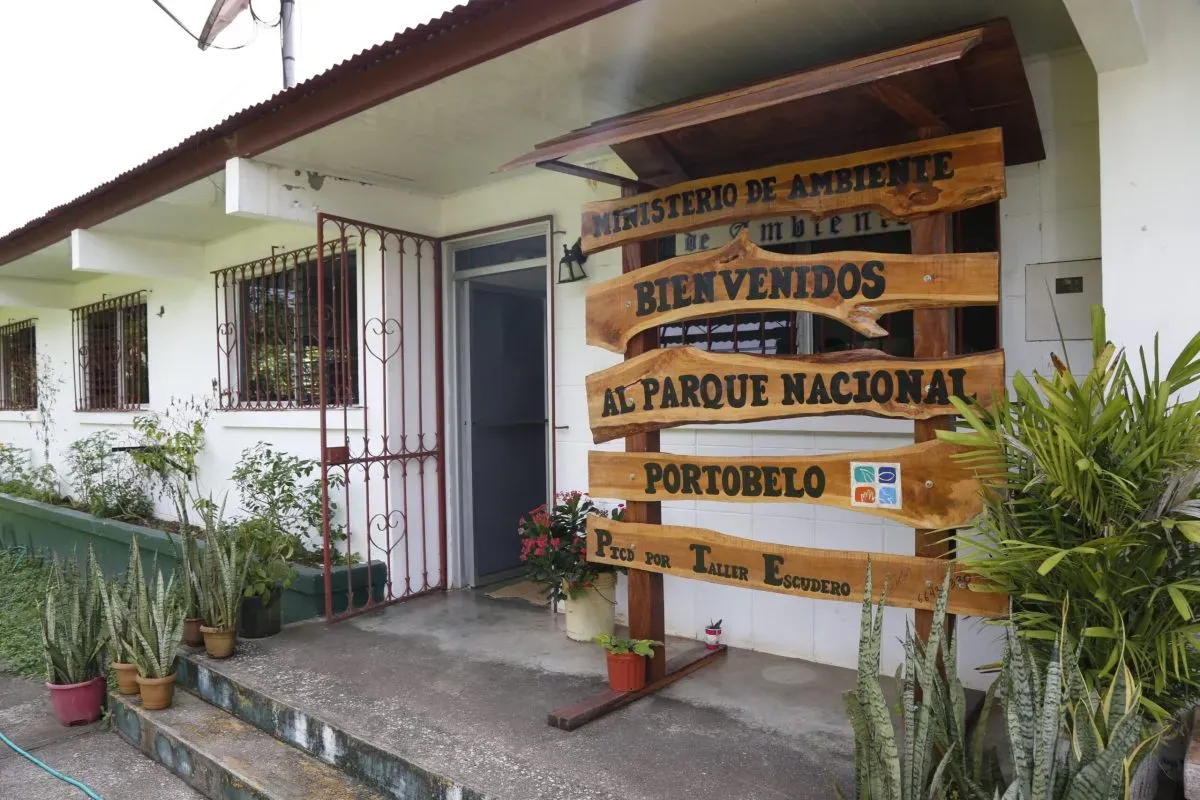
Portobelo National Park in Panama’s Colon province celebrated its 49th anniversary this week. The protected area, spanning approximately 35,900 hectares, uniquely safeguards a blend of rich historical monuments and vital neotropical ecosystems. Its management model, which combines cultural and natural preservation, remains a pioneering example in Central America.
Roughly twenty percent of the park’s territory consists of marine areas. This diverse landscape encompasses tropical forests, mangroves, coral reefs, and beaches that are fundamental to Caribbean biodiversity and local community livelihoods. The park’s core includes the famous Bay of Portobelo, historically celebrated as one of the Caribbean’s most beautiful and strategic ports.
A UNESCO-Protected Historical Heart
The colonial town of Portobelo and its system of fortifications sit within the park’s boundaries. These structures include the forts of San Fernando, Santiago, and San Jeronimo. UNESCO designated the Portobelo-San Lorenzo fortifications as a UNESCO World Heritage Site in 1980. The site was recognized for its outstanding role in Spanish colonial trade and its strategic defense against pirate attacks during the 17th and 18th centuries.
“This anniversary reminds us of our duty to protect a site where history and nature are inseparable,” said a spokesperson for Panama’s Ministry of Environment (MiAmbiente). [Translated from Spanish] “The law that created this park was visionary, establishing a holistic conservation framework that other nations have studied.”
The park was formally created by Law 91 on December 22, 1976. That legislation established a regime for Historic Monumental Complexes. It integrated cultural heritage and natural ecosystems under a single protective scheme, an innovative approach for Panama at the time.
An Ecological Corridor in the Neotropics
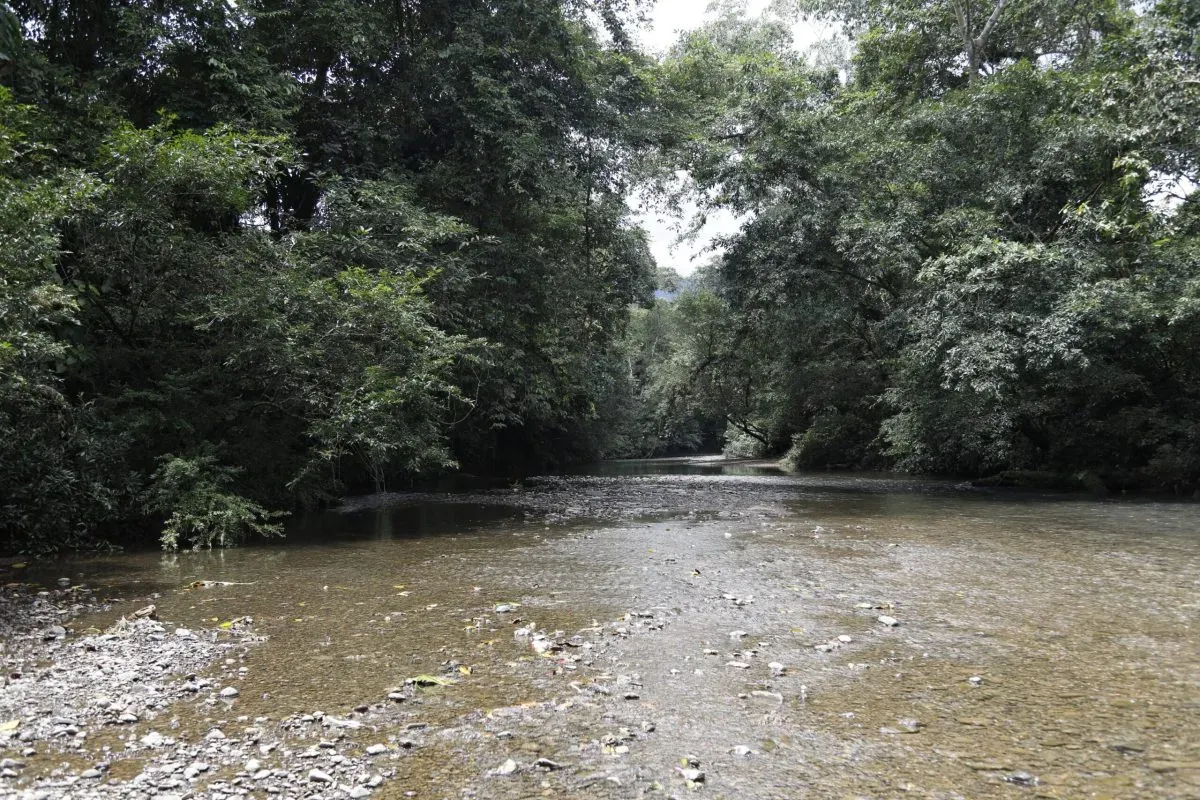
From an ecological standpoint, the park forms part of the neotropical realm. It occupies a key position on the Central American isthmus. This location allows it to function as a natural corridor between North and South America, facilitating species migration and biological adaptation. The area acts as a transition zone for countless species of fauna and flora, reinforcing Panama’s role as a bridge between continents.
Environmental officials marked the anniversary by urging increased public stewardship. They called on citizens and visitors to respect environmental regulations, promote responsible tourism, and help preserve the dual legacy that makes Portobelo a Panamanian Caribbean symbol. The management of any parque nacional requires balancing protection with sustainable access, a challenge acutely felt in a place with such prominent historical attractions.
Conservation efforts here are part of a broader national commitment. The park’s success is intertwined with effective governance and resource allocation at the local level. Recent scrutiny over fund management in the region, including a nacional portobelo financial investigation, highlights the complex administrative landscape surrounding protected areas.
Looking ahead, park managers face ongoing challenges like climate change impacts on coastal areas and balancing tourism pressure with preservation. The next year will be a crucial run-up to the park’s 50th anniversary, likely prompting evaluations of its long-term conservation strategy. Its continued health stands as a testament to Panama’s early and enduring effort to protect its intertwined natural and cultural treasures.