


Panama’s Ministry of Health confirmed 1,232 total cases of dengue fever for the year as of late February. The epidemiological report, covering week eight of 2026, also documented four fatalities linked to the mosquito-borne illness.
The national case count includes 1,081 patients without warning signs, 146 with warning signs, and five severe cases. Health officials noted that 149 individuals have required hospitalization since the start of the year. The data underscores an ongoing public health challenge as the country enters a period of heightened transmission risk.
Lydia Lozano, the head of the Epidemiology Department at the Ministry of Health (Panama), emphasized the seriousness of the situation. She urged communities to participate actively in prevention efforts.
“We are in a critical period for vector control. Community collaboration is not just helpful, it is essential to break the transmission cycle of this disease,” Lozano stated. [Translated from Spanish]
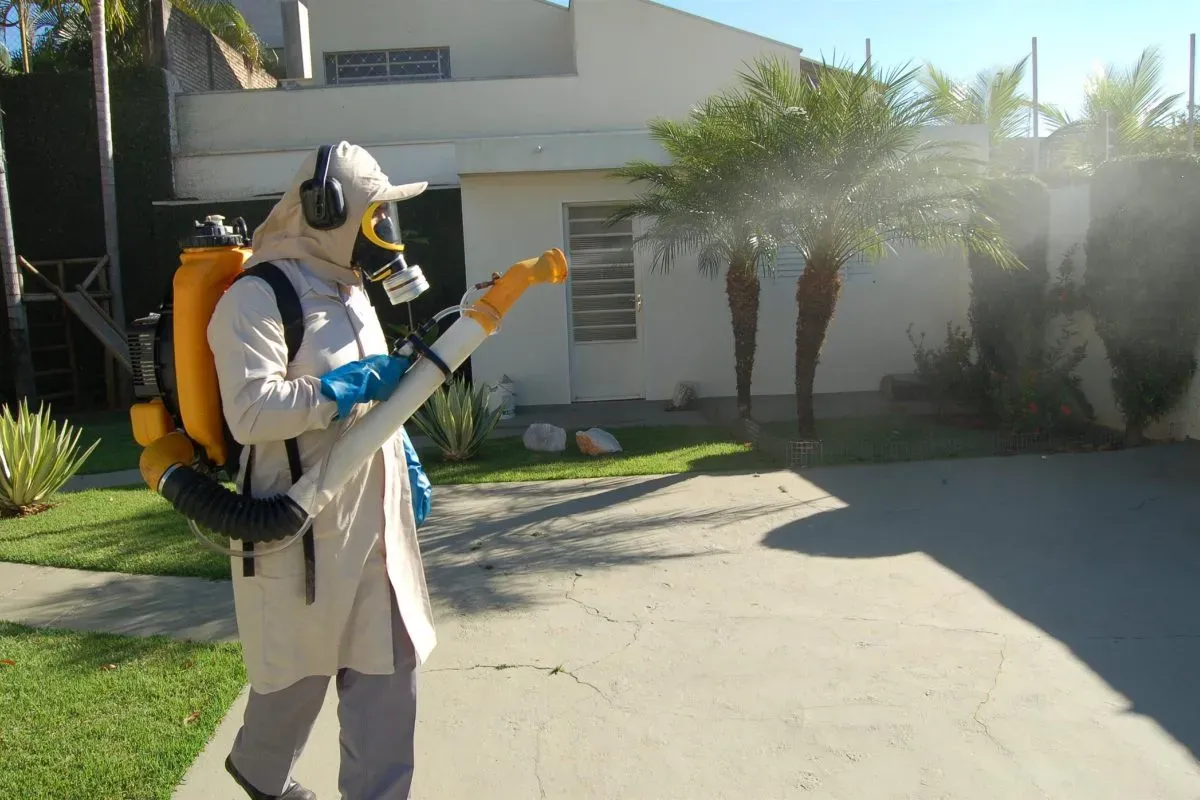
The ministry has maintained nationwide vector control operations in response. These include fumigation campaigns and public education initiatives focused on eliminating mosquito breeding sites near homes.
Regional Outbreak Details and Demographics
Geographically, the outbreak has affected nearly every region. The Metropolitan Health Region leads with 337 cases, followed by Colon with 140 and Bocas del Toro with 124. Three of the four reported deaths occurred in Bocas del Toro province, with the fourth in Coclé.
At the local level, the Tocumen district recorded the highest number of infections at 67. The age group most impacted is children and adolescents between 10 and 14 years old. This demographic shows an incidence rate of 32.4 cases per 100,000 inhabitants, above the national rate of 26.1 per 100,000.
The concentration of cases in specific areas guides the ministry’s targeted response. Teams are focusing resources on neighborhoods and districts with the highest infection rates.
Public Health Recommendations and Symptoms
Health authorities reiterated standard prevention advice. They ask residents to discard unused items like bottles, cans, and tires where water can collect. Keeping water storage containers tightly sealed and maintaining clean yards are also crucial steps.
Dengue is a viral infection transmitted primarily by the Aedes aegypti mosquito. Common symptoms include high fever, severe headache, pain behind the eyes, and muscle and joint pain.
A key public message warns against self-medication. Officials insist that anyone experiencing symptoms, especially signs of severe dengue like persistent vomiting or abdominal pain, should seek immediate medical attention instead of treating themselves at home. Early professional care can prevent the progression to severe, life-threatening illness.
The ministry continues to monitor the situation closely. Updated epidemiological reports are released weekly to inform both the public and healthcare providers.