


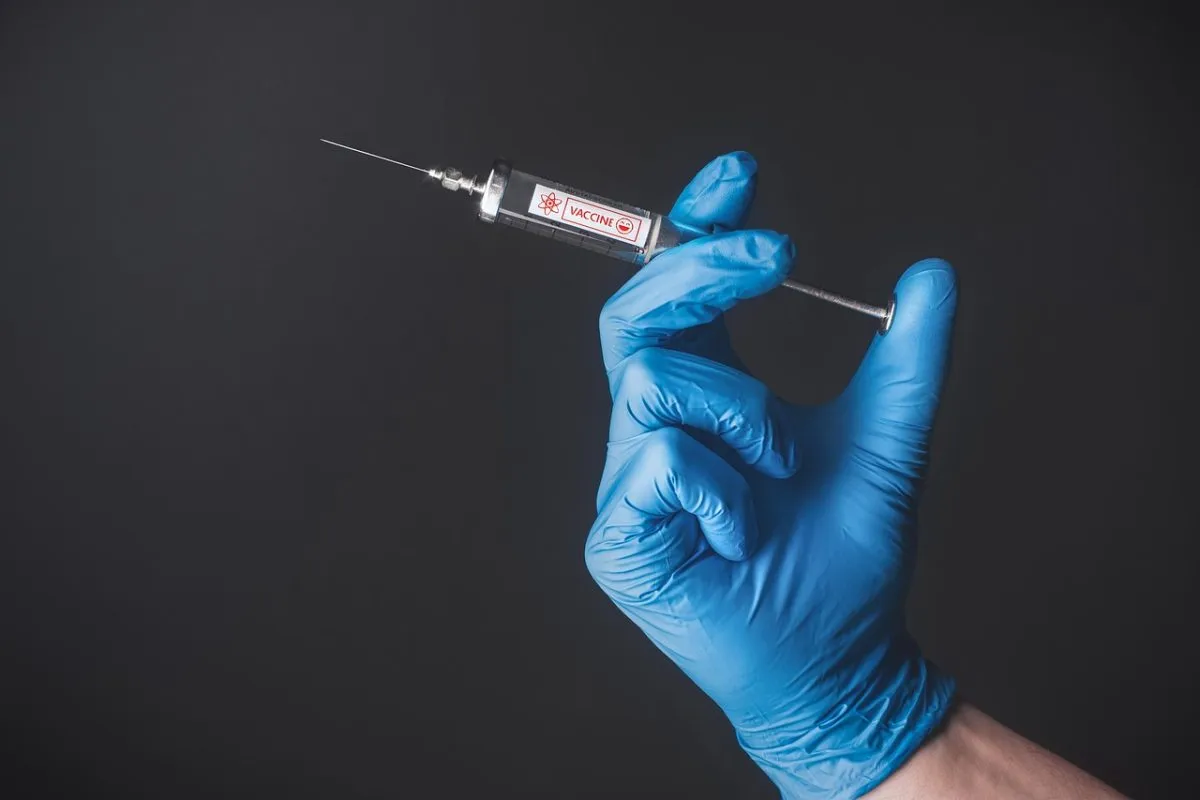
Public health specialists in Panama are raising urgent concerns following a major policy shift in the United States. The US decision to remove mandatory requirements for several key vaccines has prompted warnings about potential risks to regional health security. Panamanian authorities are now calling for sustained high immunization coverage to prevent dangerous outbreaks.
The new US regulations, confirmed earlier this month, eliminate mandates for vaccines against influenza, COVID-19, rotavirus, hepatitis A and B, and meningococcal meningitis. These immunizations will remain available but only through a “shared clinical decision-making” process between doctors and parents. This move away from compulsory schedules worries experts who track disease prevention across the Americas.
“Vaccination is not just a personal decision. It is an act of responsibility that protects our children, grandparents, and neighbors,” stated Panama’s National Poliovirus Certification Commission. [Translated from Spanish]
The commission, which includes doctors Kathia Luciani, Ilenia Forero, Arlene Calvo, Claude Betts, and José Jimeno, issued its warning this week. They highlighted immediate local threats to underscore their point. Panama is currently managing a pertussis (whooping cough) outbreak primarily affecting unvaccinated children. Fourteen cases have been recorded so far this year, including one death.
Regional Outbreaks Highlight Ongoing Threat
Simultaneously, the United States is grappling with a significant measles outbreak, with over 1,100 cases reported by February. These concurrent epidemics demonstrate the persistent threat of vaccine-preventable diseases. Health officials fear policy changes in a major country could influence public perception and compliance elsewhere, weakening herd immunity.
The Panamanian commission identified specific districts with low vaccination coverage. They made an urgent public appeal for families to visit health centers and complete their immunization schedules. Their message stresses community protection. Vaccines safeguard not only the recipients but also vulnerable individuals who cannot receive them due to age or underlying health conditions.
“We have districts with low coverage. We urgently call on the population to go to health posts and complete their vaccines,” the commission warned. [Translated from Spanish]
High vaccination rates create a firewall against outbreaks, epidemics, and preventable hospitalizations. The experts emphasized that vaccines are safe and developed on solid scientific foundations. Maintaining immunization, they argued, is a direct way to protect the entire community.
A Legacy of Lives Saved and Protected
The public health value of vaccines is backed by decades of evidence. Over the last fifty years, global immunization programs have saved an estimated 154 million lives, mostly children under five. This achievement also translates into massive savings for healthcare systems by avoiding costly treatments and long-term complications from diseases.
Panama’s National Poliovirus Certification Commission operates as an independent body within the country. It is endorsed by the Pan American Health Organization and the World Health Organization. Its core mission is verifying the absence of wild poliovirus circulation, a status Panama proudly maintains. The commission now urges parents, caregivers, and health personnel to keep vaccination a top priority.
They specifically warn against complacency toward serious, life-threatening illnesses that are entirely preventable. The experts concluded that collective vigilance is the only reliable defense for society’s most vulnerable members. The policy changes abroad, they insist, make domestic commitment to immunization programs more critical than ever.