


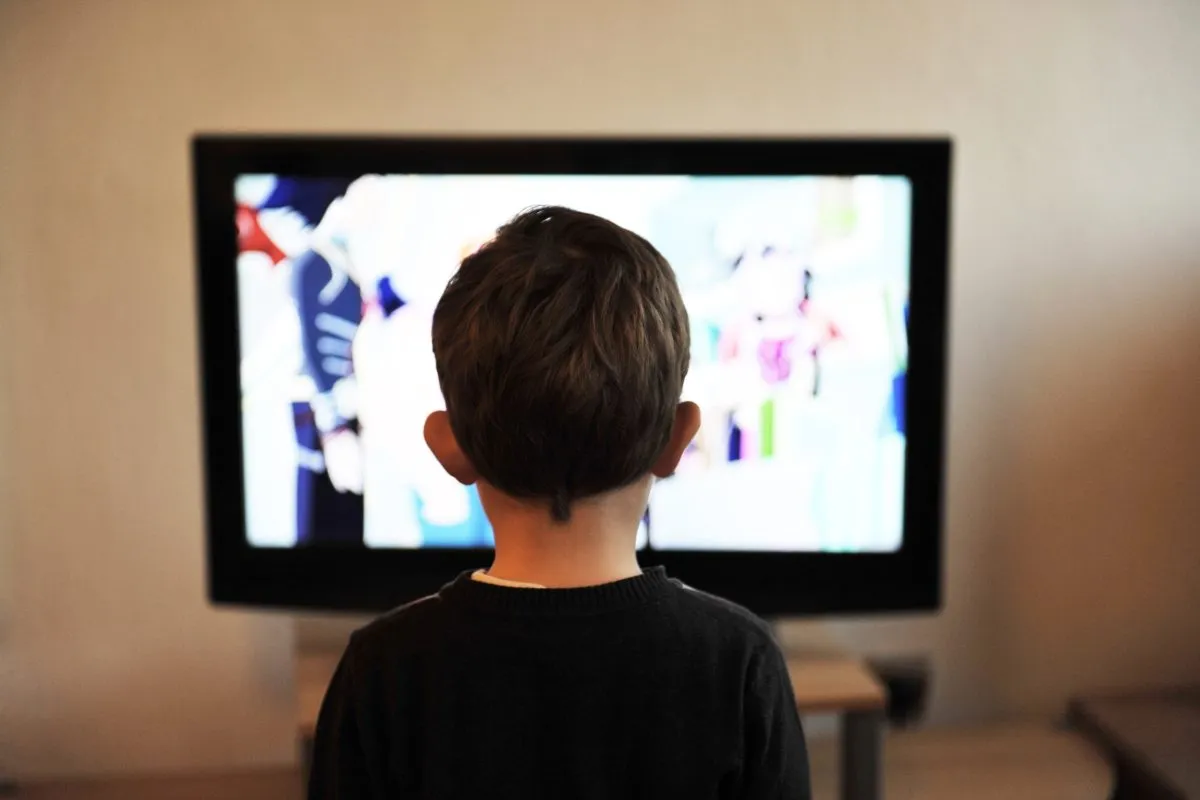
Panama’s Ministry of Health is raising alarms over a new trend it calls “digital obesity,” linking excessive screen time directly to rising childhood obesity rates. Officials stated this week that the overuse of phones, tablets, computers, and televisions is creating a significant public health challenge for the nation’s youth.
The ministry’s specialists explained that more than two hours of daily screen exposure promotes a sedentary lifestyle, reduces physical activity, and encourages excessive eating, often driven by distraction or emotion. These combined behaviors dramatically increase a child’s risk for obesity, sleep disorders, and early-onset metabolic diseases.
Experts Detail the Physical and Mental Health Risks
Aldacira de Bradshaw, a specialist with the Public Health Directorate’s Mental Health Program, argued that while technology is essential, its uncontrolled use is harming children. She warned that society has not fully considered the damage caused by fostering addictive behaviors toward digital devices from a very young age.
“Technology is increasingly accessible, but we have not reflected enough on the harm it can cause in children. From very early ages we are fostering addictive behaviors toward digital devices,” said Aldacira de Bradshaw. [Translated from Spanish]
De Bradshaw detailed the consequences. Children remain seated for long periods, which limits physical development and contributes to weight gain. This situation also impacts emotional well-being, elevating risks for anxiety, low self-esteem, and other disorders. She connected childhood obesity directly to future adult health crises.
“We are causing these children to develop obesity, which in the future can lead to hypertension, cardiovascular diseases, and diabetes,” de Bradshaw added. [Translated from Spanish]
Family physician Jorge Jesús Rodríguez, from the Health Promotion Directorate, broke down the impact into three core areas: poor nutrition, lack of physical activity, and disrupted sleep patterns. He also emphasized a profound social cost, noting that screens are eroding fundamental childhood experiences.
“Electronic devices have gradually been stealing productive time to play, study, be creative, dialogue, and converse, and that in the long run can bring health problems like obesity,” Rodríguez stated. [Translated from Spanish]
Concrete Steps for Prevention and Current Statistics
Facing this growing issue, health experts are urging parents and caregivers to enforce strict limits. They recommend a maximum of two hours of screen time daily for school-aged children. Promoting physical activities, balanced nutrition, outdoor play, healthy sleep habits, and strong family communication are listed as key preventive measures.
The ministry’s own data underscores the urgency of its warning. In Panama, 72% of adults are overweight, with 35.3% classified as obese. Among minors, 28% are overweight and 10% already have obesity, a condition the World Health Organization identifies as a major global health threat linked to metabolic syndrome.
Officials stressed that childhood obesity is notoriously difficult to reverse, making early prevention critical for avoiding lifelong complications and improving quality of life. The “digital obesity” concept itself is designed to jolt the population into taking timely action before effects become irreversible. This public health campaign aligns with broader governmental efforts to address national challenges, mirroring the direct approach seen in other sectors regarding this situation.