


Panama’s Ministry of Health confirmed 1,093 new cases of dengue fever during the seventh epidemiological week of 2026. The data, collected from February 15 to 21, signals a significant public health challenge as the nation enters a period of heightened viral transmission.
The Ministry’s Department of Epidemiology released the national statistics. Officials documented 965 cases without warning signs, 124 cases with warning signs, and four severe cases. Three cumulative deaths have been recorded so far this year with 127 patients currently hospitalized.
Metropolitan Region Tops Infection List
Geographic distribution shows the Metropolitan Health Region as the current epicenter with 291 infections. It is followed by the regions of Colon with 123 cases, San Miguelito with 115, Bocas del Toro with 112, and West Panama with 106. Specific neighborhoods like 24 de Diciembre, Tocumen, and Las Garzas reported the highest local caseloads, ranging from 44 to 54 confirmed patients.
The national incidence rate now stands at 23.2 cases per 100,000 inhabitants. Young adults aged 25 to 49 constitute the largest infected group, accounting for 36 percent of all cases. Analysis of epidemiology data indicates the highest relative risk is among adolescents aged 15 to 19, who have an incidence rate of 28.8 per 100,000.
“Community participation is decisive in eliminating mosquito breeding sites,” stated a Ministry of Health official. [Translated from Spanish] The official urged residents to remove water-holding containers, cover essential water storage, and maintain clean surroundings to disrupt the mosquito life cycle.
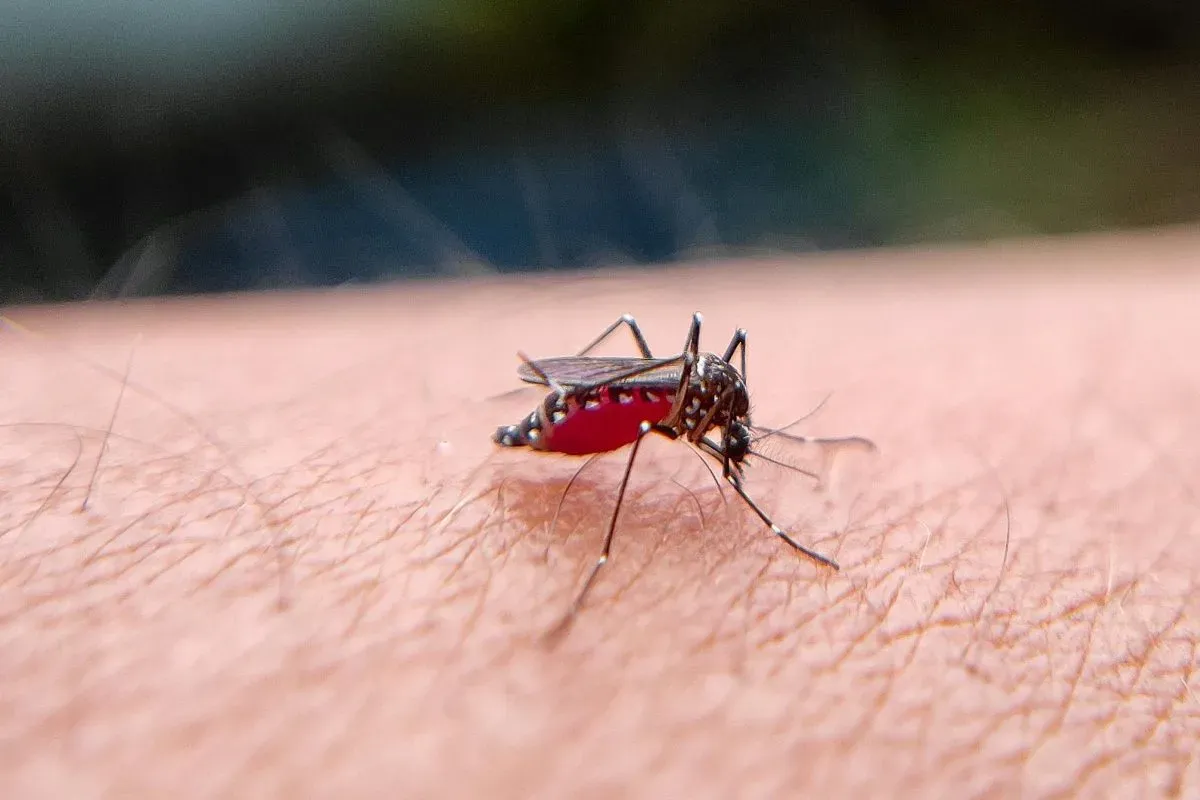
Health authorities are intensifying fumigation and surveillance campaigns in high-incidence areas. Their immediate focus is controlling the Aedes aegypti mosquito population, the primary vector for the virus. Public clinics are preparing for potential increases in patient visits and prioritizing early detection.
Symptoms of the disease include high fever, severe headache, general malaise, and muscle and eye pain. The Ministry explicitly warns against self-medication, particularly with non-steroidal anti-inflammatory drugs like ibuprofen, which can exacerbate bleeding risks associated with dengue fever. Citizens experiencing any warning signs, such as persistent vomiting, severe abdominal pain, or bleeding, are instructed to seek immediate medical attention.
Panama’s health system continues to monitor trends closely. The upcoming weeks are considered critical for determining whether current containment measures will successfully curb the outbreak’s trajectory.