


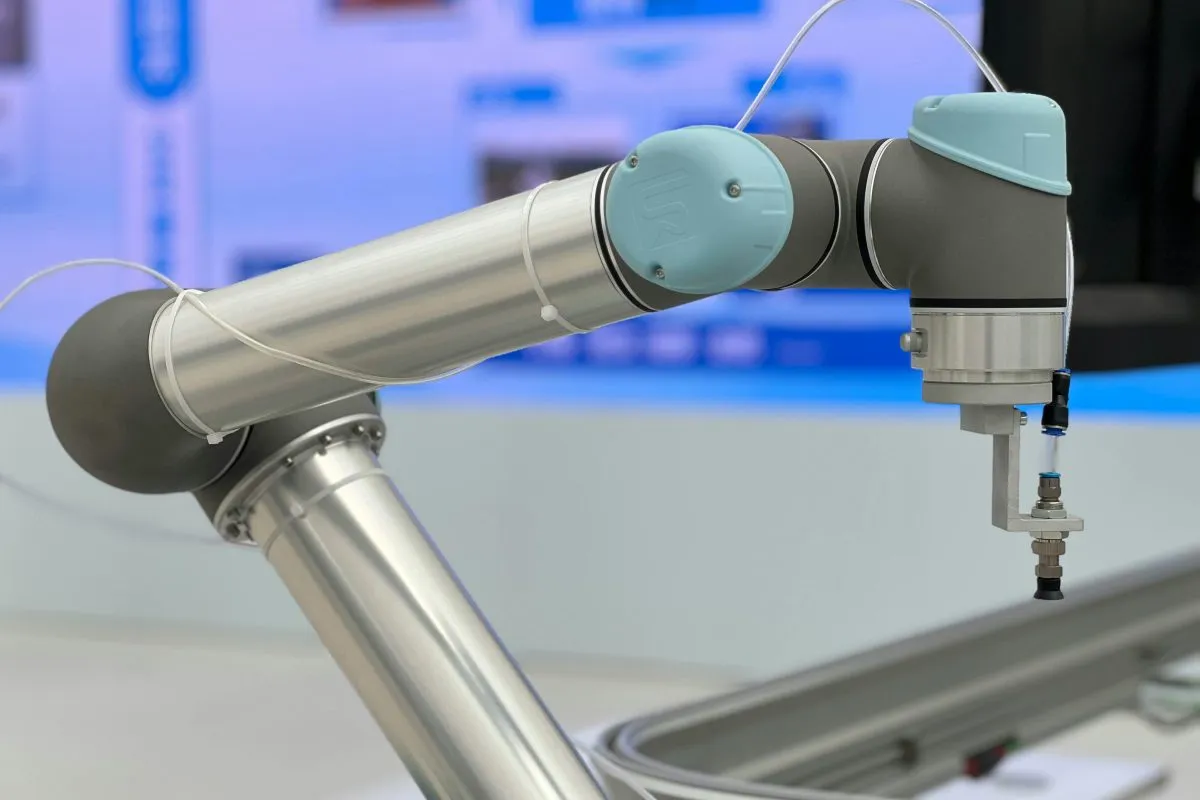
The Caja de Seguro Social (CSS) has activated new robotic pharmacy systems designed to speed up medicine dispensing and cut down on human error. Panama’s public health authority deployed the automated technology at three major facilities to improve service for its insured population.
These systems use advanced barcode technology to store critical data for every product. Essential information like the generic name, lot number, and expiration date is logged through a touchscreen integrated into the unit. Officials say the technology strengthens safety protocols while optimizing inventory control.
“This automation allows staff to dedicate more time to direct patient care, reducing wait times and avoiding long lines,” said Dr. Vicente Chiu, the CSS National Deputy Director of Technology and Security. [Translated from Spanish]
The robotic units are now operational in Penonomé, San Antonio, and at the flagship Ciudad de la Salud complex. Each location’s system is tailored to handle different volumes, directly impacting how quickly patients receive their prescriptions.
Capacity and Operational Impact
Storage and dispensing capacities vary by site. The Penonomé unit can store between 10,500 and 11,000 standard medicine boxes. That number jumps to roughly 12,500 when managing smaller packages.
In San Antonio, the system handles approximately 25,000 small boxes. The most powerful unit at Ciudad de la Salud holds over 25,000 packages. It can load and dispense an impressive 450 items per hour.
Beyond patient benefits, the CSS expects significant internal gains. The robotic pharmacy system organizes, selects, and dispatches medicines with precision. This efficiency contributes to lower operational expenses for the public entity, a key consideration for the national seguro social system.
Dr. Chiu emphasized the dual advantage of the rollout. It not only guarantees faster and more timely care for beneficiaries but also reallocates valuable human resources. Pharmacists and technicians can now focus on consultation and verification tasks rather than manual retrieval.
The CSS plans to monitor the performance of these initial installations closely. Success could lead to a broader expansion of automated pharmacy technology across its national network of hospitals and clinics.