


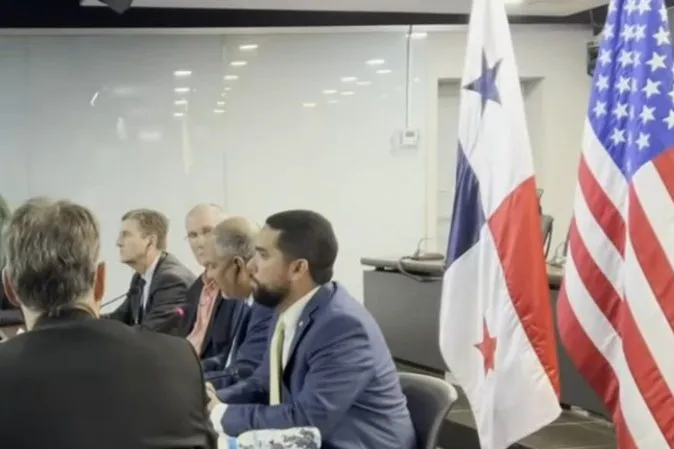
American congressmen met with Panamanian deputies at the National Assembly on January 16 to analyze legislative initiatives benefiting both nations. The meeting aimed to strengthen bilateral ties and explore legal harmonization to spur economic growth, according to Assembly President Jorge Herrera.
The delegation included approximately 14 members of the United States Congress. Herrera stated the talks focused on creating a framework for increased investment and job creation through coordinated policy. This diplomatic engagement is part of a broader effort to deepen the longstanding partnership between the two countries.
Planning a Reciprocal Legislative Visit
Herrera revealed plans for a reciprocal visit from the U.S. House Speaker to Panama’s legislative body. The goal is a direct dialogue between the heads of both parliamentary institutions. This proposed visit would seek to identify specific areas where legal alignment could provide mutual economic benefits.
“Soon we will promote the initiative for the President of the United States Congress to visit the National Assembly, with the goal of seeking a harmony of laws that benefit both countries, evaluating the positive aspects that could translate into investment, economic growth, and job generation,” Herrera said. [Translated from Spanish]
The jorge herrera led the Panamanian side during the discussions. He has previously emphasized the role of the National Assembly of Panama in fostering international cooperation.
Announcement Made at Cultural Celebration
Herrera shared details of the meeting while attending the Mil Polleras parade in Las Tablas, Los Santos. The event celebrates Panama’s traditional dress. Several deputies accompanied him, including Veraguas representative Janine Prado.
The setting underscored a blend of cultural diplomacy and formal political dialogue. Officials often use national festivals to communicate with the public on substantive policy matters. This approach connects government activity with the country’s cultural identity.
Analysts view these legislative exchanges as crucial for modernizing the bilateral relationship beyond historical treaties. The focus has shifted toward contemporary issues like trade facilitation, security cooperation, and sustainable development. Panama’s asamblea nacional is actively seeking to position the country as a reliable partner for foreign investment.
Next steps involve formalizing the agenda for the anticipated high-level visit from U.S. congressional leadership. Both sides are expected to prepare discussion points on specific sectors, potentially including logistics, energy, and technology. The outcome could influence legislative calendars in both capitals later this year.