


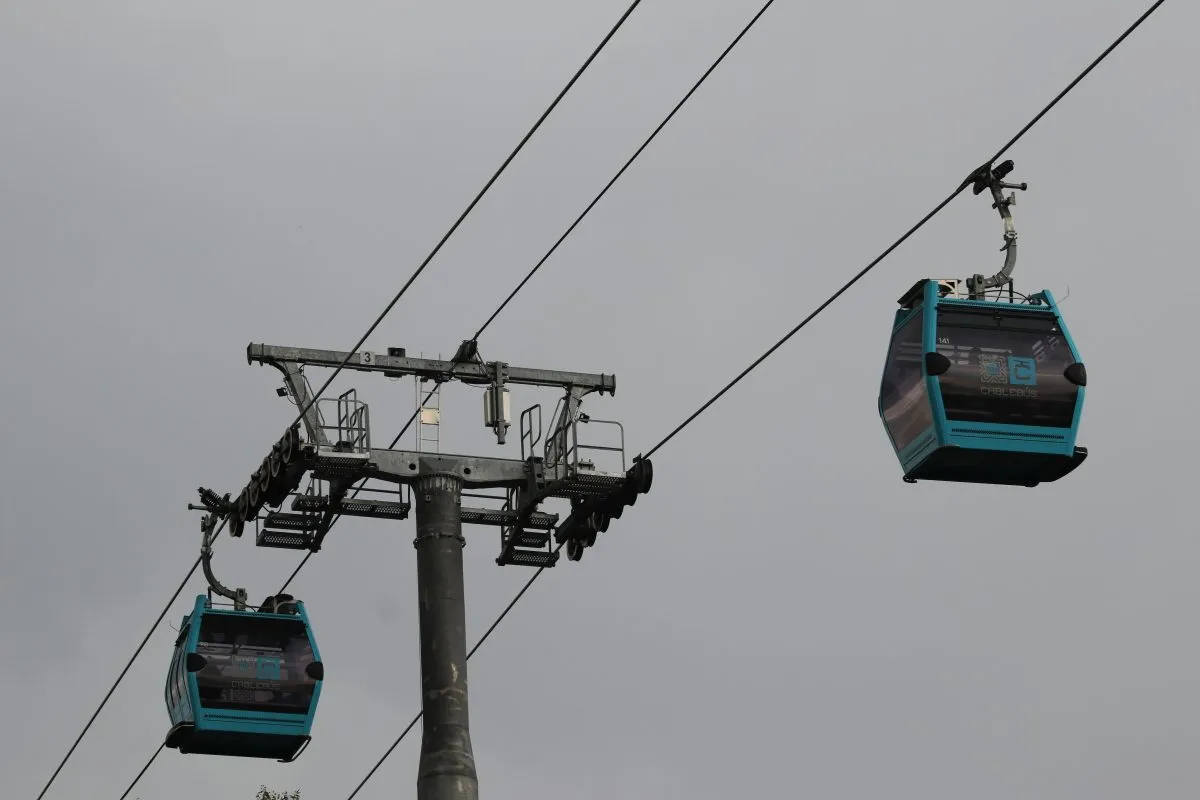
Panama’s Ministry of Public Works moved forward with a major urban mobility project this week, hosting a public environmental forum for the proposed San Miguelito Urban Gondola Cable Car. The event, held at the Cristo Redentor Church in the San Miguelito District, presented detailed plans to nearly 200 local residents. This forum represents a critical step following President José Raúl Mulino’s July 2024 announcement committing to build the aerial cable car system.
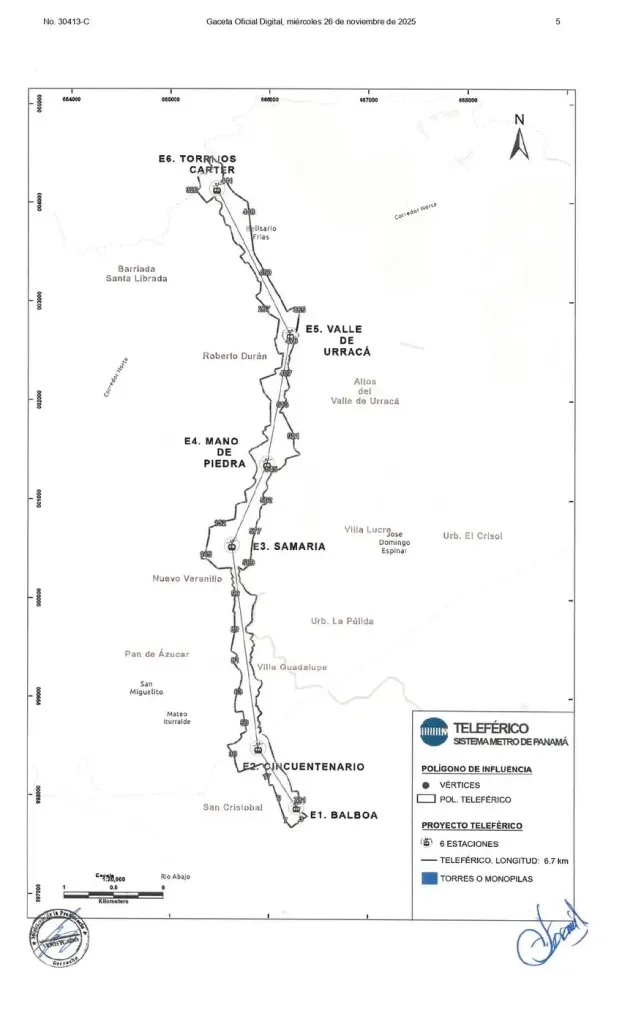
The gondola is designed as a key component of the district’s urban mobility strategy. Its primary goal is connecting hard-to-reach hillside communities to the metropolitan transit network. Project blueprints outline a 6.6-kilometer route featuring six stations, with a direct integration point to the Panama Metro Line 2.
“This project is about inclusion and solving a real mobility problem for thousands of citizens,” a ministry official stated during the presentation. [Translated from Spanish]
Officials addressed community questions about the project’s scope and potential effects. The recently completed Environmental impact assessment, which cost $133,000, formed the basis of the discussion. Project documents indicate a planned 20-year concession for the system’s operation.
Project Details and Community Response
Technical specifications shared at the forum reveal a system capable of moving 2,800 passengers per hour. Each gondola cabin will carry up to ten people. The proposed route and its area of influence, including necessary right-of-way easements, were displayed on detailed maps for public review.
Resident reactions during the question-and-answer session were mixed. Many attendees expressed strong support, highlighting the promise of new jobs and long-awaited economic development for their neighborhoods. They see the gondola as a transformative investment in local infrastructure.
Other community members voiced clear concerns. Affordability emerged as a primary worry, with several people questioning whether the future fare would be accessible for daily commuters. Specific questions about construction timelines, visual impact, and noise during the building phase were also raised by homeowners living near the proposed alignment.
The government’s presentation aimed to preemptively address these issues. Project advocates stressed that the gondola will provide a reliable, weather-proof alternative to crowded buses and informal vans on steep, congested roads. They argued it represents a sustainable transit solution tailored to the district’s challenging topography.
Next Steps in the Approval Process
With the public forum concluded, the project enters a decisive phase. The Ministry of Public Works will accept formal proposals from two pre-qualified bidders on March 10. This tender process will determine the contractor responsible for final design, construction, and long-term operation.
Final government approval remains contingent on two factors. Authorities must successfully complete the tender and award a contract. They must also secure a positive resolution from the National Environmental Authority based on the impact study and public feedback. Only after clearing these hurdles can construction officially begin.
If approved, the San Miguelito Urban Gondola would become the first integrated aerial cable car system for mass transit in Panama. It stands to alter daily commutes for a significant portion of the district’s population. Project timelines suggest a multi-year construction period before the first cabins begin transporting passengers above the bustling streets.