


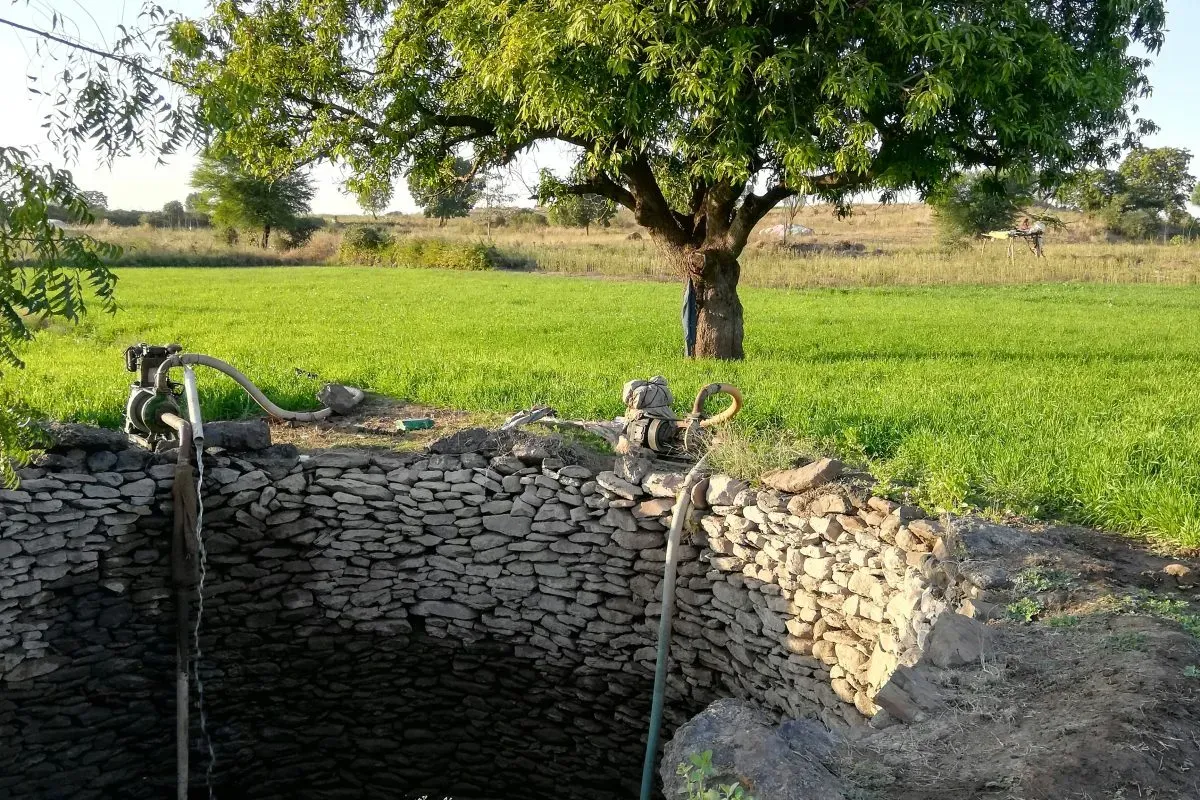
The Panamanian government has begun executing a national plan to guarantee drinking water supply in the Azuero region. This urgent action addresses a severe contamination crisis affecting the area’s primary rivers for nearly ten months. Officials from the presidency and sustainable development council confirmed the deployment of specialized equipment to the region this week.
The immediate strategy involves activating over thirty new wells to reinforce the water supply system. This stopgap measure will operate alongside ongoing modernization projects at two key water treatment plants. Authorities describe the situation as a critical priority requiring both short-term relief and long-term infrastructure solutions.
Minister of the Presidency Juan Carlos Orillac and Executive Secretary of the National Council for Sustainable Development Antonio Tercero González outlined the plan’s first phase. They emphasized the government’s commitment to resolving the protracted crisis impacting thousands of residents.
“All necessary equipment has arrived in the region to enable more than thirty wells as an immediate measure to reinforce water supply,” said Orillac. [Translated from Spanish]
Crews are now working to bring these wells online as quickly as possible. Simultaneously, technical teams are conducting pipe disinfection operations across distribution systems in Herrera and Los Santos provinces. These parallel actions aim to restore water quality from source to tap.
Root of the Azuero Water Crisis
This crisis stems from the contamination of the La Villa and Estivaná rivers. These waterways serve as the principal sources for drinking water capture in the Azuero Peninsula. The pollution has crippled the area’s supply for approximately ten months, creating persistent shortages.
The regional water utility, the National Water Supply and Sewerage Institute (IDAAN), has struggled to maintain consistent service. Residents have endured erratic access to agua potable/ drinking water, leading to protests and escalating public health concerns. The new national plan represents a direct intervention from the central government.
While the well-drilling project addresses immediate volume needs, officials stress it is a temporary solution. The core of the long-term strategy focuses on the Rufina Alfaro and Roberto Reyna water treatment plants. Modernizing these facilities is essential for sustainable water purification.
“This action is part of short-term measures while modernization work continues at the treatment plants,” explained Antonio Tercero González. [Translated from Spanish]
Officials did not provide a specific completion timeline for the plant upgrades. They acknowledged the complexity of the engineering projects required. The well initiative is designed to bridge the gap until those permanent systems are fully operational.
Coordinated Response and Future Steps
Field operations now involve coordinated teams from multiple government agencies. Their mandate includes not only infrastructure work but also ongoing water quality monitoring. Regular testing will determine when river-sourced water can safely re-enter the distribution network.
Public communication has become a key component of the response. Authorities promise continued updates as the plan progresses. They have asked for community patience while crews work across the affected provinces.
The success of this national plan hinges on the simultaneous advancement of both emergency and structural projects. Drilling crews must locate viable aquifers quickly. Engineers must accelerate the treatment plant retrofits without compromising safety standards.
For residents, the measure of success is simple: the reliable return of clean water to their homes. The government’s pledge is to achieve that goal as swiftly as possible. Officials reiterated their commitment to a secure water supply for every community in the region, a basic service that has been missing for far too long.