


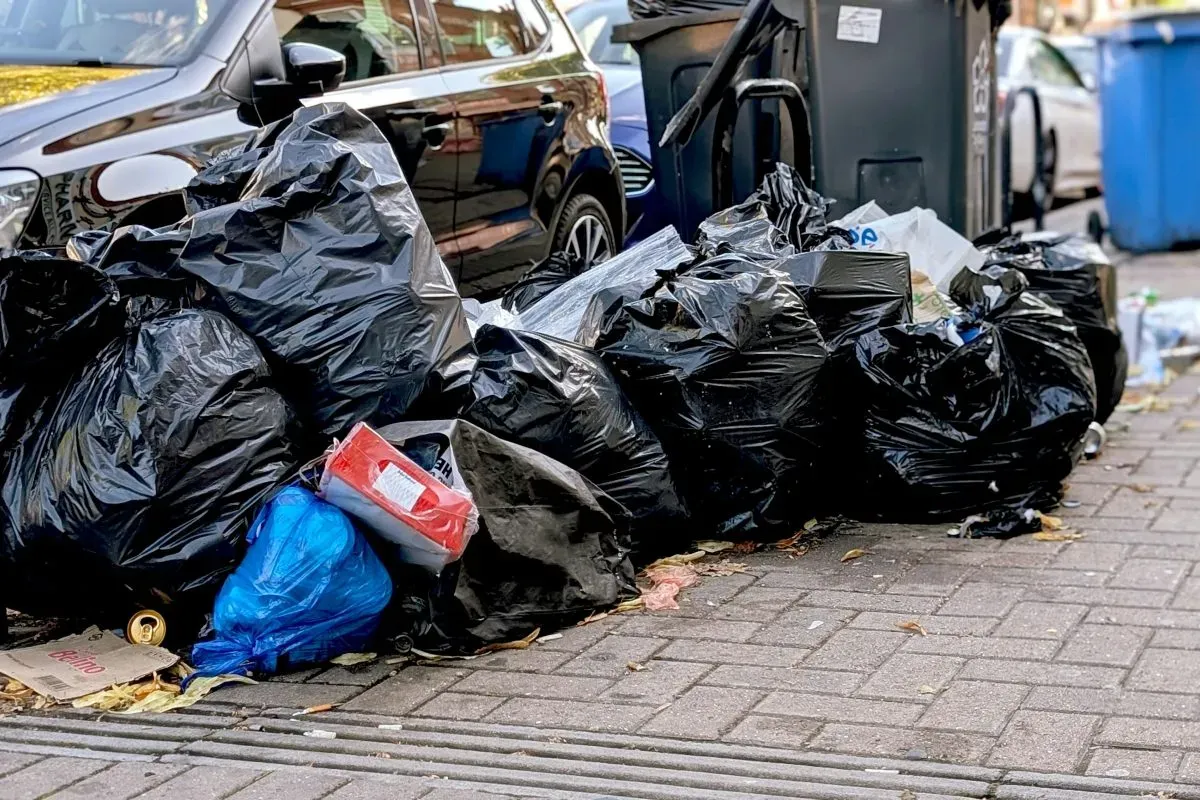
The municipality of San Miguelito, Panama, has postponed for a third time the bidding process for its comprehensive urban solid waste management contract. Mayor Irma Hernández confirmed the new submission date is now February 18, 2026, pushing back a process originally set for December 19 of this year. The decision, made during a Municipal Council session, aims to attract more bidders to the $315.2 million public service concession.
This critical public tender covers the district’s entire waste stream. It includes collection, transport, street sweeping, treatment, and final disposal. Officials stated the delay followed adjustments to the bid requirements to better match the district’s operational reality and market conditions.
Municipal Leadership Cites Need for Broader Participation
Mayor Irma Hernández addressed councilors directly to explain the rationale. She argued the extensions and modifications were necessary to foster greater competition and ensure a successful long-term contract. Some technological requirements within the bid documents were reportedly scaled back after being deemed unattainable for many potential companies.
“We have introduced adjustments so that the bid better adapts to the reality of the district’s model and its needs, but also to the reality of the market,” Hernández told the council. [Translated from Spanish]
The announcement drew immediate questions from councilors. Councilwoman Sheyla Grajales pressed the mayor on why the formal extension notice had not yet been published as an addendum on the government’s Panama Compra procurement portal. Grajales expressed disappointment, noting the urgency previously communicated by the administration to finalize a new contract.
Transition Plan Activated as Current Contract Nears End
With the current concession held by Recicladora Vida y Salud, S.A. (Revisalud) set to expire on January 19, 2026, the municipality must now execute an interim transition plan. Hernández assured the council that preparations for this handover are underway. She emphasized the complexity of overhauling a fundamental municipal service, describing the bidding process as a living document subject to normal revisions.
“This process is alive, these changes are normal,” Hernández stated during the session. [Translated from Spanish] She added that ensuring transparency remained a paramount concern throughout the extended timeline. [Translated from Spanish]
The mayor explained the delay in the portal update was procedural. She needed to inform the full Municipal Council first following consultations with the National Economic Council and interested firms. The financial pressures on Panamanian municipalities are significant, as highlighted by recent funding cuts affecting local governments. The outcome of this costly contract will be closely watched for its impact on San Miguelito’s budget.
Contract Details Outline Ambitious Service Overhaul
The revised bid documents outline a transformative vision for solid waste management in the district. Key requirements promise increased service frequency and coverage. The plan introduces user segmentation by residential, commercial, institutional, and prepaid categories. A major technological push includes mandatory georeferencing and GPS monitoring for all collection vehicles.
Recycling strategies and source separation initiatives are embedded in the contract. The proposal also mandates tailored solutions for marginalized communities. Significant investment in new vehicle fleets, transfer centers, and operational control systems is expected from the winning concessionaire.
San Miguelito’s territory will be classified into three distinct operational zones, color-coded as Green, Blue, and Orange. This zoning is based on urban characteristics, social factors, and waste generation levels. The concessionaire bears full responsibility for maintaining all vehicles and equipment. A complete fleet replacement must occur within ten years of the contract’s start date.
The contract demands a permanent cleaning program for streets, sidewalks, parks, and public spaces. A concessionaire may use rented vehicles only during the first year of operation. Starting in 2027, each zone must adhere to the established model and show progressive implementation of the required infrastructure.
An innovative feature involves the phased introduction of Mobile Clean Points. These specially equipped vehicles will collect special, hazardous, and non-hazardous waste in separate compartments. The plan calls for five new mobile units to be added each year from 2027 through 2029.