


Panama secured a seat on the Executive Board of the United Nations Children’s Fund (UNICEF). The country’s election for the 2027-2029 term was finalized during recent sessions of the United Nations Economic and Social Council. This role places Panama within a core group of 36 member states overseeing UNICEF’s global activities and strategic direction.
The Executive Board governs critical functions for the UN agency, including budget approvals and the establishment of key program policies. Panama’s membership means it will help guide UNICEF’s international work on child protection, education, health, and humanitarian response. The election underscores Panama’s growing diplomatic engagement within the UN system on multilateral issues.
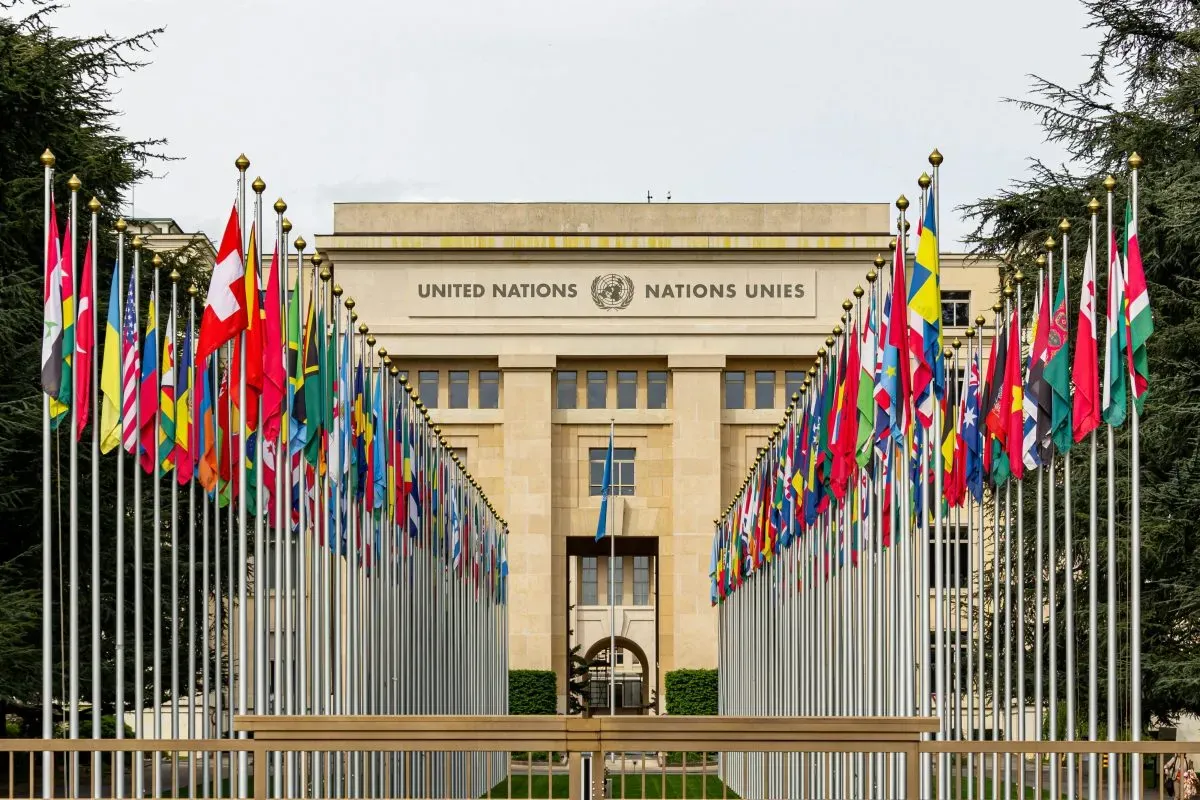
Regional Support and Diplomatic Context
Panama’s Ministry of Foreign Affairs confirmed the election followed a unanimous endorsement from the Latin American and Caribbean Group (GRULAC). The selection process operates under a rotational system for seats among member states across various UN bodies. This systematic rotation ensures equitable regional representation within the organization’s leadership structures.
“This election reflects the international community’s recognition of Panama’s commitment to multilateralism and the protection of children’s rights,” stated the Panamanian Foreign Ministry. [Translated from Spanish]
The three-year term on the Executive Board will begin in January 2027. It provides Panama a direct platform to influence global child-focused policy and funding decisions. The country currently maintains an active presence in other united nations forums, but this marks a significant step into a high-level governance role for a major UN fund.
Strategic Influence on Global Programs
Board members participate in setting the agenda for UNICEF’s work in over 190 countries and territories. They review country program proposals and make recommendations to the larger United Nations Economic and Social Council. Panama’s position will allow it to advocate for priorities relevant to Latin America and the Caribbean, including issues like migration, inequality, and climate resilience affecting children.
Analysts view the seat as a strategic diplomatic achievement. It comes as Panama seeks a more prominent voice in international governance. The role aligns with the country’s ongoing efforts to contribute to global development frameworks and sustainable development goals. Participation requires dedicated diplomatic resources and expertise in UNICEF’s complex operational landscape.
Panama will now prepare its delegation for the board duties commencing in 2027. The government indicated it would coordinate with civil society and technical experts to shape its contributions. This election to the united nations for UNICEF board solidifies Panama’s profile as an engaged actor in critical humanitarian and development institutions.