


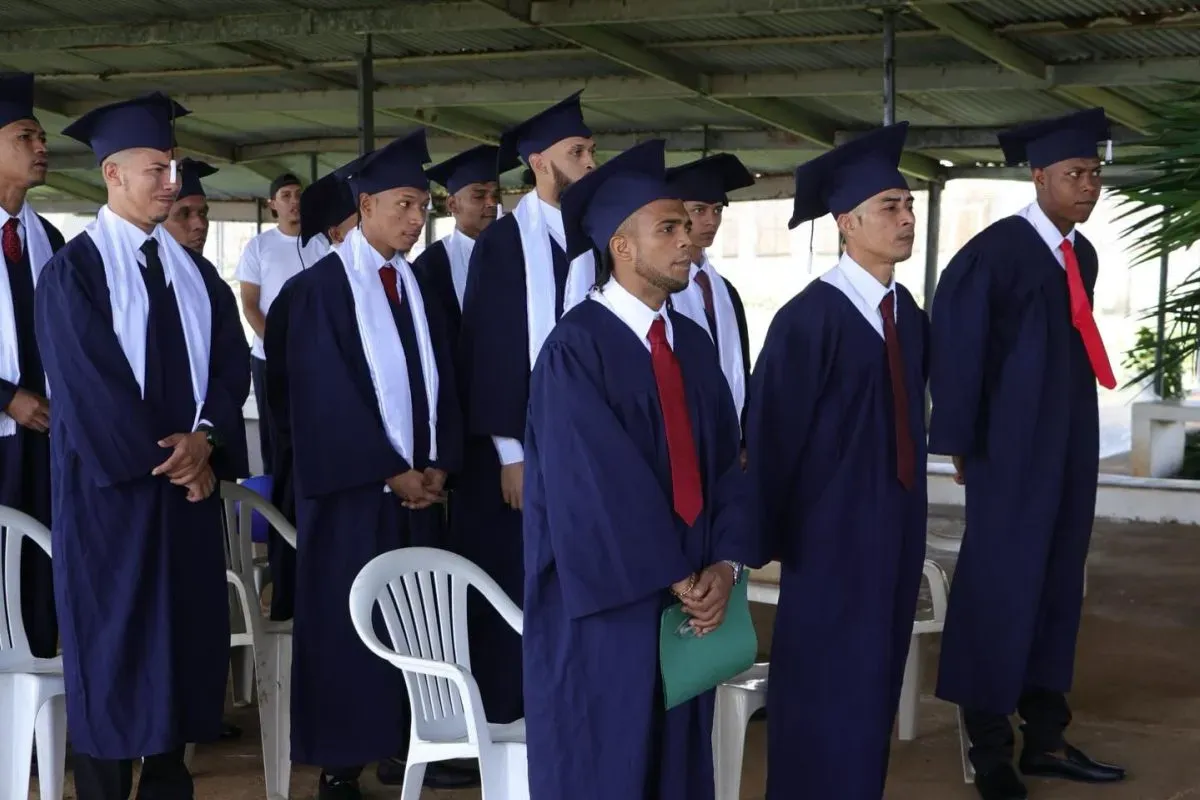
Three hundred sixty one inmates from Panama’s largest penitentiary complex have received their diplomas. They completed middle school and high school studies this month through a national education program operating inside prison walls. The graduation ceremony marks a significant step in the country’s efforts to use education for inmate rehabilitation.
The event was held for students from the La Joya, La Joyita, and Nueva Joya penitentiary centers. Officials from the Ministry of Education and the Ministry of Government jointly organized the program. It specifically offered a high school diploma in Commerce with a focus on small and medium enterprise management.
Julisa Bernal, the technical-administrative sub-director for Meduca in Panama Centro, addressed the graduating class. She emphasized the transformative power of their achievement.
This ceremony symbolizes much more than the end of an academic stage. It represents the beginning of a new life perspective, demonstrating that personal improvement is possible even in adverse contexts. [Translated from Spanish]
Bernal noted many graduates showed a strong entrepreneurial spirit. She said their success positively impacts their families, who see education as a real opportunity for change.
Breaking Down the Graduation Numbers
Official data provides a detailed look at the academic accomplishments. At the Nueva Joya facility, 101 inmates finished middle school and 95 completed their high school commerce diploma. The La Joya prison saw 15 finish premedia and 18 earn their bachillerato. Over at La Joyita, 44 concluded middle school and 48 finished their academic secondary studies.
These figures represent a considerable logistical and pedagogical effort. The program required coordination between the national Panama’s penitentiary system and the public education ministry. Its success hinges on bringing standard national curriculum inside correctional facilities.
For many inmates, this was their first chance to complete formal secondary education in Panama. The structure mirrors the external system, ensuring diplomas hold equal value.
Personal Testimonies Highlight Program Impact
The graduation event featured emotional moments from the students themselves. Abdiel Lasso, an inmate who earned the top position in the Promotion 2025 class, shared his story. He expressed profound pride in reaching a goal he once thought was out of reach.
It is never too late to fulfill a dream. Today I show my family that yes, it is possible. It was a difficult path, but not impossible. This achievement seals the beginning of a new stage. [Translated from Spanish]
His words underscored a central theme of the day: redemption and new beginnings. Educators within the prisons witness this transformation firsthand. Katia Adelina Moreno serves as director of the Fe y Esperanza Education and Training Center inside Nueva Joya.
Moreno highlighted the commitment and resilience demonstrated by the students. She said they are betting on study and work as pathways to reintegration. This academic achievement, she argued, provides them with tangible tools for a fresh start upon release.
These personal journeys are the focal point for prison administrators. They view education as a cornerstone for reducing recidivism. Formal qualifications in commerce and business management aim to open legitimate economic opportunities.
Looking Toward Reintegration and Future Steps
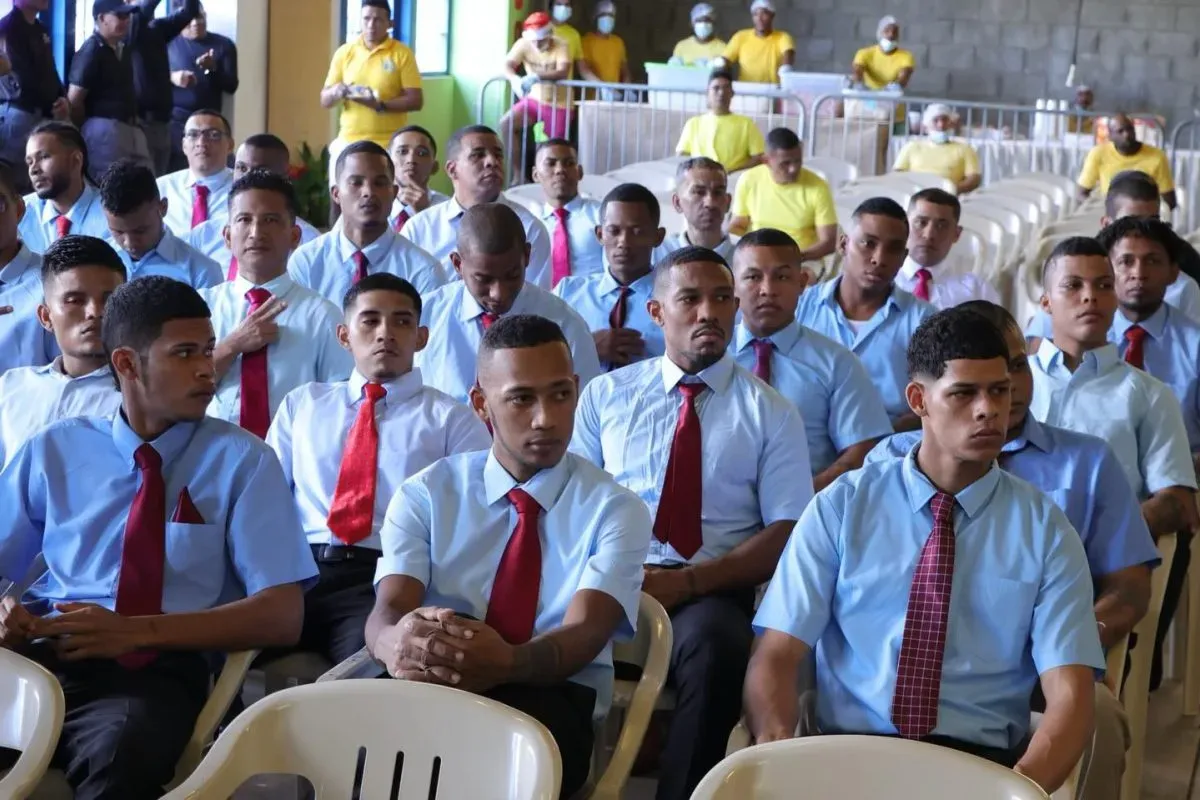
The graduation is not an endpoint but a transition. Officials now face the challenge of supporting these individuals as they complete their sentences. The goal is to connect their new skills with employment or entrepreneurial ventures after release.
This initiative aligns with broader international models focusing on rehabilitation and reintegration programs. Panama’s inter-institutional approach suggests a growing policy commitment. It moves beyond pure containment toward a more holistic view of correctional management.
Program coordinators indicate plans to continue and potentially expand the educational offerings. Success stories from this cohort could help secure further funding and institutional support. The hope is that these 361 graduates become ambassadors for change within the prison population.
Their accomplishment proves academic goals can be met even in restrictive environments. It offers a compelling narrative about second chances and the state’s role in facilitating them. For the graduates, the diploma is a document of personal triumph and a concrete plan for a different future.