


The Panama Canal Authority has established the compensation framework for families displaced by the massive Rio Indio reservoir project. Officials confirmed this week that land will be valued at market rates and homes will be appraised as if newly built, without depreciation deductions. The formal valuation process is scheduled to begin in the first quarter of this year.
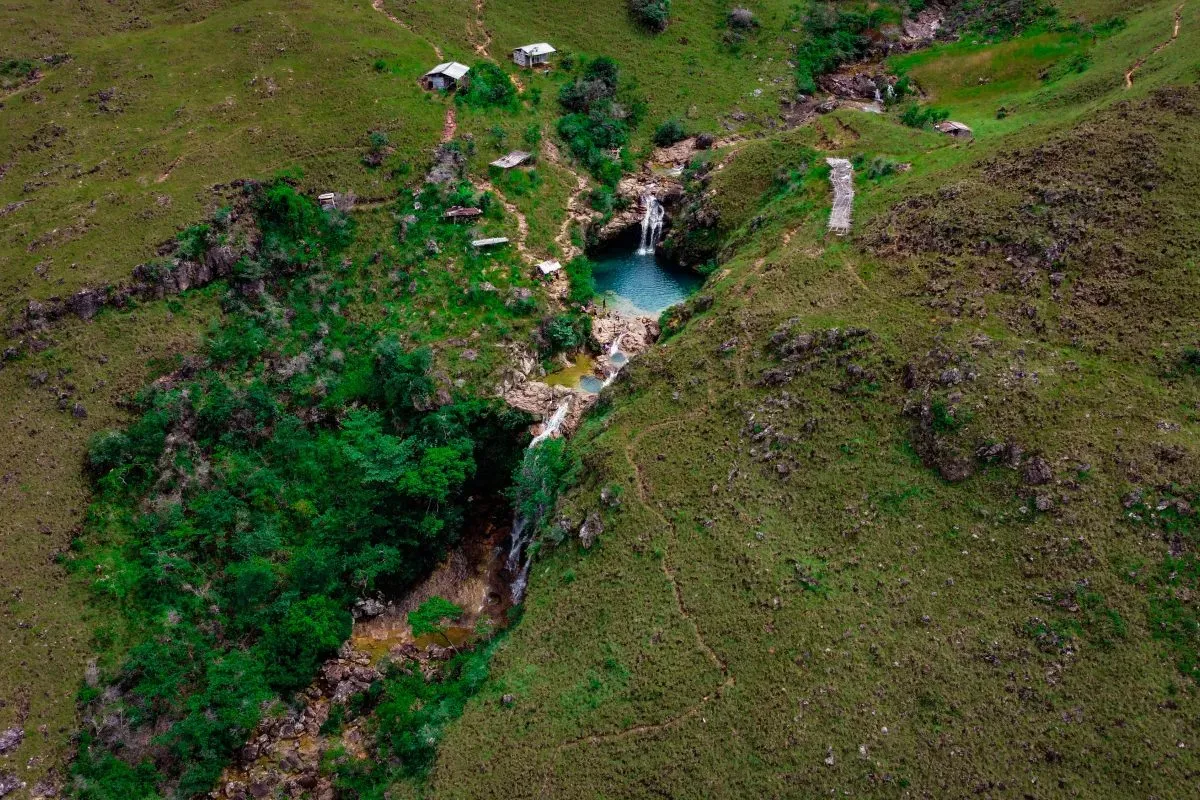
This policy marks a critical step forward for the $1.6 billion infrastructure project designed to bolster water security for the vital interoceanic waterway. The reservoir will cover 4,600 hectares, roughly eight percent of the total Rio Indio basin, and requires the relocation of approximately 550 families, or 2,500 people, from the affected area in Coclé Province.
Finalizing the Resettlement Framework
Authorities recently concluded the seventh and final cycle of community meetings under the project’s Resettlement Action Plan. These sessions, held since May 2025 across nine strategic locations, aimed to engage residents on compensation criteria, replacement housing features, and potential relocation areas. The next phase involves a collective signing of the compensation framework, followed by individual family agreements.
“In recent days we concluded the seventh and final cycle of meetings of the Resettlement Action Plan, developed alongside the inhabitants of the communities to be resettled,” the Panama Canal Authority stated. [Translated from Spanish] “With this stage finished, the next step will be the collective signing of the compensation framework and, subsequently, the start of individual agreements, considering that each family has a distinct reality regarding land extent, house type, and productive activities.”
Valuations will cover land, crops, homes, structures, and other assets for both residents and non-residents within the project zone. Each family will receive a confidential technical report forming the basis for their individual compensation agreement. The authority pledged to hold consultative sessions to explain valuation matrices and ensure the criteria reflect local economic realities.
Addressing a Sensitive Project Component
The valuation methodology directly addresses one of the most sensitive aspects of the reservoir initiative. It ultimately defines the economic compensation and conditions for relocating impacted communities. Project leaders emphasize the “replacement value” approach for structures, which estimates the current cost to rebuild them entirely new.
Land and standing crops will be appraised at fair market value. Homes and annex buildings will be calculated at full replacement cost, a significant provision that ignores deductions for age or wear. This policy appears designed to mitigate community opposition by offering a premium for existing structures.
Parallel to the resettlement planning, the Canal Authority continues a separate, broader land titling program within the waterway’s watershed. Officials handed out 145 property titles to an estimated 700 residents in 33 communities last November alone. More than 23,000 properties have been titled across the canal’s watershed since Panama assumed control of the canal.
Construction on the reservoir cannot proceed until the resettlement process is finalized. The timeline remains dependent on reaching individual agreements with all affected families, a task that project managers acknowledge will be complex given varying family circumstances. The coming months will test the newly defined valuation rules as appraisers begin their work on the ground.
The Rio Indio project represents a long-term strategic investment for Panama. Its primary goal is to augment freshwater supplies for the canal’s lock system and for local human consumption, a need highlighted by recent droughts that disrupted global shipping logistics. The reservoir’s creation will permanently transform the local landscape and economy, displacing communities but also promising enhanced regional water security for decades to come.