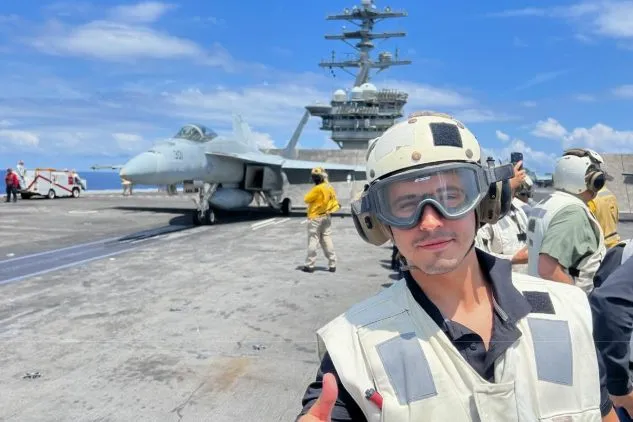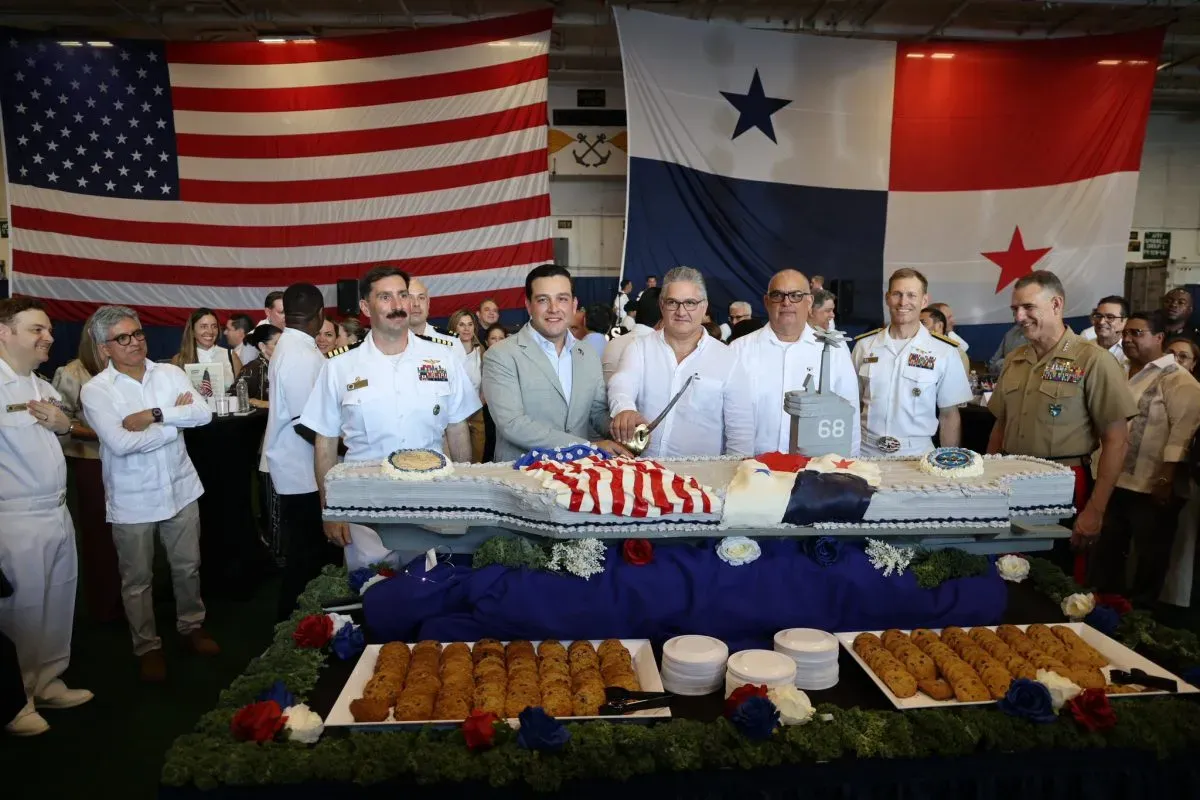
Panamanian and United States officials reinforced their security partnership this week during a historic port call by the USS Nimitz aircraft carrier. The diplomatic reception, attended by ministers, legislators, and business leaders, highlighted ongoing military cooperation aimed at combating transnational crime and countering foreign influence in the region.
U.S. Ambassador to Panama, Kevin Marino Cabrera, detailed the breadth of bilateral efforts. He stated that American military advisors and instructors are actively working to enhance the capabilities of Panamanian security forces through joint training and exercises. The collaboration specifically targets narcotrafficking networks and organized crime groups that threaten regional stability.
“Our security cooperation includes the participation of instructors and advisors from different U.S. military branches, who strengthen the capabilities of Panamanian institutions through training, exercises, and exchanges,” Ambassador Cabrera said. [Translated from Spanish] He also highlighted the impact of recent U.S. Southern Command medical missions in Panama, which he said performed over 400 cataract surgeries.
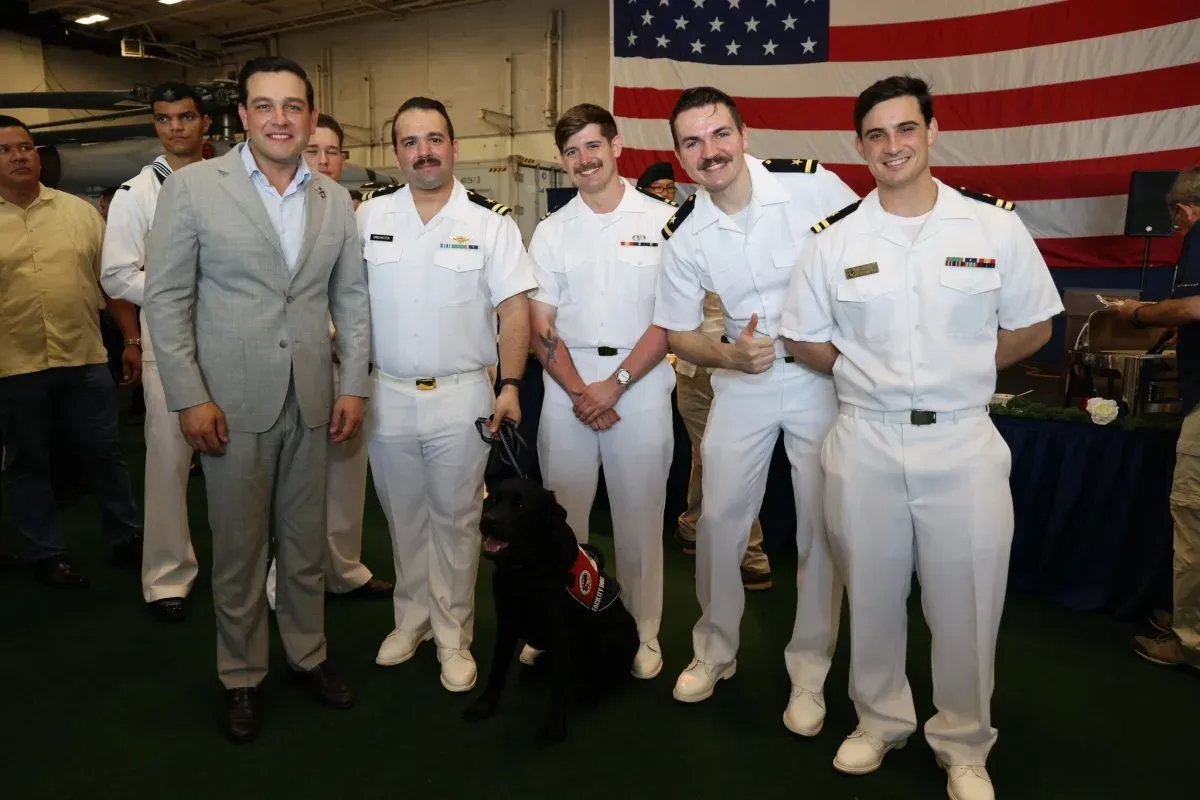
Southern Command Chief Warns of External Threats
The strategic context for the visit was framed by General Francis L. Donovan, commander of the United States Southern Command. He positioned the carrier’s presence as part of a broader regional security strategy. General Donovan identified nations including China, Russia, and Iran as actors seeking expanded influence in the Western Hemisphere, with strategic chokepoints like the Panama Canal as areas of concern.
These state actors operate alongside violent narcotrafficking and criminal networks, he argued, which together promote corruption and instability. The general’s remarks underscored a shifting security focus for the hemisphere, moving beyond traditional drug interdiction to include geopolitical competition.
“The peace of our hemisphere is not guaranteed, so it must be defended through cooperation, trust, and joint operations,” General Donovan stated. [Translated from Spanish] “We are sending a clear message to the world: we are together and we are a force that no enemy can confront.”
Panama’s Minister of the Presidency, Juan Carlos Orillac, delivered the official welcome on behalf of President José Raúl Mulino. He described the USS Nimitz’s arrival as a symbol of a solid and respectful relationship between the two nations. Orillac emphasized Panama’s unique position as a global commerce hub, noting the country’s vested interest in international cooperation and maritime security.
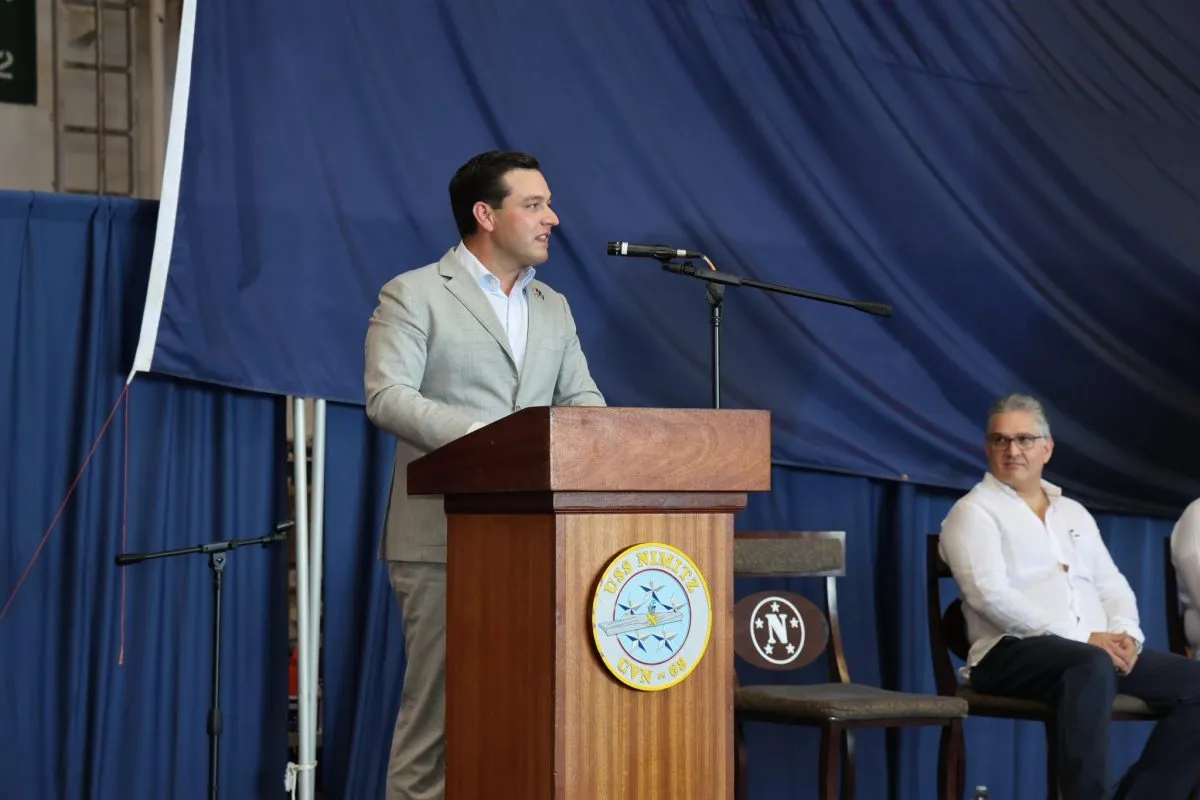
The port call involved coordinated exercises designed to improve readiness for complex humanitarian and security crises. Officials from both countries framed these activities as essential for building a common defense and response agenda. This partnership now explicitly includes other allied nations in Central and South America, creating a multilateral front against shared threats.
Panama’s enduring relationship with the United States, rooted in the canal’s history, continues to evolve. The current collaboration reflects mutual concerns over criminal enterprises that exploit global trade routes. It also signals Panama’s alignment with U.S. strategic interests amid increasing great power competition close to its shores. The visual power of a U.S. nuclear-powered aircraft carrier in Panamanian waters served as a potent symbol of that renewed commitment.
Security analysts note the visit’s timing is significant. It follows recent diplomatic engagements where canal security featured prominently on the agenda between Washington and Panama City. The Mulino administration, while asserting Panama’s sovereignty, appears to be deepening practical security ties with its traditional partner. This balancing act seeks to safeguard Panama’s economic lifeline while navigating a complex geopolitical landscape.
Future joint operations and training missions are expected to increase. The foundational work discussed during the USS Nimitz visit aims to create a more resilient framework for regional security. For Panama, the challenge remains leveraging this cooperation for its national stability without becoming a focal point of international tensions. The week’s events proved both nations are willing to invest in that precarious balance.