


The Panamanian government has awarded a major contract to repair and maintain streets in the country’s Northern District. The Ministry of Public Works (Panama) approved the $9.3 million project on December 17.
A consortium named Panama Norte, formed by Concreto Asfáltico Nacional, S.A. and Conansa, won the public tender. Their bid came in under the government’s reference price of $10 million. Work will focus on the districts of Chilibre, Las Cumbres, and Alcalde Díaz.
Extensive Roadwork Planned for Three Districts
Project scope documents list numerous streets slated for rehabilitation. In the Chilibre District, crews will repair El Roble, Agua Buena, Don Bosco, La Esmeralda, and Llano Verde streets. Las Cumbres will see work on Calle 1, Villa Nueva, San Pablo, Las Torres, Colonial Las Cumbres, Lucha Franco, and Unión Veragüense.
Alcalde Díaz is scheduled for improvements on Calle 2, Calle 3, Calle 4, Calle 7, San Juan de Dios, and the Boyd Roosevelt roadway. Following construction, the winning consortium must maintain the rehabilitated roads for 36 months. This long-term maintenance clause is a standard feature in modern Panamanian infrastructure contracts.
Officials from the Ministry of Public Works emphasized the project’s role in improving daily life. They framed the investment as critical for connectivity and safety in these populous areas.
“This investment directly addresses the needs of communities in Panama Norte,” a ministry official stated. [Translated from Spanish] “We are committed to restoring these vital urban roads to ensure safe and efficient transit for all residents.”
The contract was processed through the national Public Procurement (Panama) portal. This system is designed to ensure transparency in the awarding of all state-funded projects.
Focus on Urban Infrastructure Renewal
This street rehabilitation initiative signals a continued focus on urban infrastructure. Panama’s capital and its surrounding districts have experienced rapid growth. That expansion has placed significant strain on existing road networks.
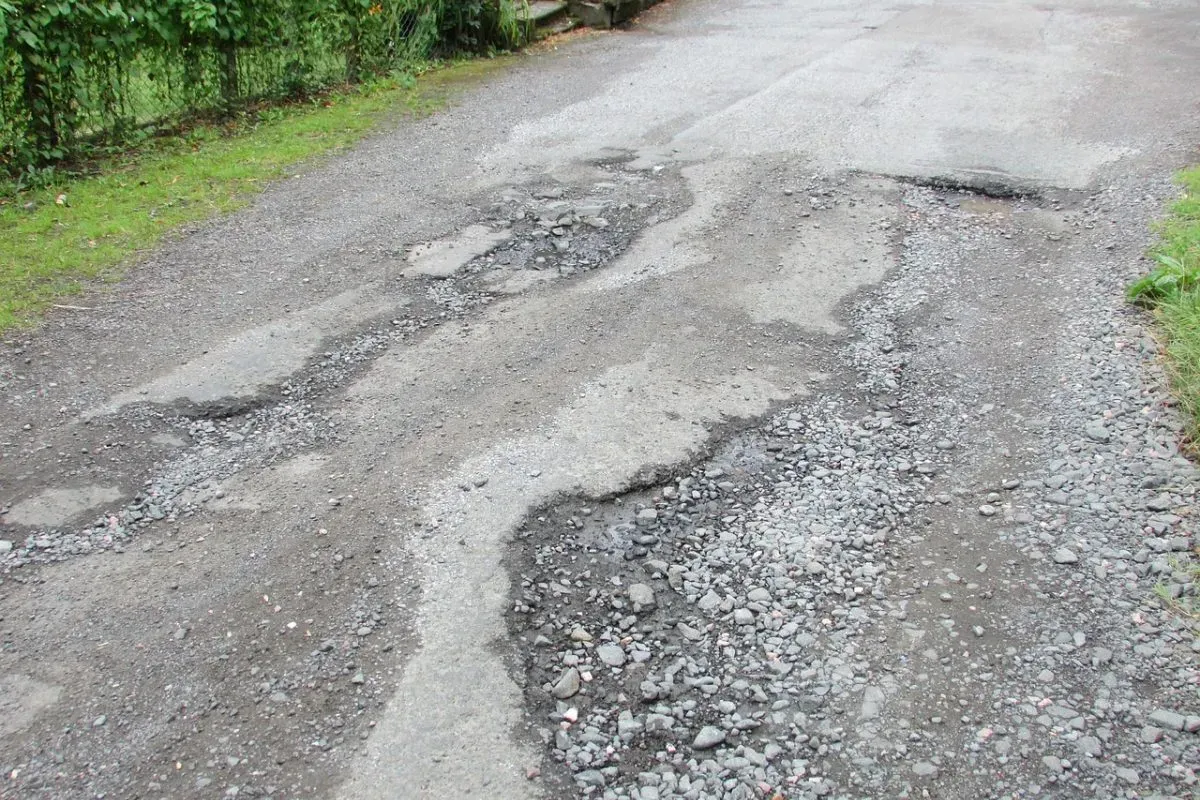
Local leaders have long advocated for such improvements. They argue that better roads reduce commute times, improve public safety, and boost local economies. The planned work is expected to alleviate chronic issues like potholes and poor drainage in the targeted neighborhoods.
Residents can expect a phased rollout of construction activities. The consortium will now move from the award phase into final planning and mobilization. Actual start dates for roadwork have not yet been publicly announced. Project managers typically coordinate with local authorities to minimize community disruption during construction.