


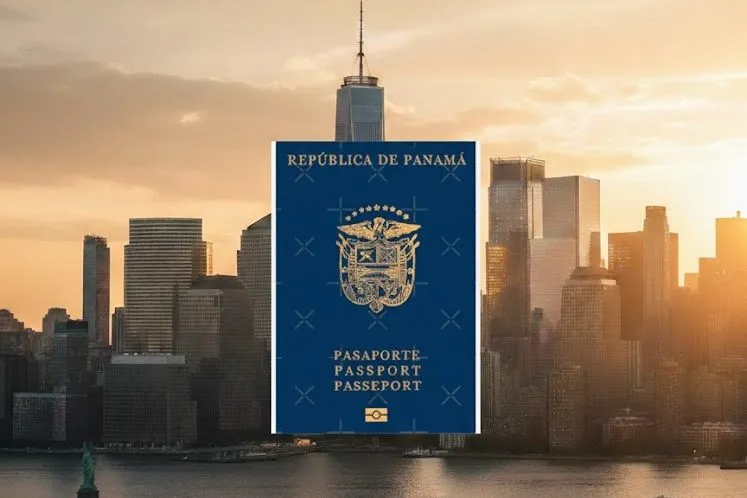
Panama’s Foreign Minister Javier Martínez-Acha stated this week that the United States could evaluate Panama for inclusion in its Visa Waiver Program. The announcement followed a high-level meeting between Martínez-Acha and U.S. Secretary of State Marco Rubio in Washington on Tuesday, January 13. This potential development marks a significant step in bilateral relations and could ease travel for Panamanian citizens to the United States.
Martínez-Acha clarified in an interview with the program Cuarto Poder that the discussion centered on a future possibility for analysis, not a finalized decision. The diplomatic dialogue lasted approximately 45 minutes and covered a broad agenda including regional security, infrastructure investment, and migration policy. The minister described the atmosphere of the talks as fluid and respectful.
Strengthened Bilateral Ties and Infrastructure Focus
According to the Foreign Minister, Secretary Rubio explicitly acknowledged the strong current state of relations between the two nations. The conversation also revealed a marked U.S. interest in supporting Panamanian infrastructure projects. Martínez-Acha cited potential financing from entities like the U.S. International Development Finance Corporation (DFC) for initiatives such as regional interconnection with Colombia and projects linked to the Panama Canal Authority.
“The level of the relationship is in fantastic condition,” said Martínez-Acha. [Translated from Spanish] He emphasized that topics addressed were of interest to both Panama and the wider region, with all proposed projects required to follow standard institutional channels.
The potential visa waiver evaluation represents a tangible outcome of these strengthened ties. Inclusion in the Visa Waiver Program would allow Panamanian passport holders to travel to the United States for tourism or business for up to 90 days without obtaining a visa. The process requires a country to meet strict security and regulatory standards.
Regional Security and Clear Stance on International Relations
A central part of the dialogue focused on the situation in Venezuela. Martínez-Acha reported that Rubio outlined the U.S. strategy toward Venezuela, which is designed for short, medium, and long-term application. The stated objective is ensuring respect for the will of the Venezuelan people. Both officials also discussed combating organized crime and narcotrafficking, pledging to enhance bilateral cooperation mechanisms against these regional threats.
Notably, the Foreign Minister said the issue of perceived Chinese influence in Panama did not come up during the meeting. He reiterated that the United States remains Panama’s principal historical partner. The country nonetheless aims to maintain respectful commercial relations with all nations, including China.
“We have to recognize that the United States and China have an international competition for influence, but we are clear about Panama’s future, the interests of our nation,” Martínez-Acha asserted. [Translated from Spanish]
On migration, Rubio reportedly recognized the migration policy promoted by Panama. The Foreign Minister highlighted that last year nearly 3,000 people used the border with Colombia for northbound transit. The discussion also touched on a potential future meeting between the presidents of both countries. Martínez-Acha confirmed the topic is on the agenda, though no date has been set, pending the leaders’ availability.
The meeting underscores ongoing diplomatic engagement between the two nations, following other high-level contacts. The outcome, particularly the visa waiver possibility, is seen as a direct result of Panama’s current foreign policy direction under President José Raúl Mulino’s administration.