


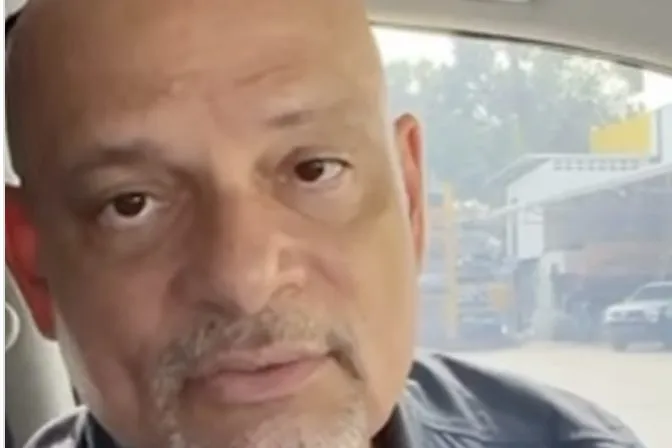
Panamanian legislator Ernesto Cedeño has voiced strong concerns about potential reforms to the nation’s public contracting system. His warning comes as the administration of President José Raúl Mulino prepares to propose modifications to the Public Procurement Law.
Cedeño, who represents circuit 8-4, argued that some technical recommendations under consideration could dismantle years of progress. He acknowledged Mulino’s call for debate as necessary but urged extreme caution. The lawmaker traced the system’s evolution from 1985 through major reforms in 1995 and 2002, noting each step aimed to improve transparency and efficiency.
“Unfortunately, some advisors have told, as I understood it, President Mulino that legislation for best value should be eliminated to make way for awards based solely on lowest price. That is an error from a technical standpoint, in my judgment.” [Translated from Spanish]
His primary objection centers on a reported plan to scrap the “best value” tender model. Cedeño insists this would be a severe mistake.
Defending the Best Value Tender Model
The Best Value Tender process evaluates bids on multiple criteria beyond just cost. It considers a company’s experience, technical capacity, and financial solvency. This system emerged to correct failures observed when contracts were awarded purely to the lowest bidder.
Cedeño explained that past reliance on lowest price led to problematic outcomes. Newly formed companies with little experience would submit unrealistically low bids. They often lacked the financial backing or skill to complete projects, resulting in broken contracts and unfinished public works. The best value framework, he contends, provides greater security for the state by ensuring qualified contractors win bids.
The real issues plaguing Panama’s procurement are structural, according to the deputy. He pointed to a chronic shortage of specialized personnel tasked with drafting tender specifications. Poorly designed processes then lead to low bidder participation. An excess of administrative and legal appeals further bogs down the system, creating delays that demand simplification.
President Mulino Advocates for Overhaul
President Mulino has publicly defended the need for comprehensive reform. He argues the current system too often allows public funds to favor private interests instead of serving citizens. The president specifically targeted Law 22 of 2006, calling it obsolete, inefficient, and costly for the treasury.
“What is under discussion is what must be corrected to prevent public funds from ending up favoring private interests.” [Translated from Spanish]
Mulino described the existing law as a “perfect disaster.” He claimed it has made even simple projects, like building a park bench, vulnerable to challenges and delays. The process becomes mired in appeals and uncertain outcomes, slowing vital public investment. The Government of Panama appears poised to present a reform package soon, though specific legislative language remains unpublished.
This debate unfolds against a broader backdrop of scrutiny over public spending and contracts. Cedeño himself has been involved in discussions concerning accountability, as seen in previous reports on investigations into former officials. The push for procurement reform now sets the stage for a significant political negotiation between the executive and legislative branches.
Observers expect a contentious legislative process. Lawmakers like Cedeño will likely demand that any new law preserve mechanisms they believe ensure quality and prevent corruption. The administration seems determined to prioritize speed and cost reduction. Finding a balance between these competing objectives will define the coming months in Panama’s public administration.