


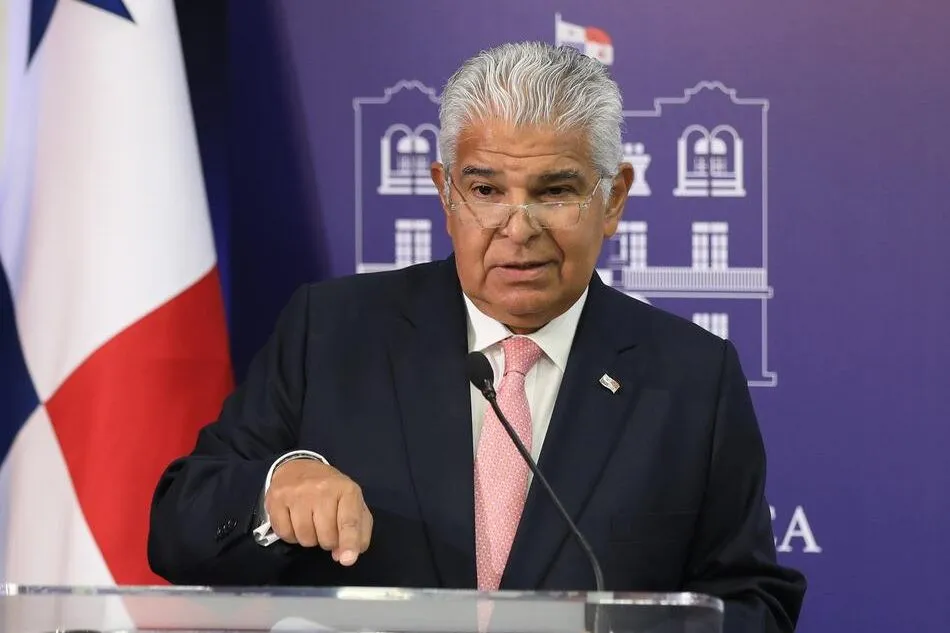
Panamanian President Jose Raul Mulino arrived in Foz do Iguaçu, Brazil on Friday to participate in the 67th Summit of the Southern Common Market. The summit, held on Saturday, December 20, marks Panama’s second official intervention as an associate state of the regional bloc. Mulino’s central mission is to formally present the law ratifying a key economic agreement to the gathered heads of state, a critical step for Panama’s deeper integration.
This move represents a strategic effort to solidify Panama’s economic and political positioning within South America. The government views the ratification as an essential requirement to consolidate its associate state status within Mercosur, the trade bloc comprising Argentina, Brazil, Paraguay, and Uruguay. Officials argue the agreement opens a path for gradual, protected market access while leveraging Panama’s global logistical advantages.
“The agreement allows for a gradual, flexible, and progressive integration, protecting national productive sectors,” said Linda Castillo, head of International Trade Negotiations at the Ministry of Commerce and Industries. [Translated from Spanish] She added that it offers Mercosur access to Panama’s logistics platform, its air, maritime, and port connectivity, and its network of trade agreements with 65 preferential partners worldwide.
The presentation follows Panama’s participation in a meeting of the Common Market Negotiating Group on Thursday. There, Panamanian delegates outlined their vision for implementing the recently approved pact. The Economic Complementation Agreement (ACE), known as ACE-76, was finalized in October 2025 and now requires full ratification to take effect.
Ministerial Meetings Lay Groundwork for Summit
Parallel ministerial meetings also occurred on Friday. The Mercosur Council General convened with foreign ministers and trade officials from member and associate states. Panama’s delegation included key figures like Foreign Minister javier martinez-Acha and Commerce Minister julio moltó, who leads the negotiating team.
These sessions reviewed the bloc’s action plan over the last six months. For Panama, they provide invaluable insight into Mercosur’s internal workings and decision-making mechanisms. This firsthand knowledge is considered crucial for navigating a gradual and strategic approach to closer ties with the core member nations.
President Mulino did not travel alone. His official delegation to Foz do Iguaçu includes Economy and Finance Minister Felipe Chapman, Commerce Minister Julio Moltó, Foreign Minister Javier Martínez-Acha, and Deputy Minister of Domestic Trade Eduardo Arango. This trip constitutes Mulino’s eighteenth international journey since assuming the presidency.
Panama’s push for associate membership reflects a calculated foreign policy shift. The government has consistently framed Mercosur not as a threat to local industry but as a complementary alliance. Officials emphasize the potential for Panama to serve as a logistical and trade hub, connecting Mercosur’s substantial market to its vast network of global partners through the Panama Canal and its maritime services.
Final ratification of the agreement by Panama’s legislature is the immediate next step following the summit presentation. Success would mark a significant milestone in the nation’s commercial diplomacy, potentially altering trade flows and strengthening its role as a hemispheric bridge. The outcome of this weekend’s discussions will signal how quickly that integration can proceed.