


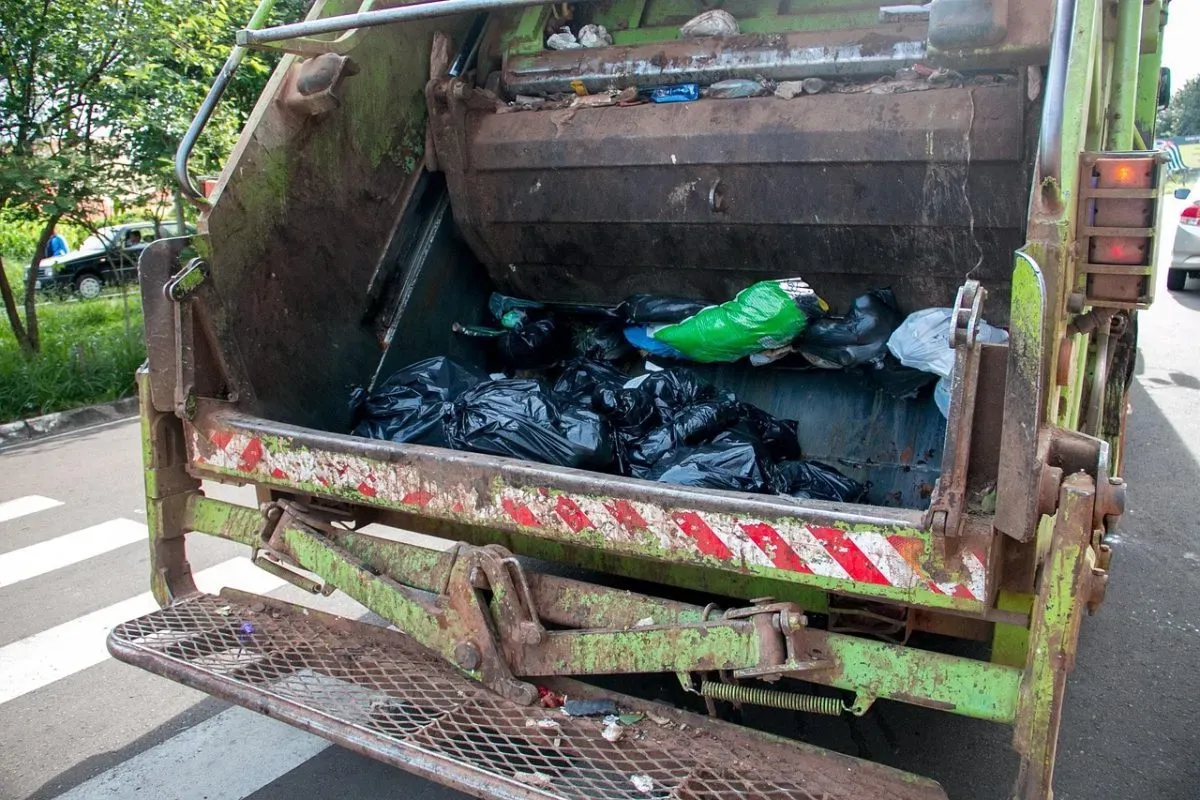
The Municipality of San Miguelito has filed three separate criminal complaints against its former garbage collection contractor. Legal action targets Recicladora Vida y Salud, S.A. (Revisalud) for alleged environmental, economic, and public health violations following a contract dispute that left streets piled with waste.
Municipal legal advisor Claudio Francis detailed the complaints during a council session this week. He stated the complaints were formally presented to the Public Ministry (Panama) for investigation. The allegations stem from the company’s performance in the final months of a contract that ended in January 2025.
“From November until January, the company deliberately reduced the waste collection process across the entire district,” Francis told the municipal council. [Translated from Spanish] He called it an intentional action that created a dangerous public health scenario for residents, justifying the judicial investigation.
One complaint alleges crimes against the environment due to the reduced collection service. Another accuses the company of economic harm against residents. Officials claim Revisalud improperly charged users for a full month of service in advance. A third complaint focuses on an alleged crime against the economic order. It involves municipal property that was supposedly transferred to other companies and not returned.
Contract Dispute Sparks Broader Conflict
The legal battle erupted after Revisalud’s 24-year contract concluded last January. A conflict over control of waste services and collection fees then intensified between the municipal government and national authorities. This power struggle directly led to the interrupted service and the subsequent legal filings.
Last week, San Miguelito Mayor Irma Hernandez escalated the conflict further. She filed a lawsuit to nullify a recent resolution from the national Urban and Household Waste Authority (AAUD). That resolution authorized the AAUD to begin garbage collection in San Miguelito itself. Hernandez argues the decision violated a law guaranteeing the district mayor a seat at the table for such discussions.
Attempts to get a reaction from Revisalud regarding the criminal complaints were unsuccessful. A public relations firm previously contracted by the company confirmed it no longer represents them. The company has not issued a public statement on the allegations.
The situation highlights the severe logistical challenges of waste management in San Miguelito. The district generates between 400 and 600 tons of waste daily. Its many informal hillside settlements lack formal road access, complicating collection. Crews often must place large containers that are quickly overwhelmed, requiring cleanup with mechanical shovels.
These new criminal complaints represent a significant hardening of the municipality’s stance. They move the dispute from a contractual disagreement into the realm of potential criminal liability. The case now rests with the Public Ministry, which must decide whether to investigate the allegations formally. The outcome could influence future contracts and enforcement of service standards across Panama.
For residents, the immediate concern remains reliable trash pickup. The standoff between local and national authorities over who should provide the service continues. It creates uncertainty in a district where public health is directly tied to consistent waste removal. The legal maneuvers also touch on broader themes of economic management and local autonomy.
Mayor Hernandez’s separate lawsuit against the AAUD resolution is pending. Its success could redefine how national agencies interact with districts on municipal services. This complex layering of criminal complaints and civil lawsuits ensures the garbage collection issue will remain in Panamanian courts and headlines for the foreseeable future. The case also intersects with wider national discussions on governance and environmental regulation.