


Panamanian and British officials gathered this week to commemorate a pivotal moment in regional diplomacy. The events mark the approaching 200th anniversary of the Congress of Panama, a foundational meeting for international cooperation in the Americas. The activities included a formal reception and a historical tour, underscoring shared history and contemporary partnership.
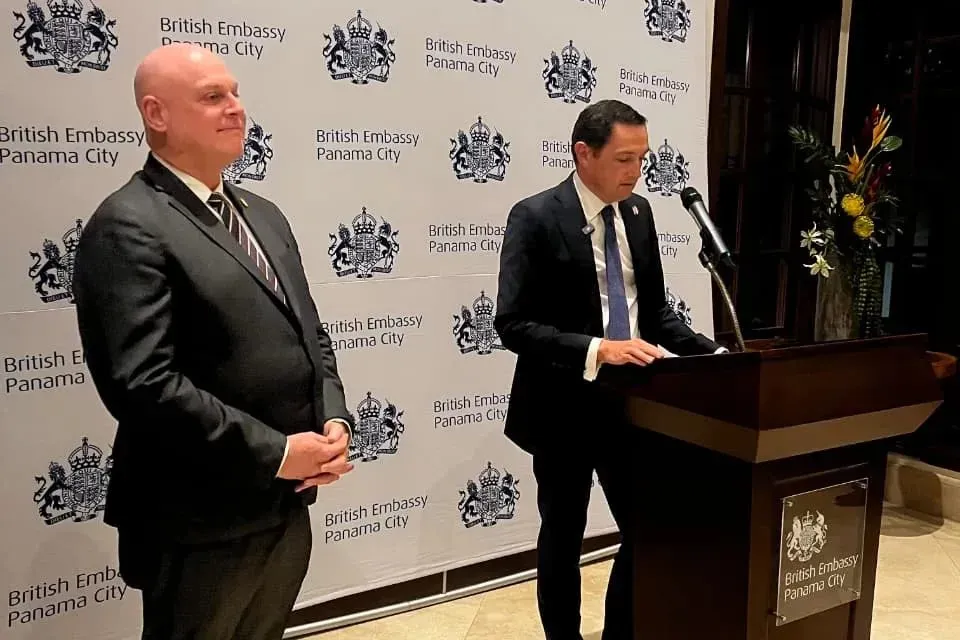
The United Kingdom’s Ambassador to Panama, Greg Houston, hosted the reception to welcome visiting British historian Professor Geoffrey Hicks. Hicks, from the University of East Anglia, is in the country for academic events tied to the bicentennial. Officials from both nations emphasized the enduring relevance of the 1826 congress’s goals.
Ambassador Houston connected the historical event directly to modern diplomatic practice. He highlighted the congress as a direct forerunner to contemporary systems of international dialogue.
“The ideals of unity among nations championed at the Congress of Panama remain vital today,” Houston stated. [Translated from Spanish] He added that the event serves as a key historical precedent for modern multilateralism.
Panama’s Vice Minister of Multilateral Affairs and Cooperation, Carlos Guevara Mann, also addressed the gathering. He detailed the significant British participation at the original congress, framing it as early global recognition of Panama’s strategic diplomatic role.
“The presence of British observer Edward Dawkins at the 1826 congress was a recognition of its importance,” Guevara Mann explained. [Translated from Spanish] “It signaled the world’s understanding of Panama as a meeting point for the international system, not just for the Americas.”
The guest list included members of the Bolivarian Society of Panama and visiting academics. A musical performance by the Tocando Puertas foundation from Cartagena provided the evening’s cultural note.
Historical Ties Cemented in Foreign Cemetery Visit
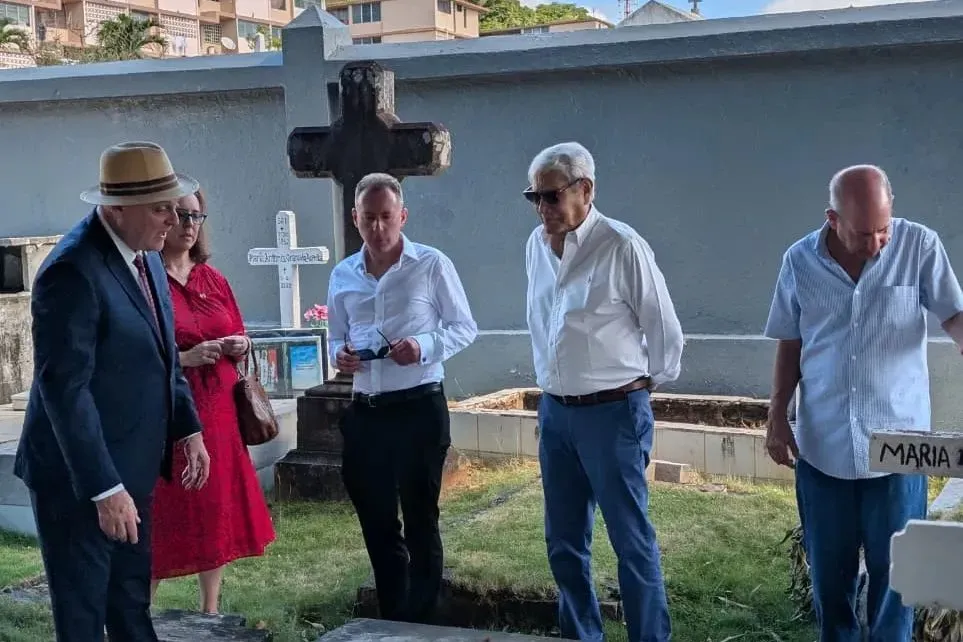
A subsequent visit to Panama’s Foreign Cemetery offered a tangible link to the 19th century event. The tour was led by Mario Lewis Morgan, director of the Épocas magazine, and included Vice Minister guevara mann, Professor Hicks, and British embassy staff. The group located the graves of two British secretaries who accompanied observer Edward Dawkins.
Both secretaries died in Panama during the proceedings of the original Congress of Panama (1826). This discovery physically anchored the historical narrative discussed at the reception, reminding attendees of the very human dimensions of early international diplomacy.
Building Toward 2026 Commemoration
These events form part of Panama’s broader preparations to mark the bicentennial in March 2026. The government is planning a series of academic, cultural, and diplomatic activities leading up to the date. Strengthening bilateral relationships, particularly with nations that participated in or observed the original congress, is a key component of this effort.
The involvement of a distinguished British historian like Professor Hicks signals a commitment to scholarly examination of the congress’s legacy. His visit likely facilitates research and academic exchange that will enrich the upcoming commemorations. For Panama, the bicentennial is not just about history. It is an opportunity to reaffirm its modern identity as a hub for international dialogue and cooperation, a role it has played for two centuries.