


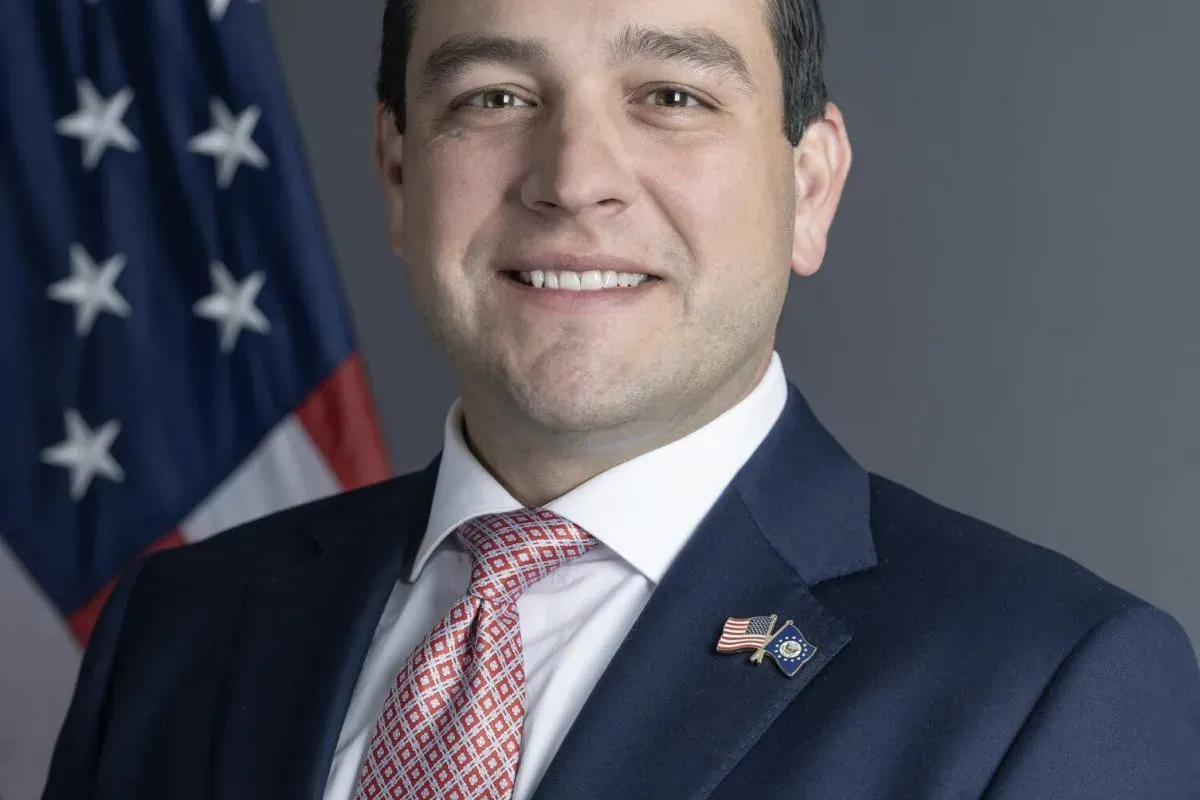
United States Ambassador Kevin Marino Cabrera and Panama’s First Lady Maricel Cohen de Mulino inaugurated a major clean water project at a school in Colon. The “Water in Your Classroom” initiative aims to provide reliable drinking water to thousands of students across the country. The launch event at the Bilingual Gatuncillo School on November 19 marked the start of a public-private partnership designed to address a critical infrastructure gap.
Panamanian Minister of Education Lucy Molinar and Minister of Health Dr. Fernando Boyd Galindo joined the ceremony, highlighting the government’s prioritization of the issue. The program’s first installation will serve over 500 students at the Gatuncillo school with a new rainwater harvesting system. Officials stated the broader goal is to benefit 4,000 students in 30 schools nationwide.
The project blends resources from the U.S. government, Panamanian authorities, and several corporate donors. Materials for the water systems were donated through the humanitarian aid program of SOUTHCOM (United States Southern Command). Private funding from companies like AES Panama and logistical support from United Way Panama make the installations possible.
“Water in Your Classroom reflects the best of our cooperation in security and education: concrete, visible projects with a positive impact on youth and communities. Under President Trump’s leadership, the U.S. Embassy is strengthening bilateral cooperation with Panama for the benefit of both countries,” stated U.S. Ambassador Kevin Marino Cabrera. [Translated from Spanish]
Immediate next steps involve rolling out similar systems to other identified schools. Initial regions targeted include Colon, Los Santos, Herrera, Chiriquí, and the Ngabe Bugle region. The collaboration ensures students have access to water for drinking and sanitation directly in their classrooms, a basic necessity that officials say has been inconsistent in many areas.
Addressing a National Infrastructure Challenge
Panama faces significant challenges in providing universal access to potable water, particularly in rural and underserved urban communities. Schools in these areas often rely on intermittent municipal supplies or bottled water, creating health risks and disrupting the learning environment. The new initiative directly tackles this problem by building independent, sustainable water sources on school grounds.
The system inaugurated at Escuela Bilingue Gatuncillo captures and filters rainwater, storing it for daily use. This model is especially effective in Panama’s tropical climate, where rainfall is abundant for much of the year. It provides a buffer against dry spells and municipal water shortages. Engineers designed the system for low maintenance, a crucial factor for long-term sustainability in a school setting.
“Today, with this water system installed, I see stability, a better quality of life, and dreams that can now move forward without the uncertainty of lacking access to safe drinking water. I would like to thank the United States Embassy for this initiative, which reflects a genuine sensitivity to our realities,” expressed First Lady Maricel Cohen de Mulino. [Translated from Spanish]
Minister of Health Dr. Fernando Boyd emphasized the public health imperative. Consistent access to clean water reduces the transmission of waterborne diseases and supports basic hygiene practices like handwashing. For the Ministry of Education, the project is a foundational investment. Officials argue that students cannot focus on learning if they are thirsty or concerned about the safety of the water they drink.
A Model of Multisector Partnership
The “Water in Your Classroom” program stands out for its collaborative funding and execution model. The U.S. Embassy, through SOUTHCOM, provides the physical materials for the water harvesting and filtration systems. This support falls under longstanding security cooperation agreements that include humanitarian assistance components. The U.S. has a history of similar infrastructure support, including a recent donation of facilities and equipment to Panama’s border service, which some readers have shared feedback about.
Panamanian corporate partners fill the financial and logistical gaps. AES Panama, a major energy company, supplied crucial funding for the Gatuncillo installation. Other companies like Copa Airlines, Procter & Gamble, and ARGOS have also joined the coalition. Their contributions cover construction costs, technical labor, and complementary supplies such as reusable water bottles for students.
United Way Panama acts as the coordinating NGO, managing relationships between schools, government ministries, and private donors. This structure is intended to ensure efficiency and accountability. It allows each partner to contribute their specific expertise, whether it’s international diplomacy, local construction, or corporate social responsibility. The model could serve as a blueprint for future infrastructure projects in other sectors.
Ambassador Cabrera connected the effort to broader strategic goals. He framed it as part of a durable U.S.-Panama relationship focused on tangible improvements in security and quality of life. The ambassador has been active in promoting bilateral projects, and readers seeking more context on his role can find related information about your experience with similar embassy-led initiatives.
Impact on Students and Communities
The direct beneficiaries are the students who will no longer need to bring water from home or rely on potentially unsafe sources. Teachers and administrators at the Gatuncillo school described the change as transformative. Reliable water access means fewer student absences due to illness and a more dignified, conducive atmosphere for education. The program also includes educational components about water conservation and hygiene.
Community impact extends beyond the school gates. In many towns, schools function as community hubs. The new water infrastructure could potentially serve as a resource during local emergencies or shortages. The project also stimulates local economies by employing Panamanian contractors and workers for the installation and maintenance of the systems.
Long-term success hinges on consistent maintenance. Program organizers have established protocols involving school staff, local education ministries, and periodic check-ins from United Way. Training for school personnel on basic system upkeep is a core part of each installation. This focus on sustainability aims to prevent the project from becoming another well-intentioned but defunct piece of infrastructure.
Panama’s government views the initiative as a pilot that aligns with its own national development plans. If successful, the model could be scaled with additional public funding or replicated by other international partners. The collaboration demonstrates how foreign aid, when combined with local investment and oversight, can create lasting solutions to systemic problems. For residents observing Panama’s development challenges, from garbage collection to fuel prices, this project offers a case study in effective partnership, much like discussions surrounding about your views on public services.
The Road Ahead for Water Access
With the Gatuncillo school system now operational, the partnership turns its attention to the remaining 29 schools on the initial list. Site assessments and planning are already underway in several provinces. The selection of schools prioritized those with the greatest need and the structural capacity to host the harvesting systems. Geographic diversity was also a factor to demonstrate the program’s viability in different environments.
Challenges remain. Some remote schools in indigenous territories, like the Ngabe Bugle comarca, present logistical hurdles for transporting materials. Officials acknowledge that the rainwater model may need adaptation in areas with different climate patterns or water quality issues. The partnership is prepared to tailor solutions, potentially integrating well water or advanced filtration where necessary.
The U.S. Embassy signaled its commitment to long-term engagement on this issue. Ambassador Cabrera stated that “Water in Your Classroom” is just one example of a shared commitment to regional prosperity and stability. Future phases could expand the number of schools or integrate complementary programs in nutrition and sanitation. The ultimate metric of success will be measurable improvements in student health and attendance across the beneficiary schools.
For now, the focus is on execution. The coalition of government, military, business, and non-profit actors has set an ambitious timeline. Their collective work addresses a fundamental human need, proving that cross-border cooperation can yield direct, positive change in classrooms and communities. As Panama continues to develop its infrastructure, projects like this one highlight the importance of clean water as a cornerstone for education and public health.