


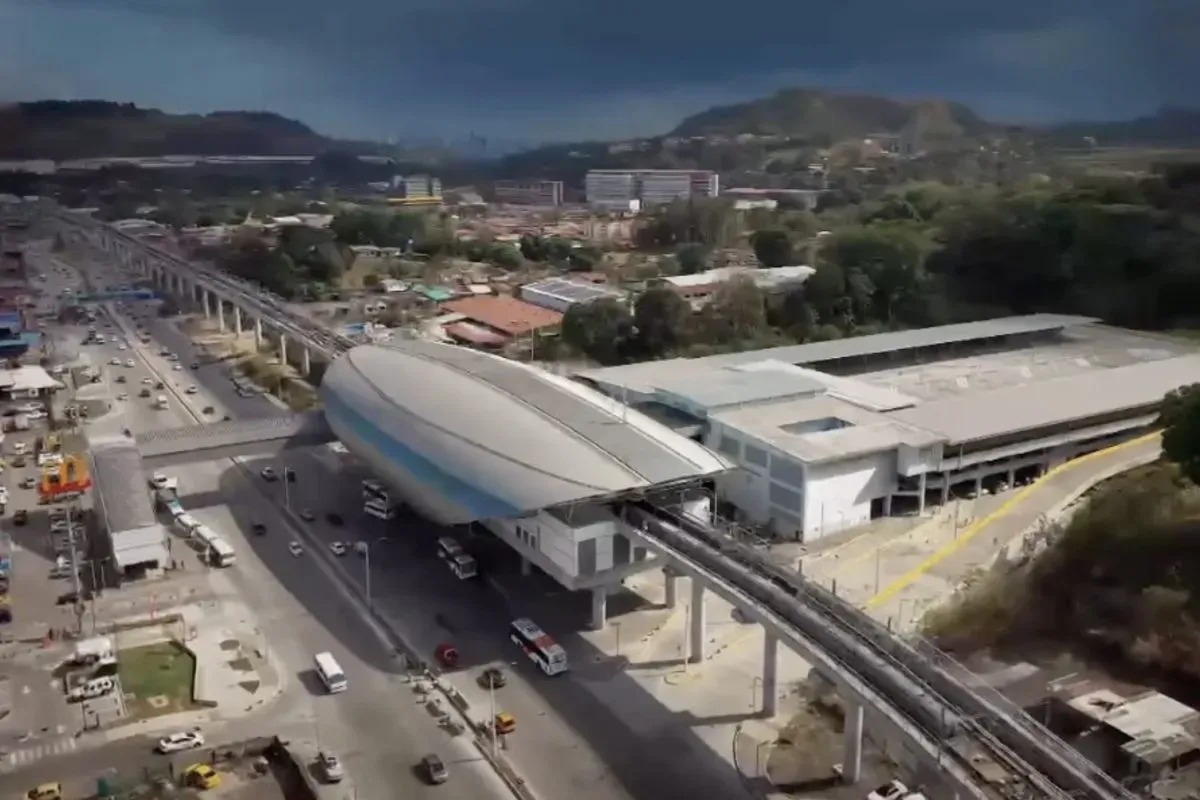
The Panama Metro will inaugurate its new Villa Zaita Interchange terminal this coming Monday, April 13. This facility is designed to streamline connections between the Panama Metro and key MiBus (Panama) routes serving northern Panama City and major highways.
Located at the terminus of Metro Line 1, the interchange aims to create a more efficient and organized transfer point for passengers. Officials confirmed that all involved public bus routes will maintain their established stops at the villa zaita station. The project represents a concrete step toward integrating the country’s two primary mass transit systems.
Officials Cite Improved Passenger Experience
Authorities framed the opening as a direct response to daily commuter challenges. The integration specifically targets passengers traveling to and from the capital’s northern zones, areas experiencing significant population growth. Reducing wait times and simplifying the transfer process were stated as core objectives for the new hub.
“The goal is to optimize the connection between the metro system and the MiBus routes that serve Panama Norte, the Transistmica Highway, and the Ricardo J. Alfaro corridor,” stated a Panama Metro announcement. [Translated from Spanish]
The announcement further clarified that passengers can expect more agile and orderly transfers between systems. This operational change is part of broader, ongoing efforts to create a cohesive national transportation network.
Streamlined Routes for Northern Commuters
The interchange will organize bus departures from designated gates. Key routes from the terminal will serve destinations like Chilibre, Alcalde Diaz, Ciudad Bolivar, and El Valle. Specific gates will be assigned, with some routes, such as the K160 to Calidonia and Albrook, operating exclusively on Sundays.
Other routes, including several direct services to Albrook via the Corredor Norte, will not run on Sundays. This structured gate system is intended to reduce passenger confusion and boarding delays at the busy terminal. The move complements other infrastructure upgrades in the area aimed at easing congestion.
Panama’s government continues to invest in public transit integration. Projects like this interchange and the training of new operators, including initiatives for metrobus mibus metro drivers, are central to this strategy. The ultimate aim is to provide a reliable alternative to private vehicle use on congested arteries like the Transistmica Highway.
Commuters using the Villa Zaita station should note the new gate assignments starting April 13. Metro officials anticipate the changes will significantly improve the daily travel experience for thousands of residents.