


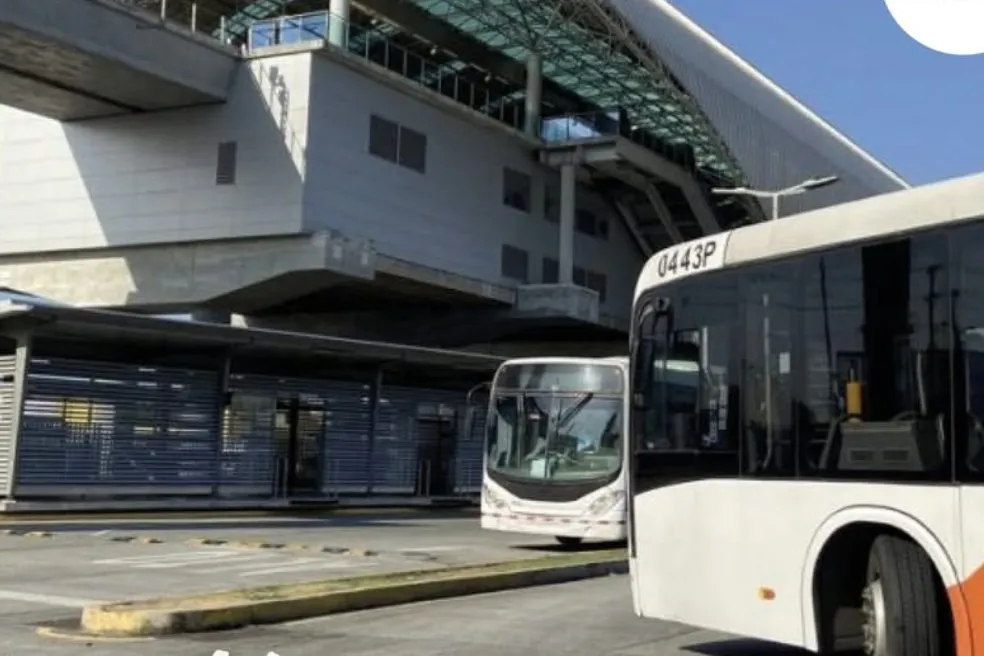
Public transport operators in Panama’s western region say a new fuel price increase threatens service sustainability. The Panama West collective transport sector issued a formal warning on April 3, stating it may be forced to reduce service frequency despite a government fuel subsidy.
Drivers acknowledged the state measure that caps fuel at 3.40 dollars per gallon. This action forms part of broader executive efforts to mitigate operational cost impacts on the transport industry. The newly effective price hike, however, pushes their financial model to a breaking point according to a sector communique.
“Our operation will become unsustainable, which will provoke a decrease in daily transport service,” the statement read. [Translated from Spanish]
The transport guild asked for user understanding regarding a situation they claim is beyond their control. They simultaneously reaffirmed a commitment to work with authorities. Evaluating and adjusting the subsidy’s implementation remains a shared goal for ensuring service continuity.
Subsidy Scope and Economic Pressure
Officials designed the pending fuel subsidy to cover selective and collective transport, freight, and artisanal fishing sectors. Its implementation could occur within a 15 day window. The policy specifically aims to prevent fare hikes and increased food costs during a period of international oil price volatility.
Operational costs continue rising anyway, transport leaders insist. This reality may directly affect thousands of daily commuters in Panamá Oeste Province. The potential service reductions would hit a critical public transport network for the densely populated area west of Panama City.
The ongoing dialogue between the government and transport representatives is now crucial. Finding a workable solution before services degrade is the immediate challenge. This situation mirrors broader tensions in Panama’s sector transporte as global energy markets fluctuate.
Commuters are advised to prepare for possible schedule changes or reduced bus availability. The sector’s statement frames the warning as a last resort, not a negotiation tactic. Their financial calculations show the current subsidy level cannot absorb the latest global price adjustments.
Panama’s government now faces a balancing act. It must manage inflation control while preventing the collapse of essential transit services. The coming weeks will test the effectiveness of the state’s mitigation strategy for a problem with no easy end in sight.