


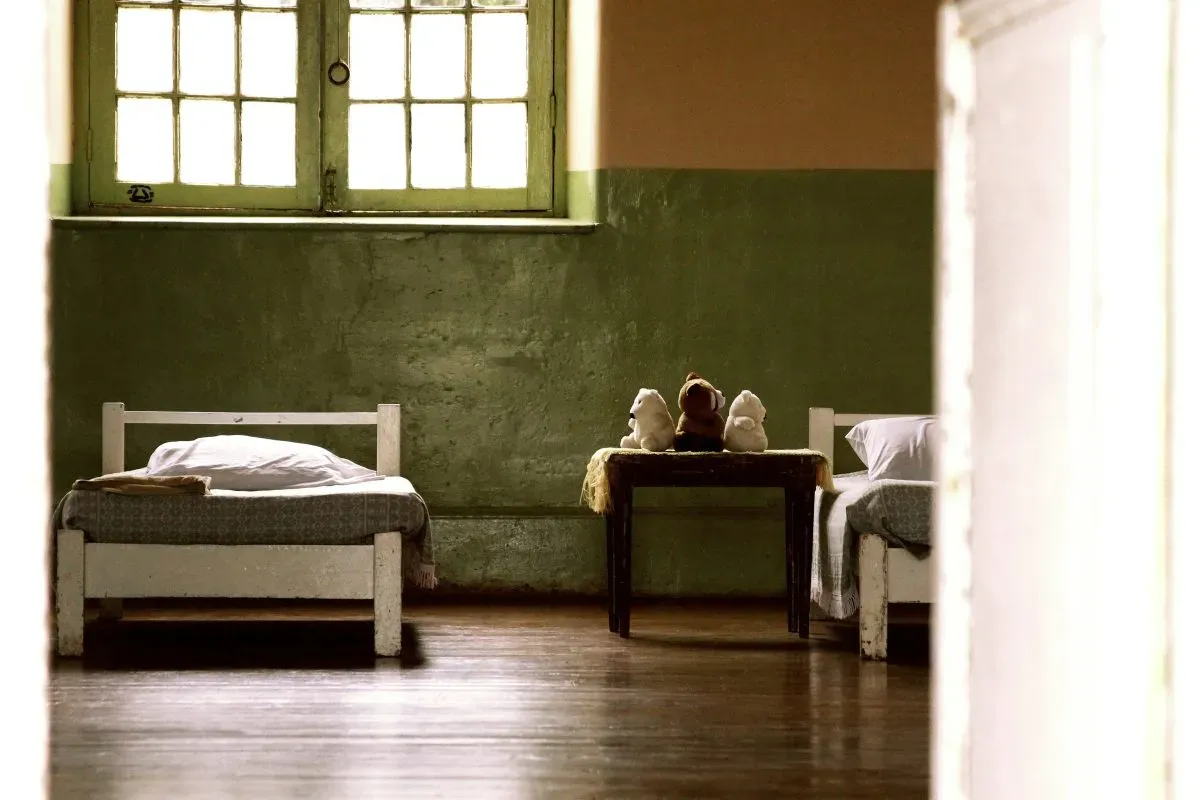
A legislative commission in Panama has uncovered deep systemic failures within the state’s network of child protection shelters. The findings come after weeks of surprise inspections led by the National Assembly’s Commission for Women, Children, Youth, and Family.
Commission president Alexandra Brenes revealed that while physical facilities were often adequate, the oversight and support system for vulnerable children is critically broken. Her team visited eight shelters across Chiriquí Province, Veraguas, Coclé, and Panama Oeste, discovering issues ranging from funding delays to judicial backlogs that leave children in legal limbo for years.
The inspections faced immediate obstacles from the very agency tasked with child protection. Brenes stated that the National Secretariat for Children, Adolescents and Family (Senniaf) controlled which shelters they could visit and changed the itinerary without notice.
“I wanted to make these visits as president of the Commission for Women, but Senniaf told us which shelters we could visit and which we could not,” [Translated from Spanish] Brenes said. She described how two shelters in Chiriquí were swapped from the original list without warning.
This lack of transparency points to broader coordination failures. The commission found no unified system for managing social programs meant for shelter residents. Educational grants and subsidies operate under different rules at each location, with poor communication between institutions.
Funding Shortfalls and Judicial Delays Cripple Care
One shelter visited last week, the Hogar San José de Malambo in Panama Oeste, has not received its state subsidy since July. Brenes estimates that approximately 70 percent of shelter operations depend on private donations rather than reliable government funding.
Perhaps the most alarming discovery involves Panama’s family courts. A severe judicial backlog forces psychologists and social workers to repeatedly interview traumatized children because timely reports are not provided by the courts.
“Psychologists have to re-victimize the child because there is no report,” [Translated from Spanish] Brenes explained. The most critical case was found at the Malambo shelter, where twenty children have had no movement on their legal files since 2018.
Without these essential documents, children remain institutionalized for years with no clarity about their familial or legal status. This bureaucratic paralysis directly contradicts the purpose of the protection system.
The National Secretariat for Children, Adolescents and Family (Senniaf), led by Ana Fábrega, will operate with a budget of $8.4 million for operations in 2026. Critics argue this funding is not effectively reaching the shelters or addressing core systemic issues.
State Described as a Manager Rather Than Protector
Brenes offered a stark assessment of the state’s role. She described clean facilities with made beds and adequate food, but attributed this to the shelters’ own efforts rather than government support.
“The State is a manager. Those who really protect are the shelters, which are sustained by foundations and organizations,” [Translated from Spanish] Brenes said when asked if the state adequately protects the country’s children.
She cited chronic understaffing at Senniaf and an inability by the Ministry of Social Development to guarantee regular subsidy payments. Excessive bureaucracy and a lack of political will to streamline support were identified as primary culprits.
The commission’s work occurs against a backdrop of broader national concern about protection systems. Legislative efforts to address violence, including those highlighted by advocates like Alexandra Brenes, often reveal similar institutional gaps.
Legal Reforms and Parental Accountability on the Agenda
Looking ahead, Brenes anticipates the need to revise Law 285, which created Panama’s System of Guarantees and Comprehensive Protection for the Rights of Children and Adolescents in 2022. A debate about parental responsibility in cases of abandonment is also necessary.
“Children are not a package,” [Translated from Spanish] Brenes emphasized. “There are parents who leave their children in a shelter and have no responsibility. That cannot be.”
She argues the current lack of consequences sends the wrong message and perpetuates a cycle where the state assumes burdens that should have clear limits and sanctions. The Legislative Assembly of Panama may need to consider stronger laws governing parental obligations.
Inspection tours will continue in the coming days with Colón as the next destination. Once completed, the commission will produce a comparative technical report measuring progress against a 2021 document to identify improvements and setbacks.
Brenes warns that immediate action is required to prevent further harm to Panama’s most vulnerable citizens. The gaps in communication between agencies, the absence of decisive action, and the pressing need for reforms are creating real danger. What remains at stake are the life trajectories and actual protection of the country’s children.