


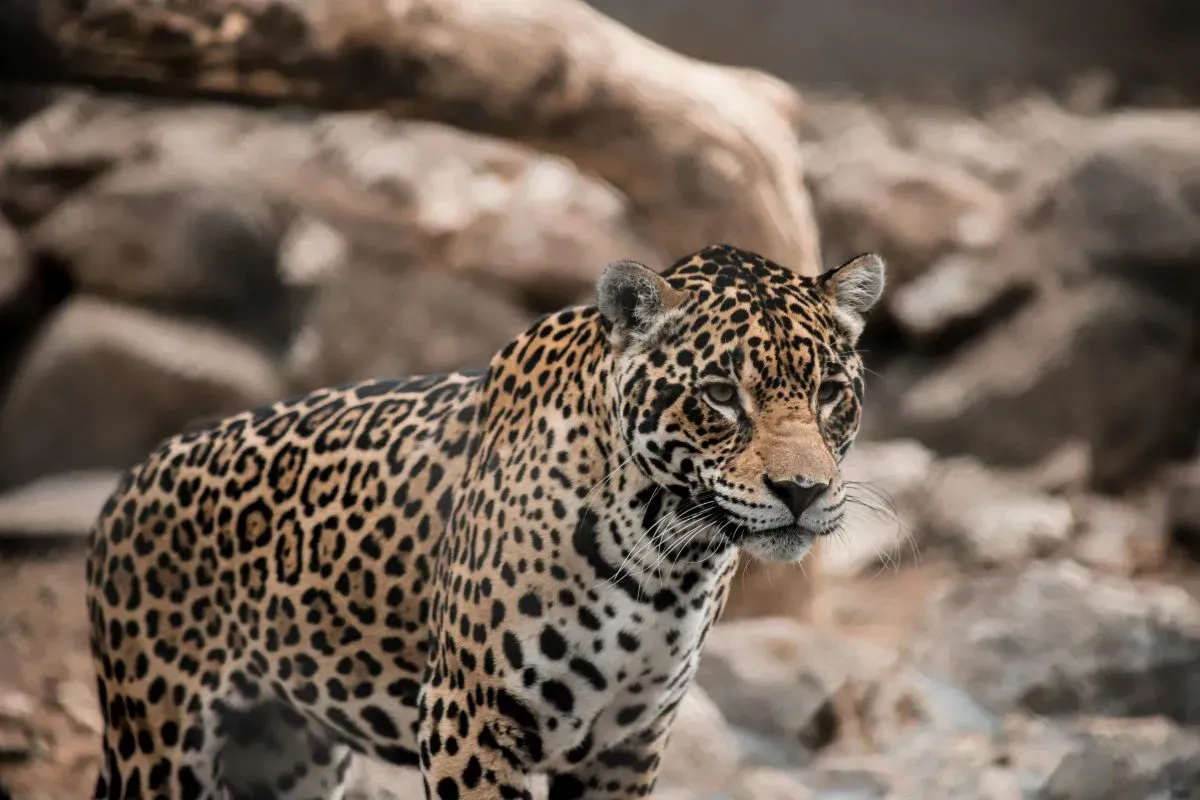
Panama’s flagship jaguar protection initiative has received the highest possible international evaluation for the second consecutive year. The GEF 7 Jaguars Panama Project earned a “highly satisfactory” rating in the 2024 progress report from the Global Wildlife Program (GWP).
The Ministry of Environment (MiAmbiente) announced the recognition this week. This assessment ranked Panama’s work among 50 projects across 38 nations in Asia, Africa, and Latin America.
Exclusive Achievement in Wildlife Conservation
Ricardo Moreno, president of the Yaguará Panama Foundation, provided context for the award. He stated that only 71 percent of globally evaluated projects received a “satisfactory” score. Panama’s project alone maintained the top tier.
Moreno emphasized the project’s unique consistency. “Between 2019 and 2024, no other project has managed to stay in the ‘highly satisfactory’ category,” he said. “This is an exclusive achievement for the country.” Global Environment Facility (GEF)
“This recognition validates the integrated strategy we are implementing,” said Moreno. [Translated from Spanish] “It is not just about protecting the jaguar. It is about creating a model of coexistence that benefits biodiversity and local communities.”
The project is led by MiAmbiente in coordination with the GWP. It receives support from the United Nations Environment Programme and is executed by the Yaguará Panama Foundation.
Tracking Big Cats and Reducing Conflict
Central goals include conserving jaguars and other wild felines by establishing biological corridors. The initiative also focuses on population monitoring and reducing human-wildlife conflict. Work currently spans 859 hectares across ten cattle farms in the Darién and Chepo regions.
There, the project improves farming systems and provides technical assistance. It promotes a more balanced coexistence with predators. Scientific research forms a core pillar of the effort.
Researchers have captured eight jaguars in the medium basin of the Chucunaque River in Darién for study. They fitted the animals with GPS collars to track movement patterns. Data shows male jaguars range across territories between 3,500 and 13,000 hectares.
A monitored puma used a territory of at least 90,000 hectares. Since the project began in 2018, camera traps have recorded 17 different jaguars. The footage includes females with cubs, indicating active reproduction in ranch lands.
The project generates global environmental benefits. It restores priority habitats and strengthens ecological connectivity across the isthmus. This work extends from Chagres National Park to the Darién National Park, a UNESCO World Heritage site.
National Census and Future Plans
Significant advances include a geospatial analysis of nearly three million hectares. This study assessed land use changes between 2018 and 2022. Teams also completed the first phase of a national jaguar census.
That phase covered nine study areas spanning 141,000 hectares. Biologists installed 794 camera traps. Analysis of 87,644 video clips allowed an estimate of approximately 370 jaguars in the country’s eastern region.
Moreno outlined upcoming phases. Plans include a second census in western Panama focusing on jaguars and their prey. The project also aims to build Panama’s first conservation and research center dedicated to wild felines.
Panama is home to six species of wild cats. The jaguar, puma, ocelot, margay, jaguarundi, and oncilla all face threatened status. The project’s model offers a path for their survival, blending science with community engagement. Success here could influence conservation strategies for other large predators worldwide.
Protecting these corridors is vital for regional ecology. It supports broader parque nacional connectivity efforts across Central America. The continued high rating secures Panama’s reputation as a leader in implementing effective, science-driven conservation.