


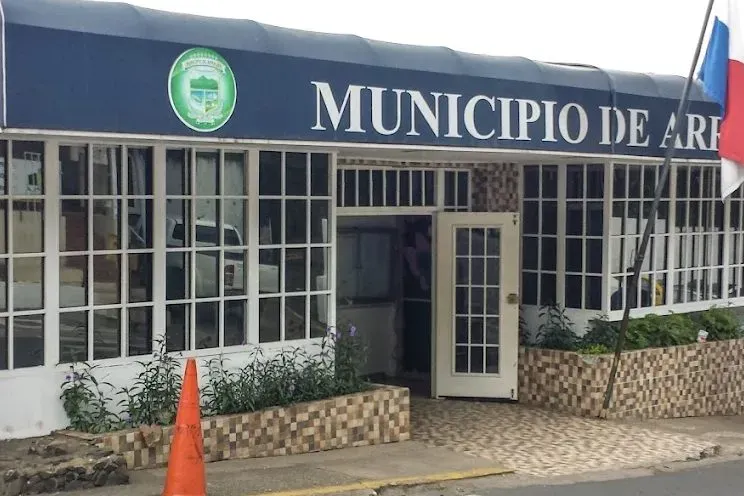
Local officials in Panama have publicly distanced themselves from the controversial demolition of a monument honoring the nation’s Chinese community. The majority of councilors in the Municipal Council of Arraiján issued a formal statement expressing regret over the incident while clarifying they played no part in the decision. The structure, located near the iconic Bridge of the Americas, was torn down last week, sparking immediate political and social backlash.
The council’s statement aims to quell growing anger by formally recognizing the historical and cultural value of the demolished tribute. Officials emphasized the deep contributions made by Panamanians of Chinese descent over many generations. This demolition has ignited a broader conversation about cultural preservation and the processes behind urban development decisions in the region.
Council Seeks to Clarify Record Amid Public Outcry
In their communication, the councilors were explicit about their lack of involvement. They stated the decision to remove the monument was made without their prior knowledge or consent. This clarification comes directly from the elected body representing the district where the monument stood for years.
“We clarify that the majority of councilors did not have prior knowledge or participation in this decision, a situation we sincerely regret.” [Translated from Spanish]
The council’s declaration of regret is a direct response to the swift condemnation from community leaders and national officials. Panama’s national government has already ordered the monument’s immediate restoration on the same site, underscoring the sensitivity of the issue.
Officials Highlight Enduring Contributions of Chinese Panamanians
Beyond addressing the demolition, the council’s message served to honor the Chinese community in Panama. The statement deliberately highlighted the group’s integral role in shaping modern Panama. Councilors pointed to their social, cultural, and economic impact as a foundational element of the nation’s progress.
“We recognize and value the important historical, cultural, and social contribution of the Chinese community in Panama, a community that forms an essential part of our country and deserves all our respect.” [Translated from Spanish]
This public affirmation of respect is seen as a crucial step in repairing relations. The council extended its solidarity to the more than 300,000 Panamanians of Chinese origin, noting their daily work and traditions continue to drive national development.
The political repercussions from this event are still unfolding. By publicly separating themselves from the demolition order, Arraiján councilors are attempting to manage the local fallout. Their statement concludes with a renewed commitment to peaceful dialogue and coexistence among all Panamanian communities. The incident reveals the delicate balance between urban planning and cultural heritage, a challenge now placed squarely before local and national authorities as restoration plans begin.