


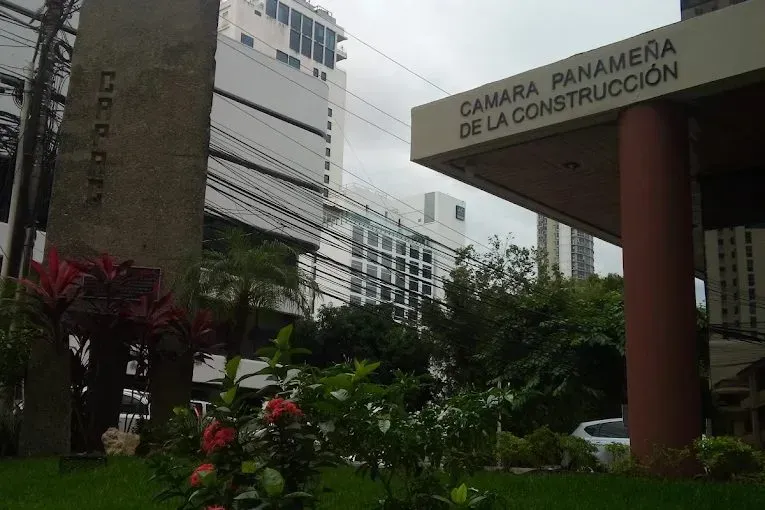
The Panamanian Chamber of Construction (Capac) has signed a new three-year collective bargaining agreement with a coalition of seven construction unions. The deal was formally registered on January 2, 2026, following direct negotiations mediated by government labor officials.
📑 Table of Contents
This agreement covers the vast majority of formal construction workers in Panama and establishes wage and benefit terms through January 2029. It replaces a previous pact that expired at the end of 2025, providing immediate stability for a sector critical to the nation’s infrastructure development.
Negotiation Process and Union Coalition
According to the Panamanian Chamber of Construction, the new contract resulted from a petition presented by the union coalition on December 31. The negotiating process occurred through direct talks with mediation provided by the Ministry of Labor and Labor Development (Panama). This method follows established procedures within the country’s Labor Code.
The union coalition is led by the Union of Construction Workers of Panama (Sinticopp). Six other labor organizations joined the negotiations: Untraics, Sitracona, Sintracoapa, Sitradeico, Uticap, and Utracap. Capac represented employers through a commission of authorized representatives from construction sector companies.
“This agreement was achieved after the new union counterpart formally presented its petition package on December 31,” Capac stated in an official release. [Translated from Spanish]
The chamber emphasized its longstanding practice of conducting collective bargaining agreement negotiations under this framework. It claims this approach respects labor rights while promoting stability in formal employment within the volatile construction industry.
Contract Terms and Industry Impact
This new collective agreement is valid for exactly three years, running from January 2, 2026, to January 2, 2029. It builds upon the foundation of the previous convention, guaranteeing respect for rights already acquired by workers. Specific details regarding wage increases, benefits, and working conditions were not immediately disclosed in the initial announcement.
The successful negotiation avoids potential work stoppages that could have delayed major projects. Panama currently has several high-profile infrastructure endeavors underway, including the monumental Fourth Bridge over the Panama Canal. Labor peace is considered essential for meeting project timelines and maintaining investor confidence.
“Throughout its institutional trajectory, [Capac] has conducted collective bargaining processes under this same scheme, respecting labor rights and promoting the stability of formal employment in the industry,” the chamber’s statement noted. [Translated from Spanish]
Industry analysts view the timely agreement as a positive signal. It suggests both employers and unions recognize the current economic climate’s challenges. They chose negotiation over confrontation, a move that benefits the entire national economy.
The construction sector remains a primary engine for Panama’s GDP and employment. This agreement directly affects thousands of workers and hundreds of companies. It provides a predictable cost structure for contractors bidding on both public and private projects for the coming three years.
Final ratification steps are now administrative. The signed document is with the Ministry of Labor, ensuring its terms are legally enforceable for the agreement’s duration. Union leaders are expected to communicate specific details of the wage scales and benefit improvements to their members in the coming days.