


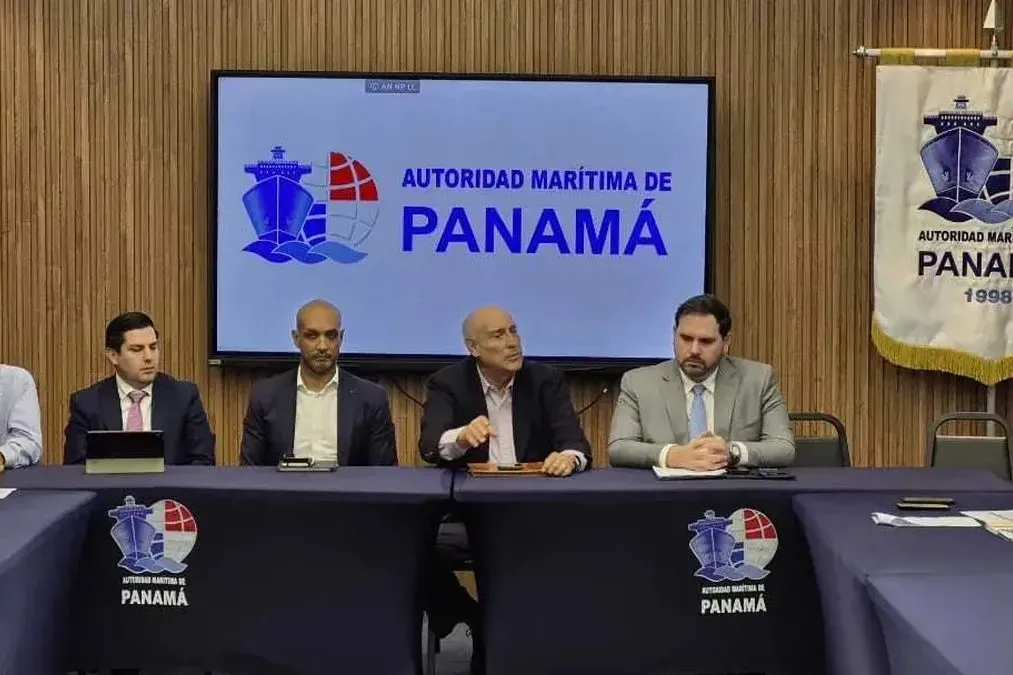
Panamanian officials will increase maritime inspections in Colon Province starting January 2026. The Panama Maritime Authority (AMP) and local leaders agreed on the new measures to regulate passenger and cargo movements.
This decision follows a high-level meeting focused on improving oversight at the Miramar docking area. That specific location has frequently served as an arrival point for migrants and other maritime traffic. The enhanced protocol aims to ensure all vessels operating in the region possess proper permits and adhere to strict safety codes.
“Inter-institutional coordination seeks to strengthen control, order, and security in the area, as well as to ensure responsible and properly regulated maritime operations,” said Alexander De Gracia, Deputy Administrator of the Panama Maritime Authority. [Translated from Spanish]
Authorities plan to deploy more AMP inspectors to the Miramar dock to enforce the rules. Their primary mandate involves verifying that boats hold current operational licenses and that captains maintain valid certifications. This move directly addresses concerns over unregulated and potentially dangerous sea travel in the province.
Local Government Backs New Security Framework
Colon Province Governor Julio Hernandez expressed strong support for the AMP’s plan. He described the collaborative meeting as highly productive for local security efforts.
“We have had very positive feedback and the Authority has provided us with parameters that will allow us to reinforce the decree that seeks to strengthen security measures in the ports,” Governor Hernandez stated. [Translated from Spanish]
The decree he referenced is a local regulation designed to tighten port security across Colón Province. Hernandez indicated the AMP’s technical guidelines will directly inform how that decree is implemented on the ground. This alignment between national and provincial authorities is considered crucial for the plan’s effectiveness.
Officials from both agencies agreed the coordinated actions will improve surveillance at key docking points. The ultimate goal remains guaranteeing safer transfers for all people and goods moving through these waters. Compliance with Panama’s existing national maritime regulations forms the foundation of the entire initiative.
Focus on Licensed Vessels and Certified Crews
A core component of the strategy involves restricting maritime transfers exclusively to properly documented boats. The AMP repeatedly emphasized this point during discussions. Illegal or informal passenger services pose significant safety risks and will be the primary target of the increased inspector presence.
Authorities did not specify the exact number of additional inspectors assigned to the Miramar post. They confirmed the January 2026 start date allows time for necessary logistical planning and personnel training. The focus on captain licensure ensures accountability and professional oversight for every voyage.
These steps are part of a broader push to standardize maritime security protocols in sensitive regions. Panama’s geographic role as a major transit corridor makes such enforcement particularly vital. The AMP believes consistent inspection and visible authority will deter non-compliant operators.
Local communities and shipping operators can expect a more structured regulatory environment in two years. The authorities promise these measures will foster safer and more reliable maritime operations for everyone involved. The success of the program will depend heavily on sustained cooperation between the AMP and provincial government.