


The Panamanian government has added eight more chemicals to its national prohibition of highly hazardous pesticides. Officials announced the new restrictions this week, bringing the total number of banned agricultural pesticides to twenty since President Jose Raul Mulino took office. The move aims to protect public health and align the country with international chemical safety standards.
A new resolution, published in the official gazette on January 20, 2026, formally prohibits the registration, import, manufacture, sale, and use of eight specific compounds. The banned substances are Alachlor, Benomyl, Carbaryl, Endosulfan, Formaldehyde, Imazalil, Propachlor, and Spirodiclofen. This action follows an earlier ban on twelve other highly toxic pesticides implemented at the beginning of 2025.
Coordinated Technical Review Drives Decisions
The selection of these pesticides resulted from a coordinated technical analysis by the Pesticide Technical Commission (COTEPA). This panel includes specialists and technicians from the agricultural sector, with key roles played by ministers Juan Carlos Navarro of Environment, Fernando Boyd Galindo of Health, and Roberto Linares of Agricultural Development. Their interinstitutional effort focuses on mitigating health risks linked to toxic herbicides, fungicides, and insecticides.
“This list will continue to grow as the commission conducting the investigations advances in its evaluations,” said Agricultural Development Minister Roberto Linares. [Translated from Spanish]
Minister Linares emphasized that the priority is ensuring Panamanians consume fresh and healthy products. The government’s strategy directly responds to the risks posed by highly hazardous pesticides (HHPs), which are linked to severe health and environmental consequences. Several of the newly banned substances, like Formaldehyde, are classified as carcinogenic by agencies such as the International Agency for Research on Cancer (IARC).
Aligning with Global Bans and Environmental Health
Panama’s latest list reflects a global trend, with many of the pesticides already prohibited in dozens of other nations. For instance, the insecticide Endosulfan is banned in 140 countries according to Pesticide Action Network data. The 2025 ban targeted substances used as nematicides, bactericides, and insecticides, including Dichloropropene, Aldicarb, and Cadusafos. Officials state these actions align Panama with international chemical safety conventions.
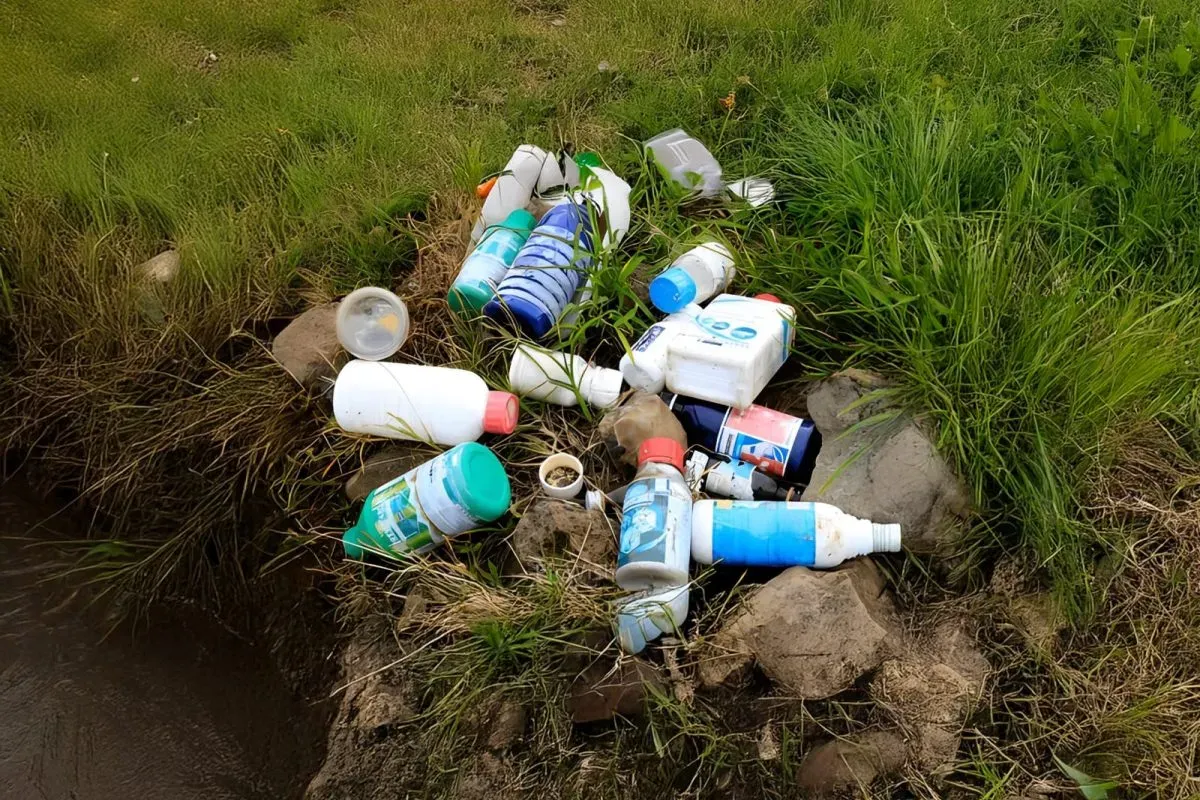
Parallel to the prohibition efforts, the government is drafting a decree to regulate the management of empty pesticide containers. This regulation would target the industry that imports and distributes agricultural chemicals, addressing the full lifecycle of these hazardous products. The combined approach tackles both the immediate use of toxins and their long-term environmental residue.
This policy shift occurs within a broader context of agricultural and environmental challenges in Panama. Recent conflicts, such as those highlighted in discussions involving figures like roberto linares, underscore the tension between farming livelihoods and safety standards. Environmental pressures, including water scarcity issues in regions like Azuero detailed by officials including fernando boyd galindo, further complicate the agricultural landscape.
The immediate impact mandates that farmers and agricultural suppliers halt all use and trade of the listed chemicals. The Ministry of Agricultural Development is expected to oversee the phase-out and promote safer alternatives. This decisive regulatory step signifies a major shift toward sustainable agriculture and public health protection in Panama.