


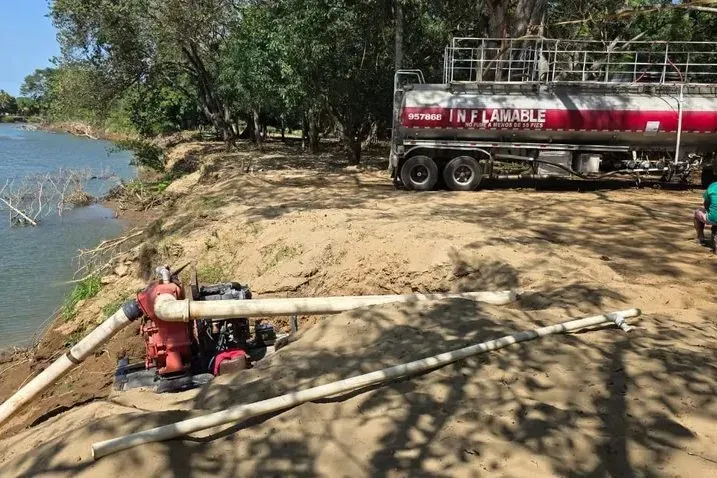
The Panamanian Ministry of Environment has issued a temporary permit for the extraction of surface water from specific rivers for recreational use during the upcoming 2026 Carnival. Officials announced the resolution this week, aiming to balance festive traditions with critical water resource protection during the country’s dry season.
This regulatory move, formalized by Resolution DM-0028-2026, creates a legal framework for a common practice. It seeks to prevent the unauthorized and potentially damaging use of water from protected underground sources. The policy applies to all Carnival and “Carnavalitos” events scheduled for next year.
“The extraction will only be allowed in rivers, streams, and bodies of water previously authorized by MiAmbiente,” stated the ministry’s official announcement. [Translated from Spanish] “These were defined after technical analyses confirm they have sufficient flow and that priority uses, like human consumption supply, are not affected.”
Authorized extraction points are spread across multiple provinces including Bocas del Toro, Colon, Panama Metro, and Chiriqui. The complete list is published within the resolution’s annexes in the Official Gazette of Panama. The gaceta oficial serves as the official record for all government decrees.
Strict Requirements and Enforcement for Water Extraction
Any individual or company wishing to extract water must obtain a temporary permit for each water tanker truck. Requirements are stringent. Applicants must submit a completed form, the tanker’s vehicle registration, identification, a certificate of compliance with the ministry, and pay both a field inspection fee and a water usage tariff.
Requests must be filed with regional ministry offices at least five business days before the planned extraction date. These regional offices will then control the operation. They will set extraction schedules, monitor volumes taken, provide official decals for authorized tankers, and coordinate where any recovered water is deposited after events for community benefit.
The ministry issued an unequivocal ban on using underground water. The prohibition includes wells and aquifers on private property. Using such sources for recreational activities, including the popular “culecos” or water dousing parties, is now completely illegal without exception.
Protecting Resources During Peak Festivity Season
This preemptive regulation addresses the high demand for water during Panama’s largest celebration. The nationally observed Carnival holiday often strains local resources. The dry season conditions typical of February heighten concerns over water security.
Enforcement will be a key component. The Ministry of Environment (Panama) warned that non-compliance will result in fines. Penalties can reach up to 2,000 Balboas under the country’s existing environmental laws. The ministry’s goal is to ensure a sustainable approach to a beloved tradition.
Officials are urging event organizers and the public to respect the new rules. They call for responsible water use to help protect vital hydrological resources. This regulatory action mirrors other governmental efforts to manage public resources, similar to recent operations concerning water for human consumption and community safety.
The success of this framework likely depends on public cooperation and consistent monitoring. With the 2026 festivities still on the horizon, authorities have time to refine the process and communicate requirements to potential users across the nation.