


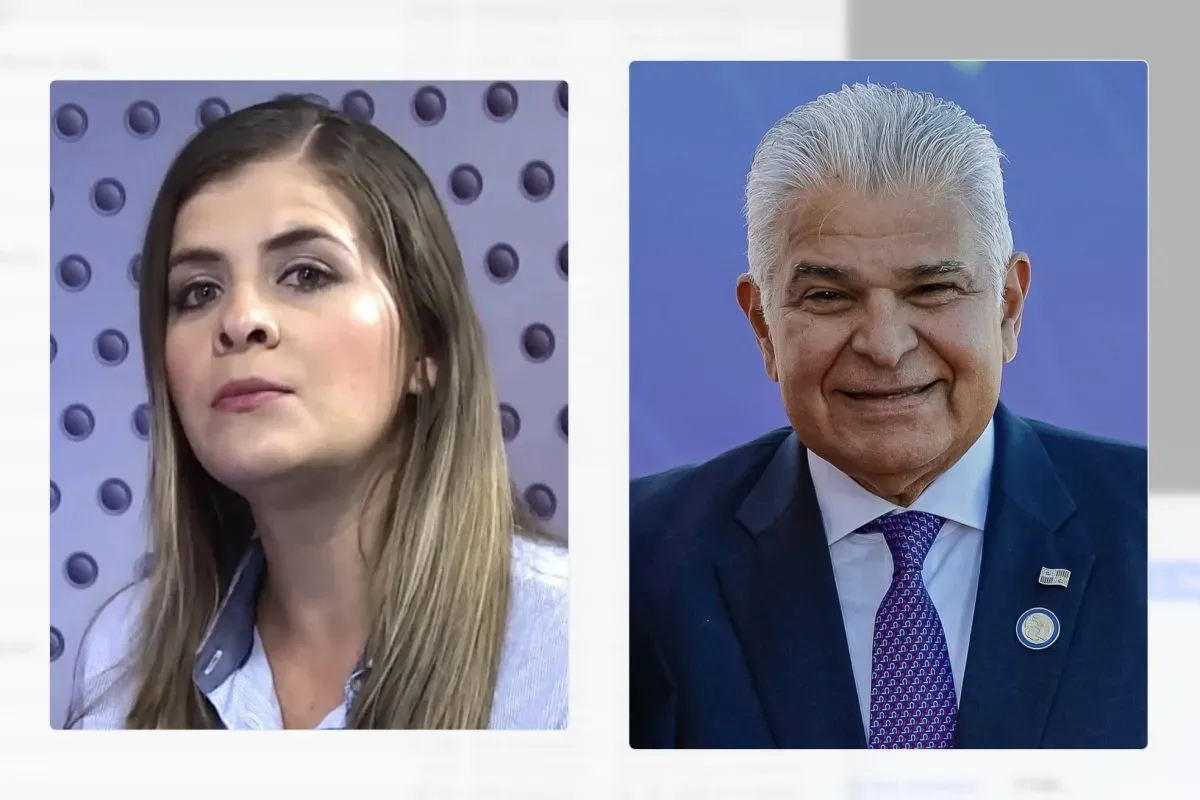
Panamanian President José Raúl Mulino formally congratulated Costa Rica’s president-elect, Laura Fernandez, on Monday. He pledged to strengthen bilateral cooperation following her decisive electoral victory this weekend.
📑 Table of Contents
Mulino extended his wishes through a public message on the social media platform X, formerly known as Twitter. His statement emphasized a continued partnership between the two neighboring Central American nations. The gesture underscores Panama’s immediate diplomatic outreach to the incoming administration in San Jose.
“I congratulate @laurapresi2026 on her triumph. I wish her success in her management and invite her to continue working together, increasingly integrated, for the benefit of our countries.”
[Translated from Spanish]
Official results from the Supreme Electoral Tribunal (Costa Rica) show Fernandez secured a first-round victory. With nearly 90 percent of ballots counted, she captured 48.5 percent of the vote. This total exceeded the 40 percent threshold required to avoid a runoff by a significant margin.
A New Political Chapter for Costa Rica
Laura Fernandez’s win concludes an election campaign focused heavily on economic stability, governance, and social policy. She will now lead a country facing pressing fiscal challenges and regional integration demands. Her victory marks a distinct political shift for Costa Rica, setting the stage for her four-year term beginning in May.
The president-elect’s agenda is expected to address complex domestic issues while navigating international relationships. Regional analysts note her administration will need to balance social development goals with economic constraints. This context makes early diplomatic support from key neighbors like Panama particularly valuable.
Panama and costa rica share a long border and a history of collaborative efforts. Their bilateral relationship is built on shared security concerns, commercial ties, and regional integration frameworks. Efficient cross-border transit remains a constant priority for both governments and their citizens.
President Mulino’s prompt congratulation signals a desire for policy continuity and reinforced alliance. The Government of Panama appears keen to maintain a joint agenda on transnational issues. These include trade, security, and managing migration flows through the Central American isthmus.
Regional Coordination on the Horizon
Fernandez is scheduled to be inaugurated on May 8. Her presidency begins during a period that demands increased coordination among Central American leaders. Common challenges like economic recovery, climate vulnerability, and social inequality require multilateral approaches.
Mulino’s outreach suggests Panama views Costa Rica as an essential partner in this regional dynamic. The two economies, while sometimes competitive, are deeply interconnected. Stable and productive relations directly impact investment confidence and development projects affecting both populations.
Observers will now watch for early meetings between the two leaders to set a tangible work plan. The tone set in the coming months could influence broader Central American cooperation forums. For now, the diplomatic channel is open, with Panama officially welcoming Costa Rica’s new political direction.