



Panama’s Energy Secretariat confirmed a new fuel price adjustment will take effect Friday, October 16, forcing consumers to absorb higher diesel costs just as the country begins recovering from a severe earthquake. The timing underscores how global fuel volatility continues to strain households already facing crisis conditions.
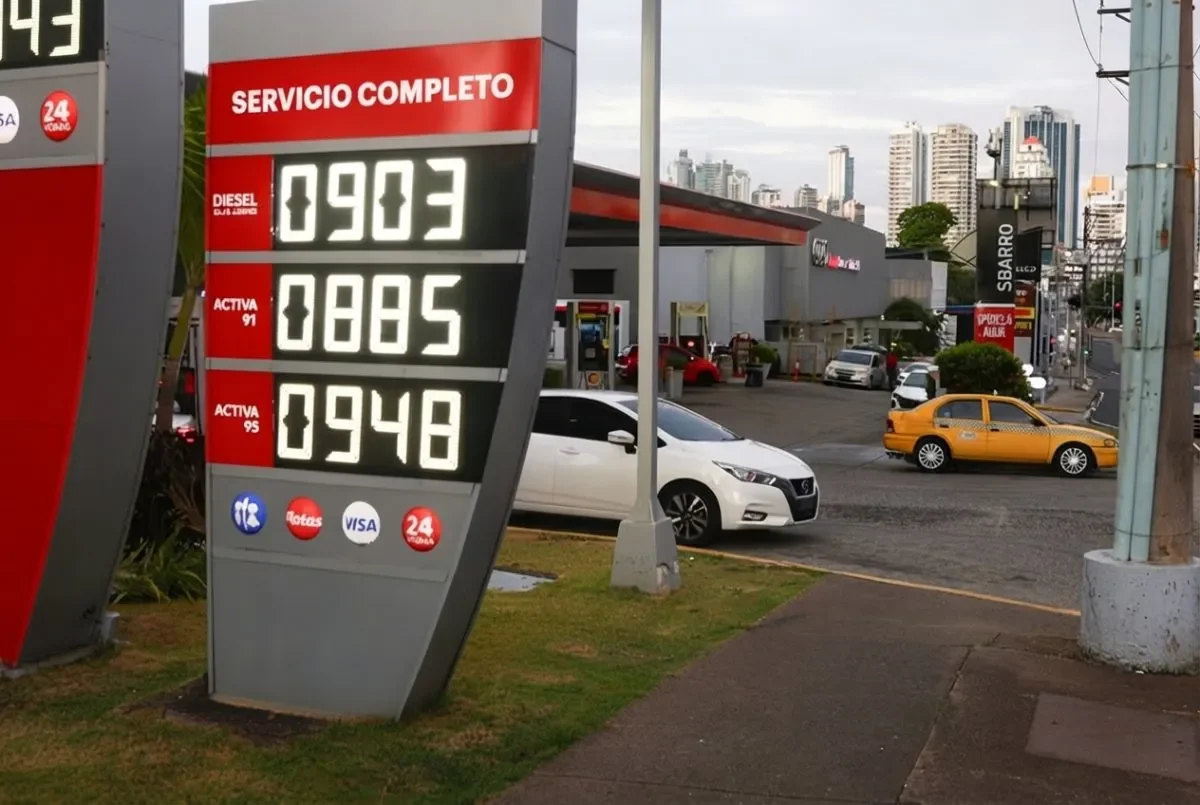
Under the official schedule, 95-octane gasoline holds steady at 1.424 per liter. But low-sulfur diesel rises 0.01 cents to 1.52 per liter, while 91-octane gasoline drops 0.04 cents to 1.28 per liter. The changes apply nationwide starting Friday.
Nuevos precios del combustible en Panamá: gasolina de 91 baja y diésel sube este viernes https://t.co/8O0lFb1VKP
— Telemetro (@Telemetro) October 14, 2026
Fuel Price Adjustment Details and Immediate Consumer Impact
The diesel increase, though modest on paper, compounds transportation and logistics costs across a country still assessing earthquake damage. Diesel powers emergency generators, relief trucks, and reconstruction equipment. Any upward pressure on that fuel directly affects recovery timelines and the cost of basic goods.
For regular drivers, the 91-octane reduction offers slight relief at the pump. But analysts note that savings remain marginal against broader inflationary pressures. The 95-octane freeze means most urban commuters see no change in their weekly fuel spending.
Global Fuel Crisis Reaches Panamanian Households
The price shifts arrive amid a prolonged global fuel crisis triggered by ongoing wars and supply chain disruptions. Crude markets have stayed volatile for months, with refining costs and distribution bottlenecks pushing retail prices higher across Latin America. Panama imports nearly all its refined fuels, leaving it exposed to international price swings.
Energy officials emphasized that the adjustment reflects external market conditions, not domestic policy changes. The Secretariat’s pricing formula tracks regional benchmarks and currency fluctuations. Still, for families already stretched by earthquake recovery expenses, the timing feels particularly harsh.
Earthquake Recovery Meets Rising Operational Costs
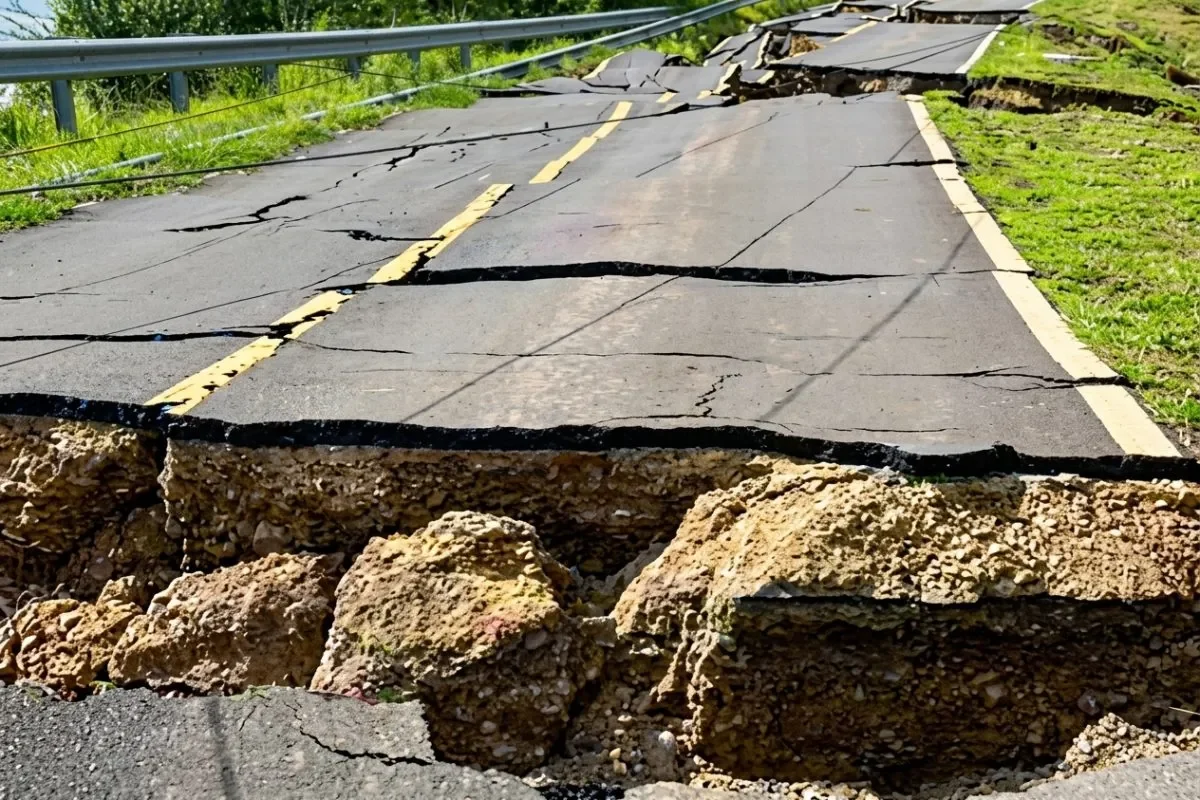
The earthquake that struck days before this announcement damaged infrastructure in several provinces. Repair crews now face higher diesel bills for heavy machinery and transport. Local businesses relying on backup generators will also see operating costs climb slightly.
Relief organizations have flagged fuel access as a critical concern. Any sustained increase in diesel prices could slow the delivery of water, food, and medical supplies to affected communities. Municipal governments are monitoring the situation closely as they allocate emergency budgets.
Ultimately, the modest price changes mask a deeper vulnerability. Panama’s dependence on imported fuel means external shocks, whether seismic or geopolitical, land quickly on consumers. The Energy Secretariat said it will continue monitoring global markets and adjust prices accordingly in the coming weeks.