


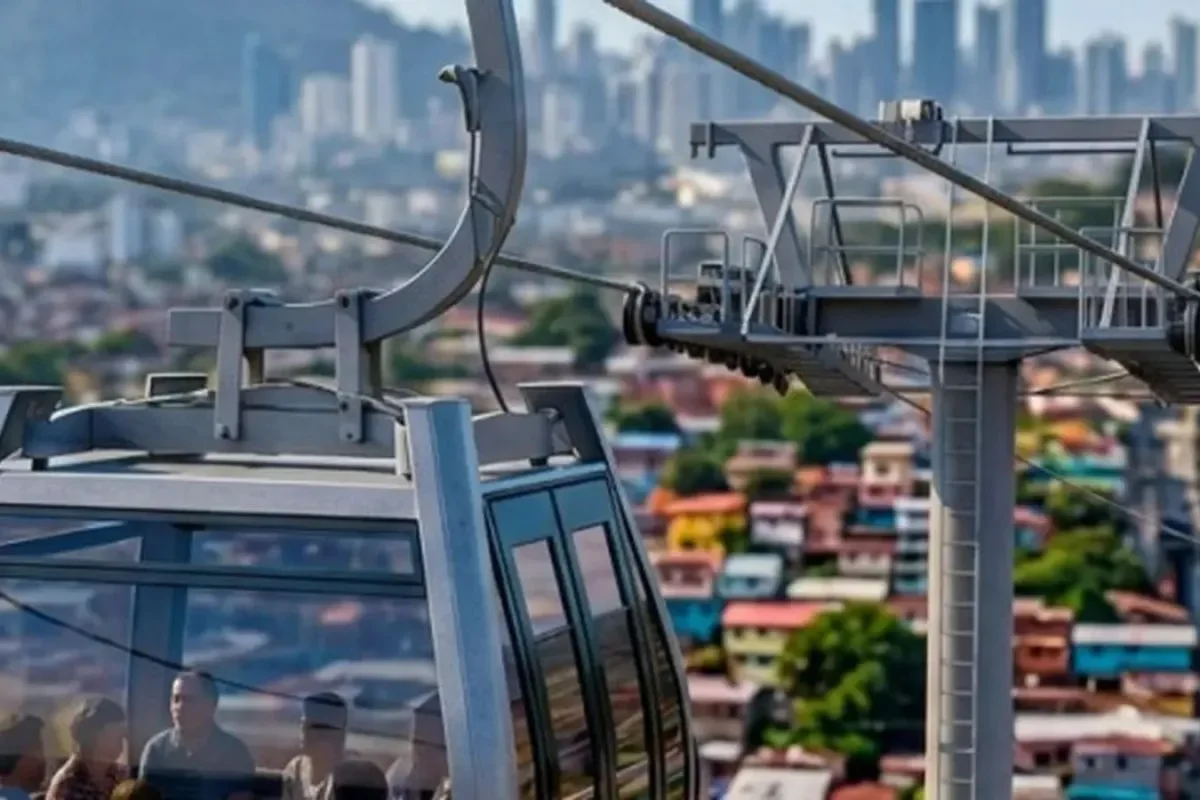
President José Raúl Mulino officially delivered the order to proceed for the long-awaited Panama cable car project in San Miguelito on Tuesday, clearing the way for construction to begin on a transit system designed to slash commute times for thousands of residents. The ceremony marks a formal green light for the $255 million infrastructure investment, which had already received the required endorsement from the Comptroller General’s Office.
The president addressed concerns that the October 9 earthquake affecting interior provinces could stall major public works. He insisted that government projects would not be postponed, even as recovery efforts continue for affected families. The country must keep functioning, Mulino said, noting that generating employment and maintaining optimism remains essential alongside the humanitarian response.
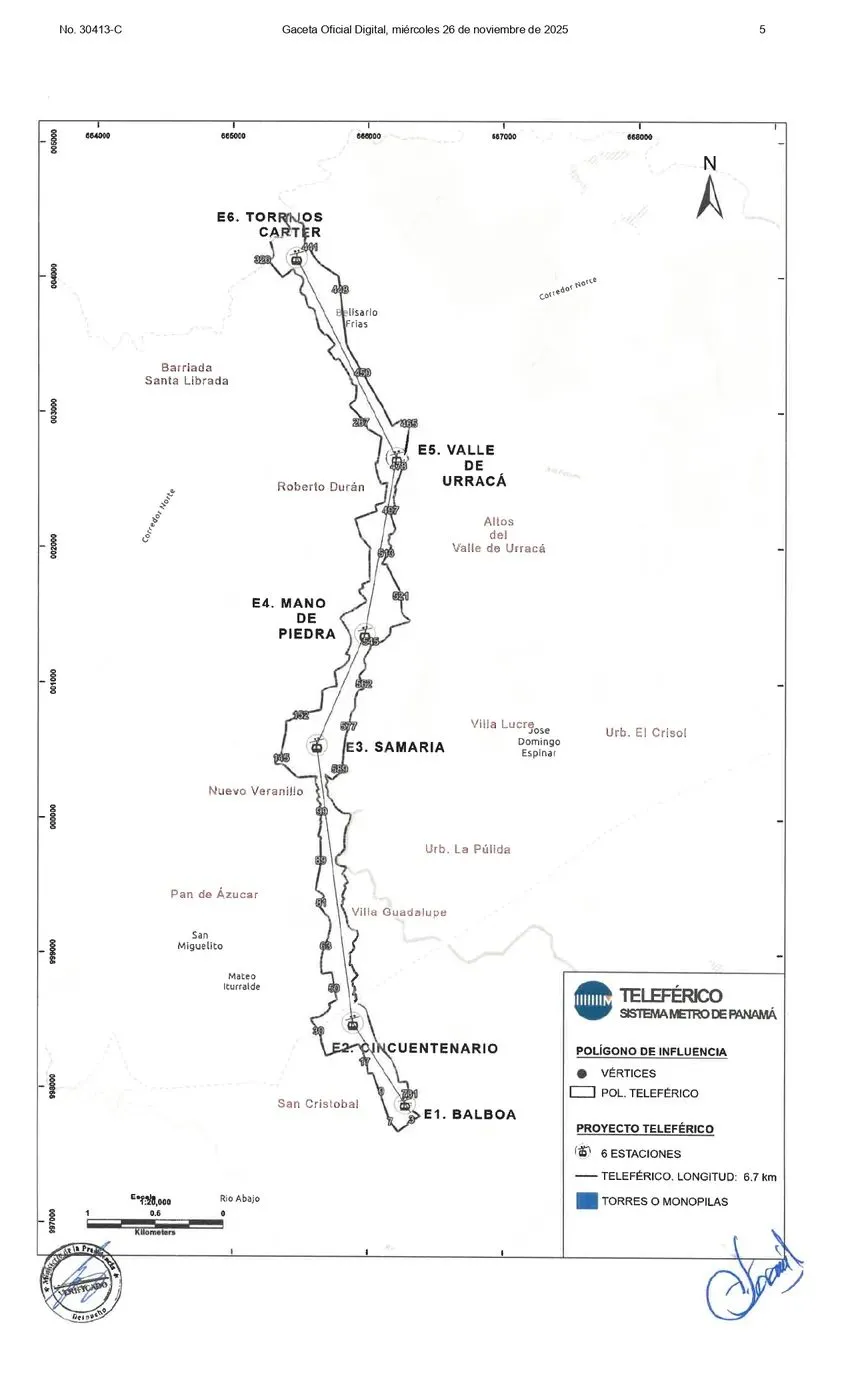
Panama Cable Car Route and Station Network
The aerial tramway will stretch approximately 6.6 kilometers across San Miguelito, connecting six stations to the existing Panama Metro system. The line terminates at the Cincuentenario station on Line 2, creating a direct interchange for commuters heading toward the city center. Communities such as Samaria, Torrijos Carter, Mano de Piedra, and Valle de Urracá stand to benefit most from the new connection.
Mulino highlighted that this particular order to proceed brings him the greatest satisfaction of any delivered during his administration, citing the project’s adherence to its established timeline. He stressed the importance of the contractor meeting deadlines and executing the work efficiently, with particular focus on passenger comfort once operations begin.
Economic Impact and Broader San Miguelito Plan
Beyond mobility improvements, the cable car forms part of a wider action plan for the district. Mulino outlined complementary initiatives including the delivery of the San Isidro health center, expanded waste collection services, the opening of a Silos store in Pan de Azúcar, and increased transportation routes. These measures aim to address multiple quality-of-life concerns simultaneously across the densely populated district.
Mayor Irma Hernández expressed enthusiasm for the megaproject, emphasizing both the mobility transformation and the employment opportunities it will generate for local residents. The construction phase alone is expected to create jobs for workers in the surrounding communities, providing an economic boost before the system even begins carrying passengers.
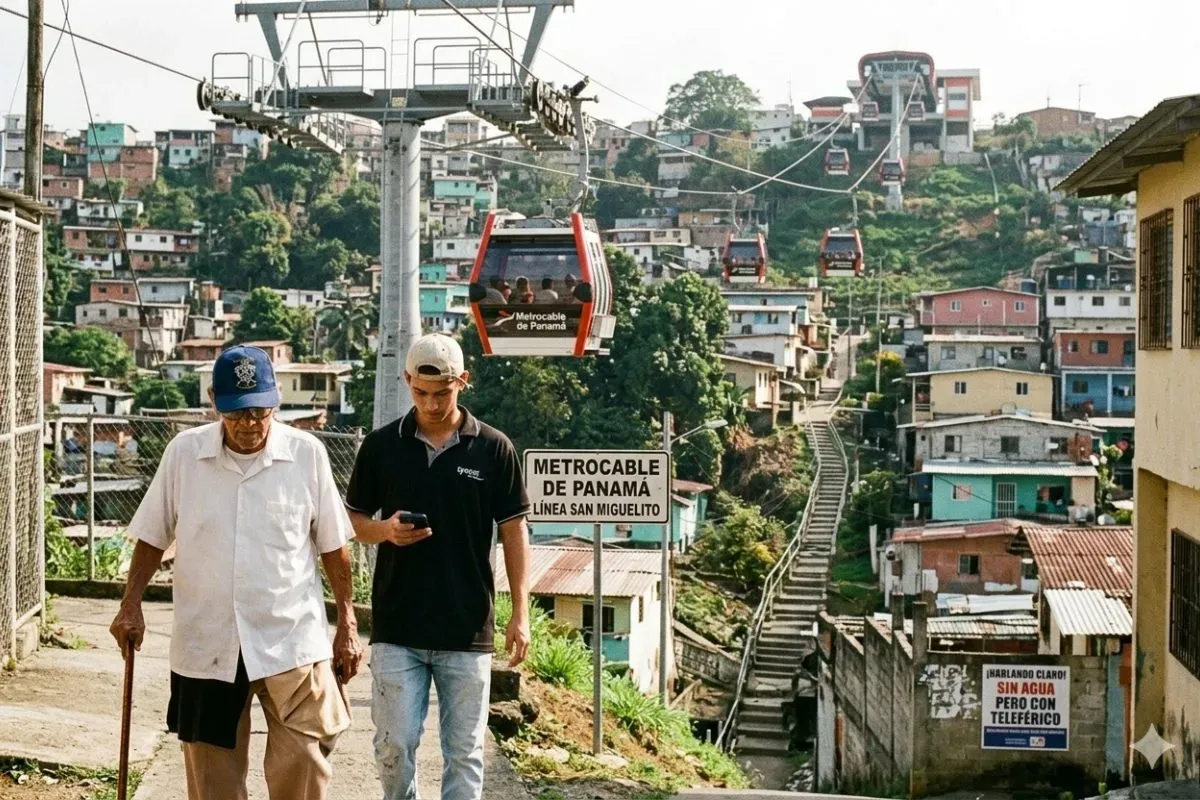
Official Statements on the Panama Cable Car Project
“The important thing is that the quality of life will improve for thousands and thousands of people who today lose many hours in traffic” [Translated from Spanish]
Mulino framed the project as a direct response to chronic congestion that drains hours from residents’ daily routines. The cable car offers an alternative transport mode that bypasses ground-level traffic entirely, a critical advantage in a district known for bottlenecks during peak hours.
“The country has to function, there is already an important agenda of recovery and attention to the Panamanians who are affected in the interior, but the country has to move on the other side too, generating work, with optimism” [Translated from Spanish]
The president’s remarks signal a dual-track approach to governance, balancing disaster relief with continued infrastructure development. By moving forward with major capital projects, the administration aims to demonstrate that national progress continues even amid regional emergencies. The San Miguelito cable car now enters its construction phase with a clear mandate to deliver on schedule.