


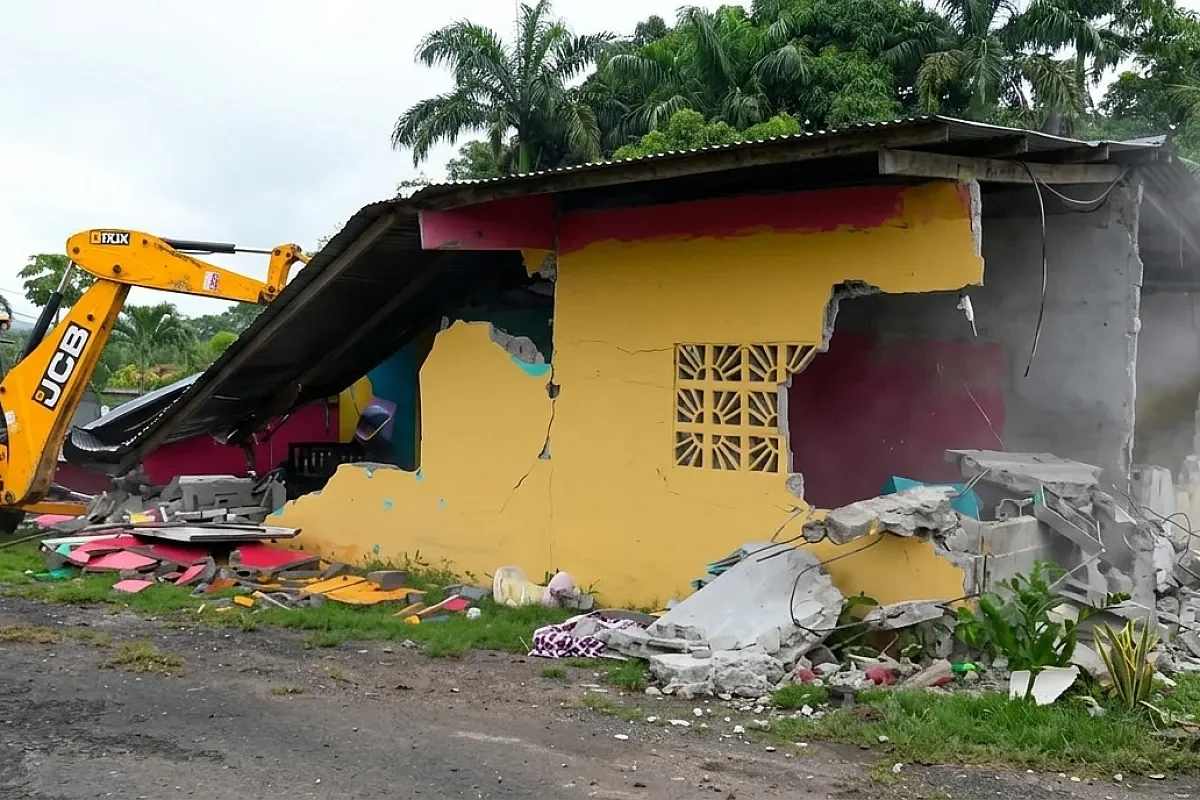
The Ministry of Housing and Territorial Development (Miviot) launched debris removal operations in El Banco, a community in Pesé within Herrera province, marking the first physical step toward housing reconstruction Panama families urgently need after the October 9 earthquake destroyed their homes. Minister Jaime Jované confirmed construction will begin immediately once crews clear the rubble.
Work is moving simultaneously across several affected provinces. Crews in Veraguas have already started five debris removal interventions and one construction process. Coclé saw another removal operation followed by the start of one home. Teams are also active in Chiriquí, the indigenous comarca region, and Los Santos.
Housing Reconstruction Panama Strategy and Contractor Roles
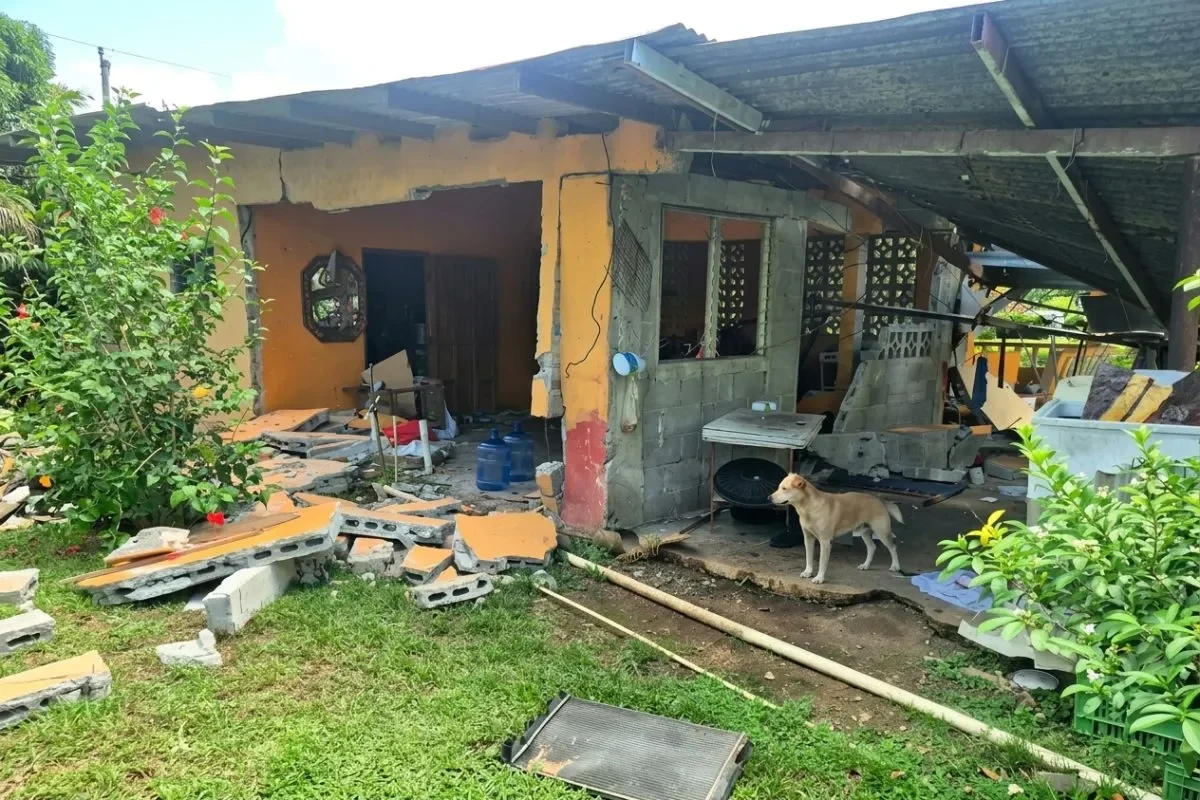
Jované explained that assigned companies will handle the first phase of work, supplying materials and building complete homes from the ground up. Repairs and improvements will use a combination of institutional personnel, equipment, and materials. The minister declined to share census figures on total versus partial damage, saying the focus has shifted from counting losses to rebuilding.
“Yes, we have the census, but we don’t want to talk about that anymore. Now what we want to talk about is how many homes we have started in debris removal, how many we have starting construction, by province” [Translated from Spanish]
The minister added that all families will be attended to, signaling a commitment to move past the assessment phase into active recovery. He acknowledged the earthquake exposed weaknesses in local construction practices.
“We have to be much, much more attentive to the form and construction of their housing solutions in each of these communities” [Translated from Spanish]
Survivor Accounts From the Earthquake Zone
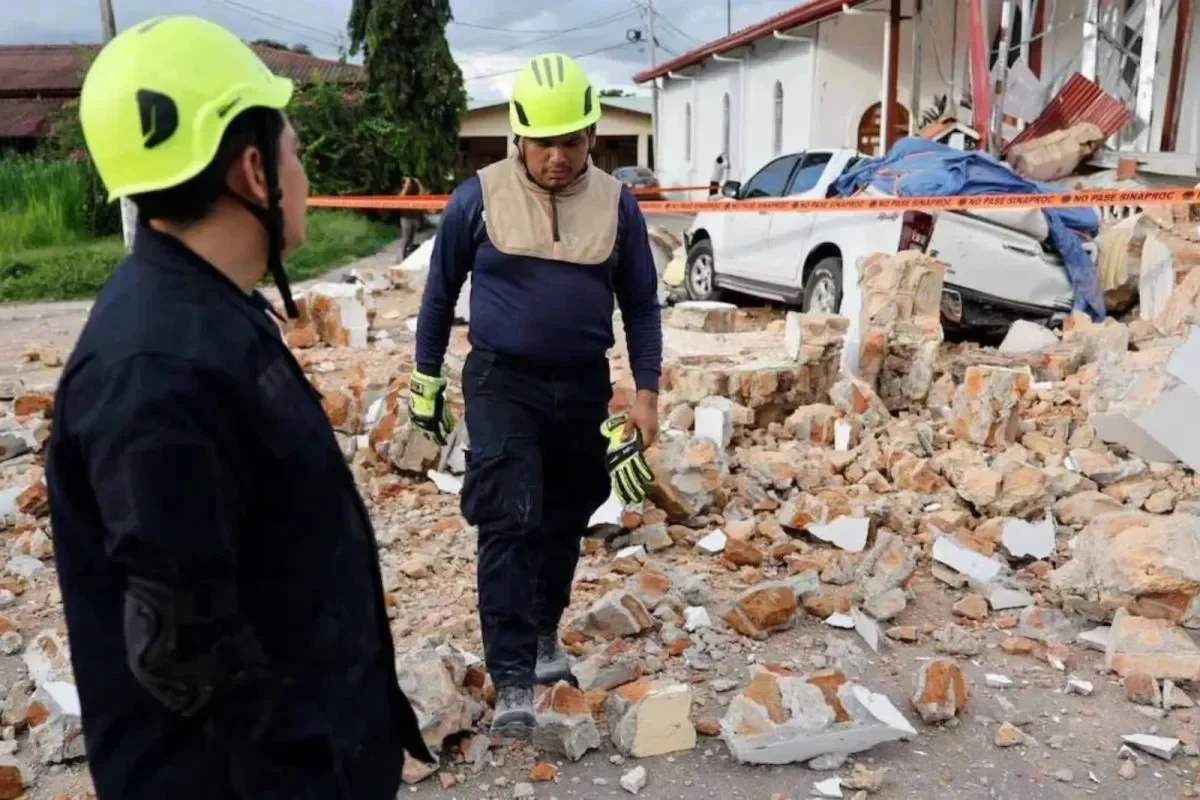
Yaxiel Samaniego lost her home in El Banco while she was in Chitré buying items for her son Tiago’s birthday. The house collapsed with the first tremor, according to neighbors who witnessed it. Samaniego said if her family had been home, they likely would not have survived.
“When I arrived and saw it like that, my God, give me only the strength to endure this” [Translated from Spanish]
Using part of the roof that remained, parents from the community helped her build a makeshift shelter. She now stays there with her husband and young child while waiting for a new home. Samaniego said she heard a 45-day delivery timeline mentioned, though government authorities have not confirmed that deadline to her directly.
Regional Recovery Timeline and Next Steps
The earthquake left one person dead, affected more than 13,000 people, and destroyed homes for 879 families across Panama’s central provinces. The disaster response now enters a critical phase as Miviot coordinates debris removal with immediate construction starts. The use of private contractors suggests an accelerated procurement approach designed to speed up delivery.
Jované’s refusal to discuss census numbers indicates a strategic communications pivot toward visible action rather than statistical updates. For displaced families like Samaniego’s, the priority remains clear: a permanent roof over their heads before conditions worsen. The coming weeks will test whether the ministry’s multi-province mobilization can translate into completed homes at the pace residents need.