


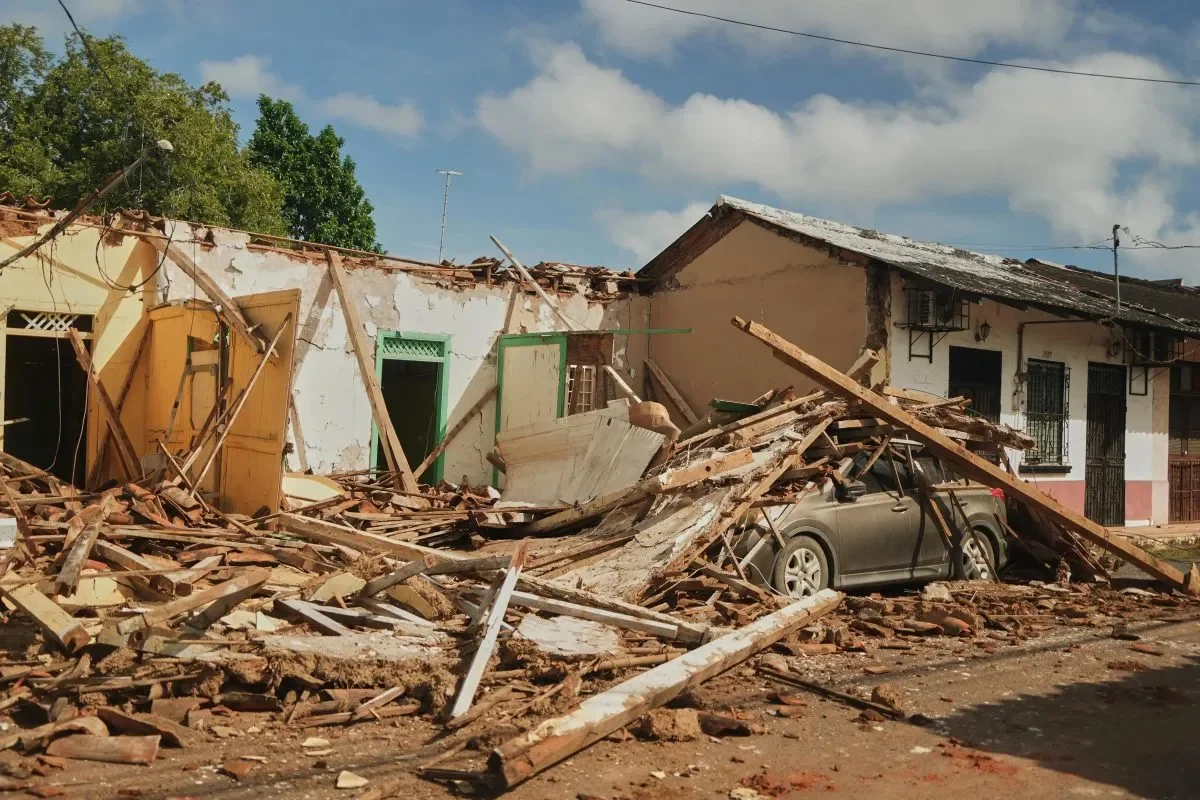
The 9 October earthquake that shook Panama’s central provinces has left an economic wound far deeper than cracked walls and broken roads. The disaster disrupted the central provinces economy, hitting agriculture, livestock, and artisanal production, and now forces a national debate over how to fund a recovery that some economists say could reach $500 million.
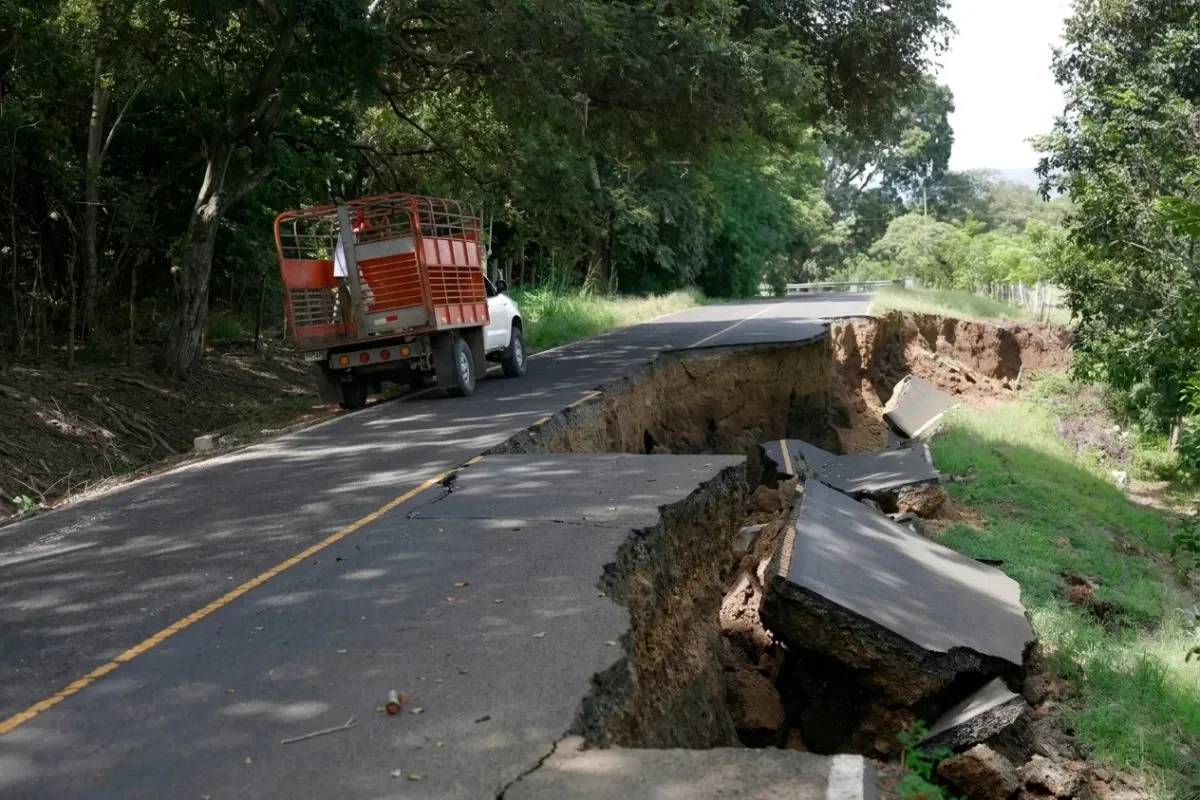
The tremor struck on Friday 9 October, damaging homes, highways, hotels, and workshops across Veraguas, Coclé, and the Azuero Peninsula. Beyond the visible destruction, hundreds of families lost their means of income as small businesses, farms, and pottery kilns were knocked out of operation.
Circulan más videos cuando se registró el terremoto de 7,7 grados en Panamá. Finca El Rincón de El Manantial de Las Tablas, Provincia de Los Santos. Video @drronelsolis Rónel Solís https://t.co/KgdakTONjD
— telebunker (@telebunker_) October 15, 2026
Damage Spreads Across Key Sectors of Central Provinces Economy
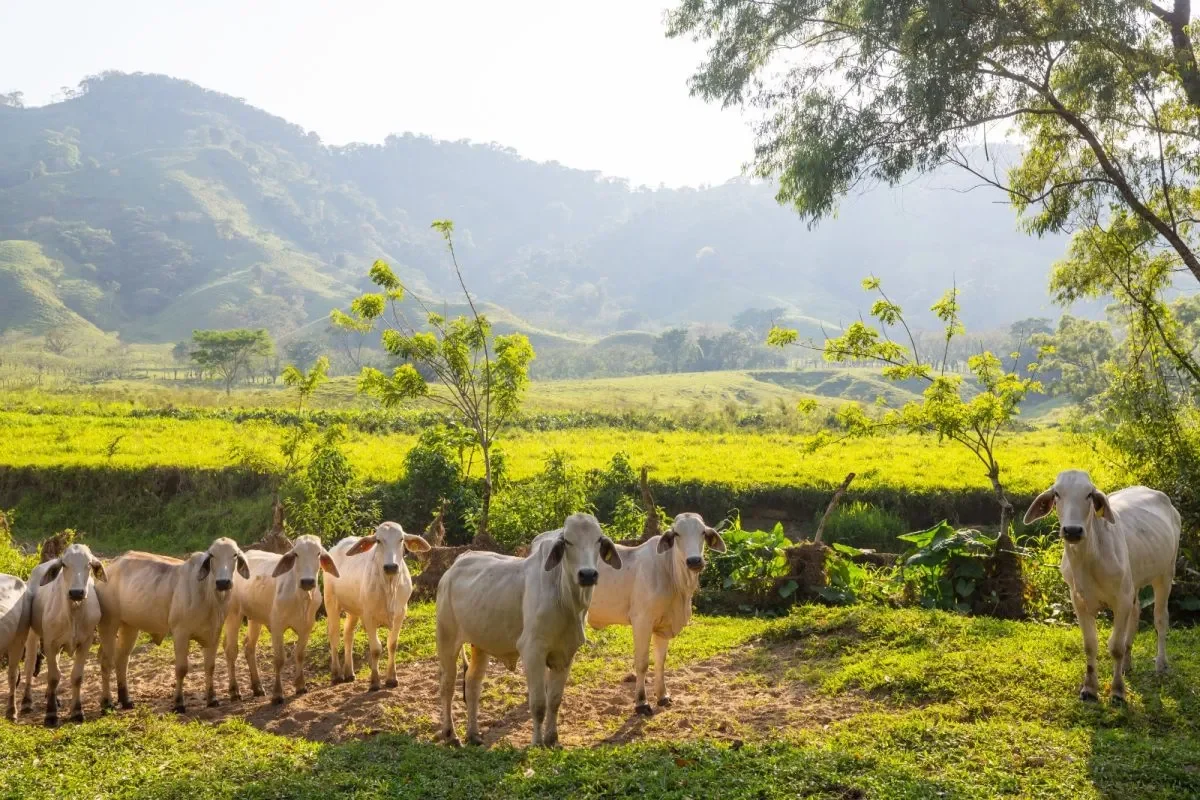
In Soná, the Vásquez family hotel sustained structural damage, forcing a halt to operations. Similar disruptions have rippled through the region’s productive base. Livestock and crop producers report losses that will take months to quantify fully, while cultural industries tied to local identity also suffered severe blows.
Artisans in the pottery trade described a devastating scene.
“The 85% of the kilns in La Arena have collapsed, our work, our culture, our heritage, and it is very sad and hard for us, at least for the potters” [Translated from Spanish]
Economist Luis Morán stressed that recovery cannot focus only on concrete and steel.
“There must be a plan to build capacities and a plan to evaluate economic activities, many economic activities have been lost” [Translated from Spanish]
Government Pledges $100 Million as Cost Estimates Climb
The Ministry of Economy and Finance has committed up to $100 million for affected zones in Azuero, Coclé, and Veraguas, drawing from current and next year budgets. Minister Felipe Chapman said the funds are already secured to address the damage properly.
But independent economists argue that figure falls far short. Ana Patiño, an economist, estimated the true cost at between $400 million and $500 million.
“I feel that maybe those $100 million are a preliminary balance of the damages, but I doubt it is around that amount, it must be around $400 or $500 million” [Translated from Spanish]
Preliminary calculations suggest earthquake losses could equal 0.5% of Panama’s gross domestic product. That scale has pushed discussion toward tapping the Panama Savings Fund, which holds approximately $3.2 billion in reserves.
Financing Options and Private Sector Role in Recovery
The savings fund remains a proposal, not a confirmed source, and forms part of a wider conversation about how to pay for reconstruction without destabilizing public finances. Economists emphasize that government spending alone cannot revive the central provinces economy.
Promoting domestic tourism stands out as one immediate lever. Encouraging Panamanians to visit affected destinations and support local enterprises could inject cash directly into family incomes and small businesses. Consumer spending, even at modest levels, helps restart the economic cycle in disaster zones.
Rebuilding So extends beyond repairing infrastructure. It requires restoring productive capacity, protecting jobs, and creating conditions where businesses and entrepreneurs can operate again. The path forward will test both government coordination and community resilience.