



Panama banking growth is increasingly decoupled from the domestic economy, according to a new analysis from Moody’s Ratings. The report finds that while the country’s GDP expands near 4 percent, local credit adjusted for inflation contracted 1 percent during the first half of 2026, the sharpest decline since the pandemic.
The disconnect stems from banks reorienting their portfolios toward international borrowers and higher-yield segments. Loans to non-residents grew 6.6 percent year-over-year through September 2026 and now account for 30 percent of the system’s total portfolio, up from 21 percent in 2019.
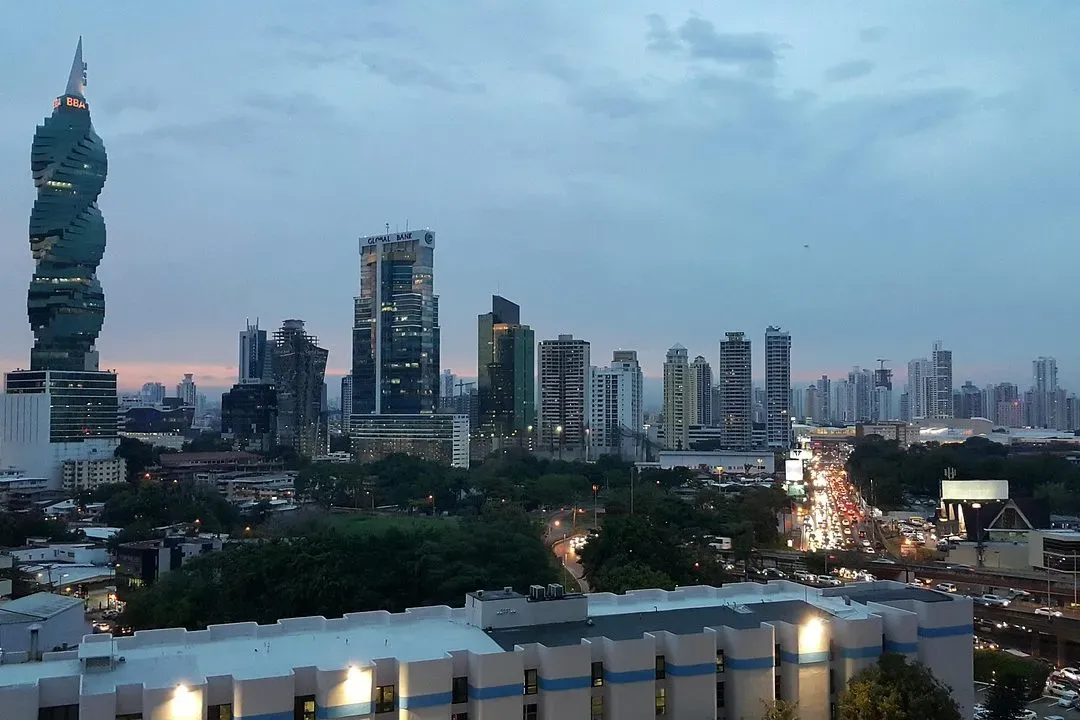
Panama Banking Growth Driven by Regional Diversification
Moody’s describes the current phase as a structural transformation. The Panamanian economy has shifted toward logistics, transport infrastructure, and business services, sectors that generate fewer multiplier effects on local employment and consumption. That reduces demand for financing from households and domestic companies.
Nominal credit grew just 1.3 percent year-over-year in the first half of 2026. Banks have responded by expanding cross-border lending, which supports business volumes and profitability but introduces exposure to different regulatory frameworks and economic conditions in other countries.
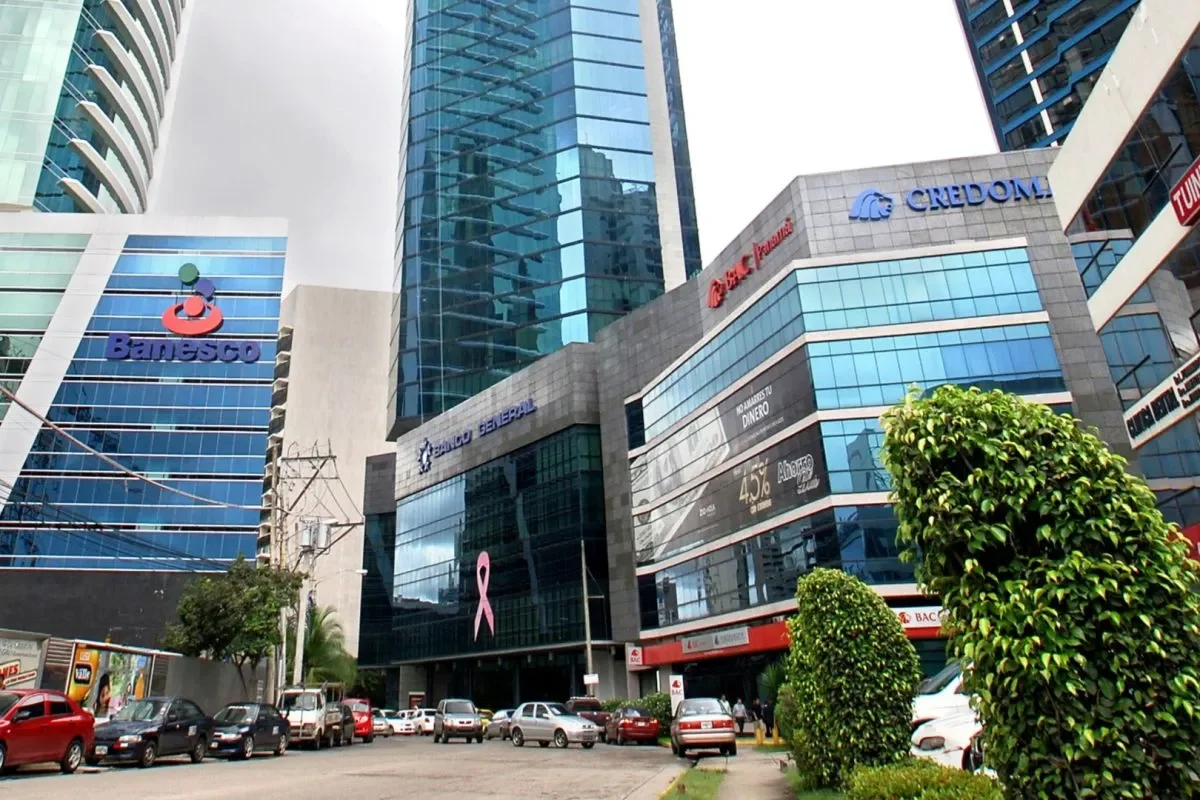
Construction and Mortgage Lending Continue to Weaken
Credit to the construction sector contracted 4 percent year-over-year in September 2026. Excess real estate inventory and caution among private developers have suppressed demand. The mortgage portfolio is also decelerating following changes to preferential interest rate rules implemented in 2023, which created uncertainty in the housing market.
Asset quality shows gradual improvement. Nonperforming loans with more than 90 days of arrears represented 2.2 percent of the gross portfolio in September 2026, down from 2.9 percent in 2023. But Moody’s warns that legacy construction exposures and heavy reliance on real estate collateral remain risk factors.

Regulatory Pressures Reinforce Cautious Lending
Capital requirements will tighten gradually through 2027. Combined with the structural shifts in the economy, these rules will likely push banks toward even more selective credit policies. The rating agency expects the cautious approach to domestic lending to persist even as Panama’s overall economic strength continues.
The report concludes that the banking system has entered a new growth stage defined by reduced dependence on the local market, broader regional diversification, and a more conservative credit strategy. Local borrowers, particularly in housing and construction, face a prolonged period of constrained financing.