


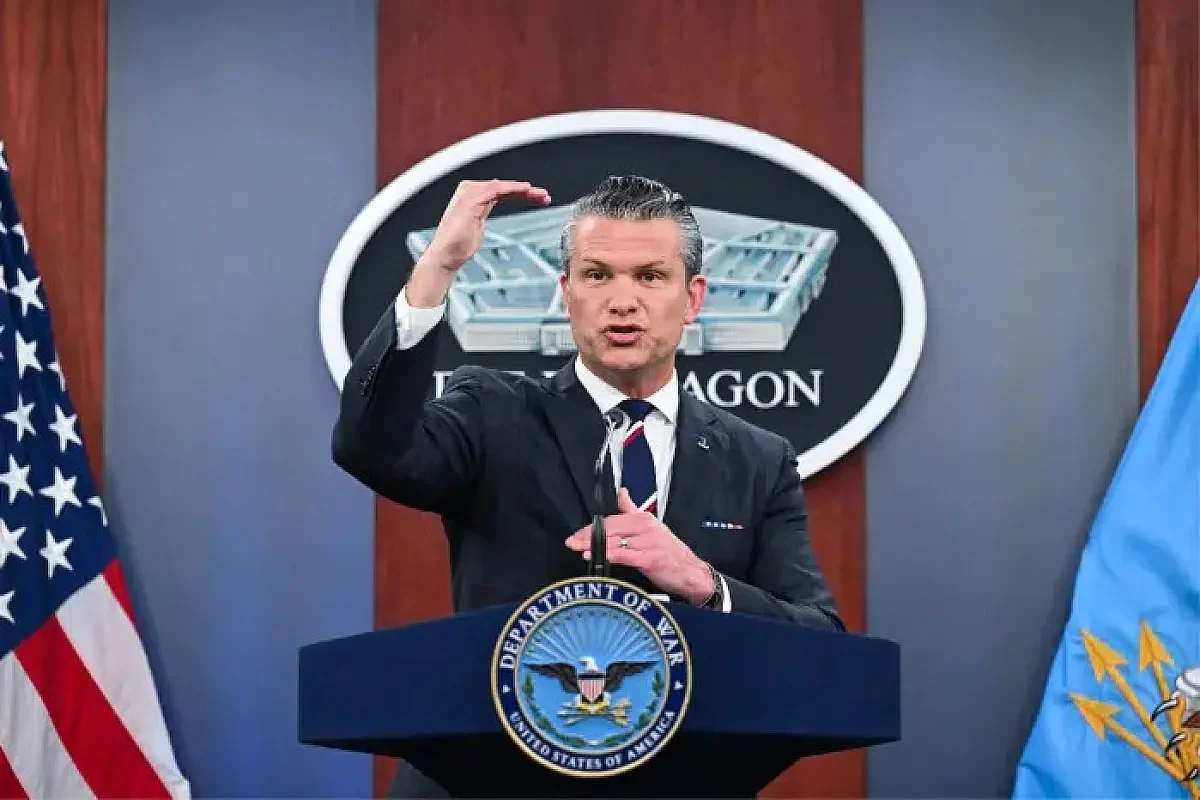
United States Secretary of War Pete Hegseth declared Tuesday that Washington and the administration of President José Raúl Mulino now share joint Panama Canal control after Panama distanced itself from Chinese efforts. The statement marks a significant escalation in rhetoric surrounding the strategic waterway and comes during Hegseth’s first Pentagon press conference in six months.
Speaking to reporters on November 10, Hegseth framed the development as a hemispheric victory. The announcement arrives amid intense domestic scrutiny over his handling of the war with Iran and following Republican losses in the November 3 midterm elections.
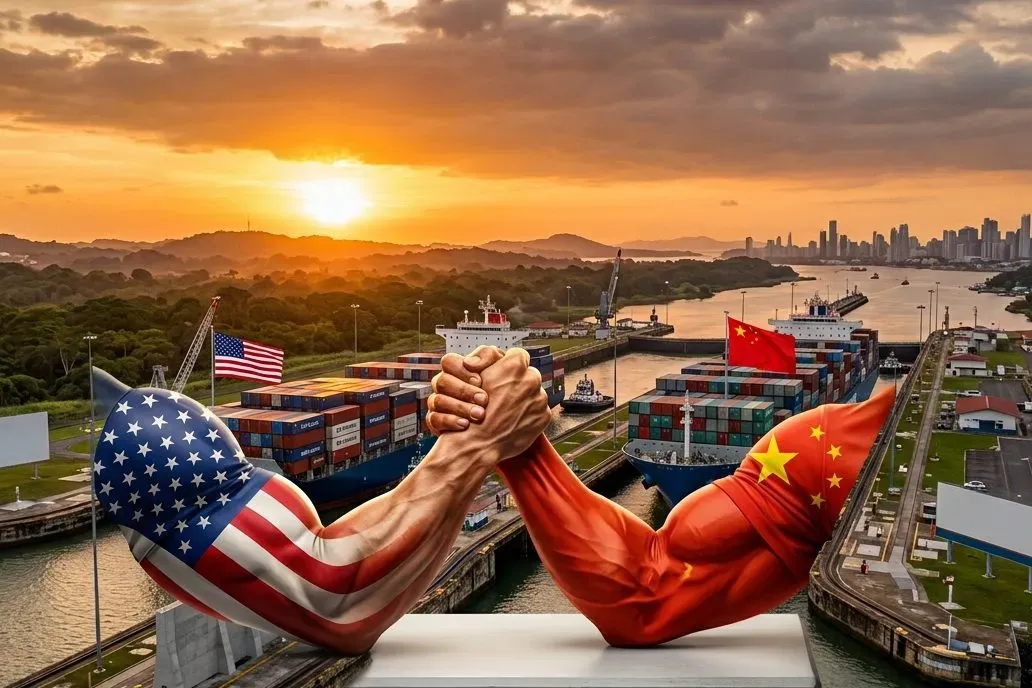
Panama Canal Control and the China Factor
Hegseth delivered a direct message about the waterway’s governance.
“Panama pushed aside China’s efforts and now, together with them, we control the Canal. The message is clear: this is our hemisphere and let’s act accordingly” [Translated from Spanish]
The secretary’s remarks resurface Washington’s long-standing concerns about Chinese influence over strategic infrastructure in Latin America. The comments suggest a new bilateral framework for the canal, though Panamanian officials have not confirmed any formal agreement altering the nation’s sovereign administration of the waterway.
President Mulino has consistently rejected any suggestion of diminished Panamanian authority. In December 2024, he responded firmly to similar claims from President Donald Trump.
“Every square meter of the Panama Canal and its adjacent zone belongs to Panama and will continue to do so. The sovereignty and independence of our country are not negotiable” [Translated from Spanish]
‘Panamá hizo a un lado los esfuerzos de China y ahora, junto con ellos, controlamos el Canal’, manifestó Hegseth https://t.co/zE7YIs5iUm
— La Estrella de Panamá (@EstrellaOnline) November 10, 2026
Origins of the Canal Controversy
The current dispute traces back to December 2024, when then-President-elect Trump declared the United States would retake control of the Panama Canal. Trump also criticized transit fees charged to US Navy vessels, arguing they were excessive given American security guarantees to Panama.
Mulino pushed back against those assertions, emphasizing that the interoceanic route operates efficiently under Panamanian management. He reiterated that the country’s sovereignty “is not in question” and that the canal remains a source of national pride and economic stability.
The canal has been under full Panamanian administration since December 31, 1999, following the implementation of the Torrijos-Carter Treaties signed in 1977. Those agreements established a gradual transfer of control from the United States to Panama over more than two decades.
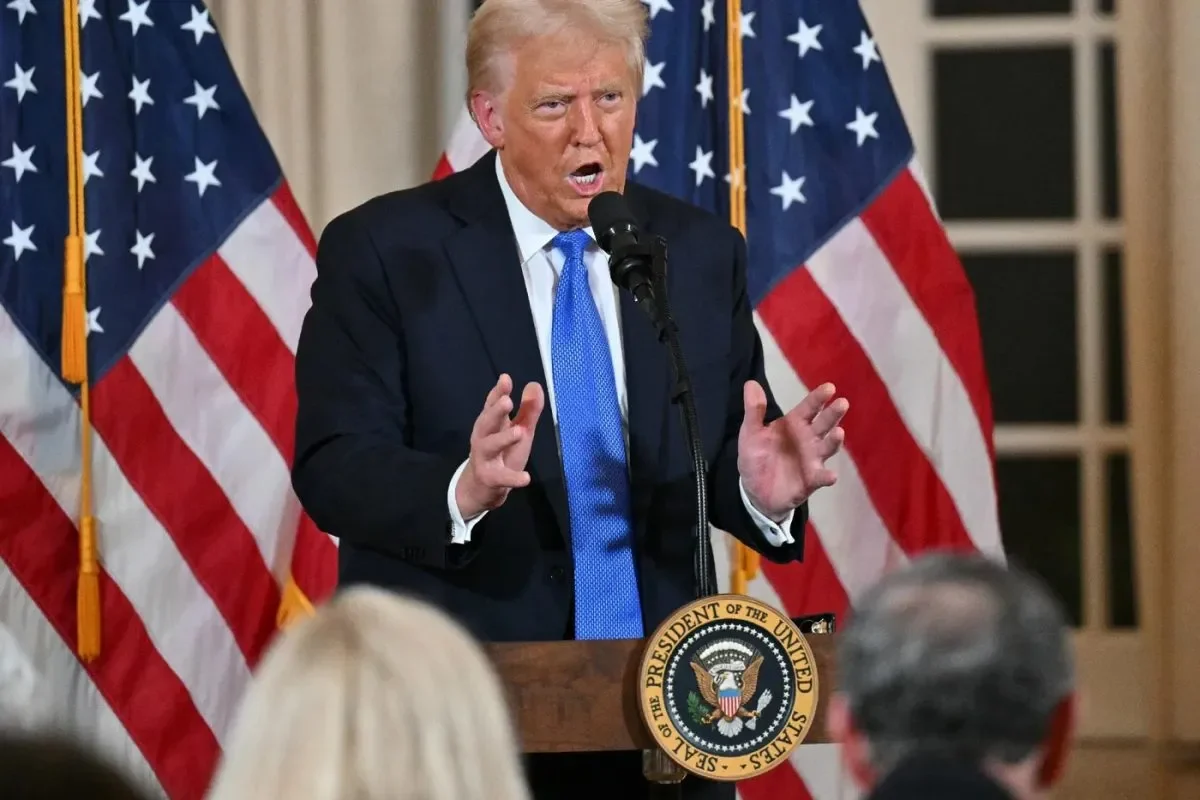
Political Pressure on Hegseth Intensifies
Hegseth’s canal remarks came during a broader defense of his tenure at the Department of War. He faces mounting criticism over the Iran conflict’s management and the Republican Party’s loss of both congressional chambers in the recent midterm elections.
Vice President JD Vance has reportedly joined those questioning Hegseth’s leadership. The secretary dismissed the criticism as politically motivated revenge and placed blame on Republican Congressman Thomas Harold Massie for the electoral setbacks.
Hegseth maintained that no evidence supports impeachment proceedings against him. His reappearance before the press corps signals an attempt to reset the narrative around his department’s foreign policy achievements, including the claimed breakthrough on Panama Canal control.
Regional Implications for Strategic Infrastructure
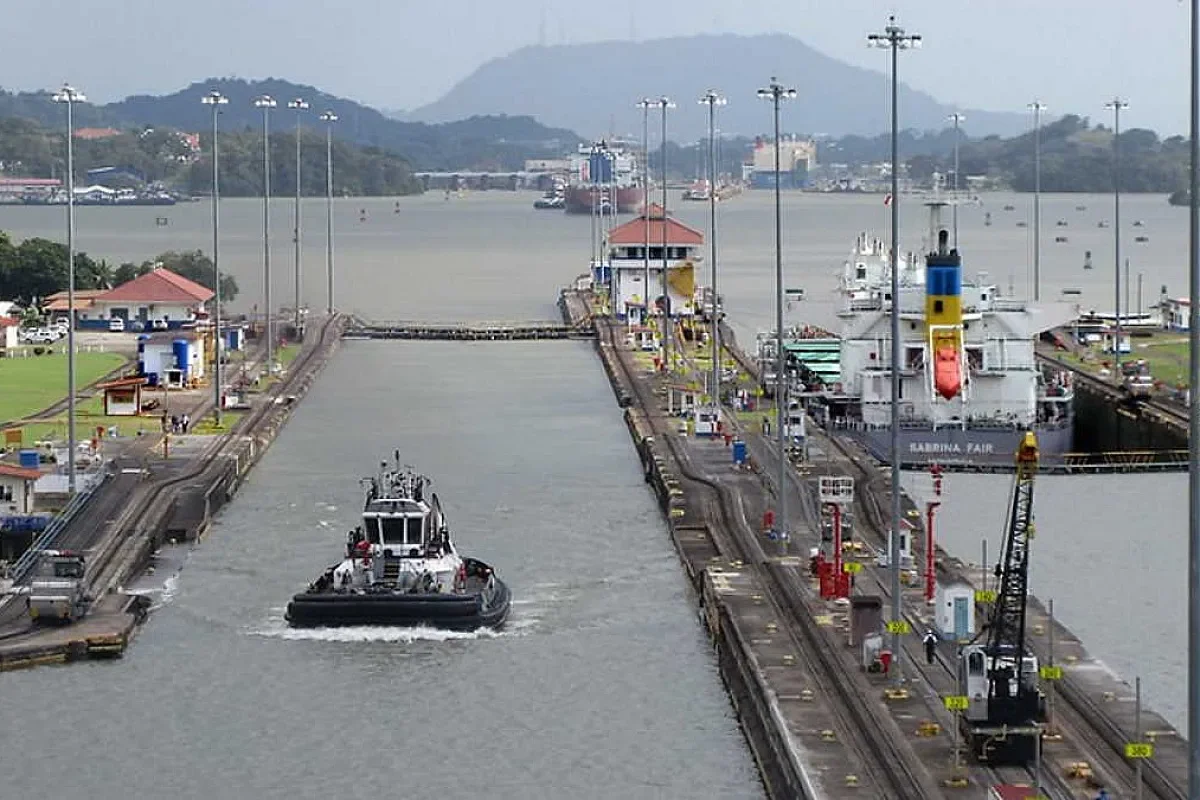
The secretary’s statements place the Panama Canal squarely at the center of US strategy for countering Chinese influence across the Western Hemisphere. The waterway handles roughly 5 percent of global maritime trade and remains vital to US commercial and military logistics.
China’s growing presence in Latin American ports and infrastructure projects has alarmed successive US administrations. Panama’s diplomatic recognition of Beijing in 2017 heightened those concerns, though the canal itself remains operated by the Panama Canal Authority, an autonomous Panamanian government entity.
Neither the Panamanian government nor the Panama Canal Authority issued immediate responses to Hegseth’s characterization of joint control. The coming days will likely clarify whether the secretary’s remarks reflect a negotiated agreement or rhetorical positioning amid his domestic political challenges.