


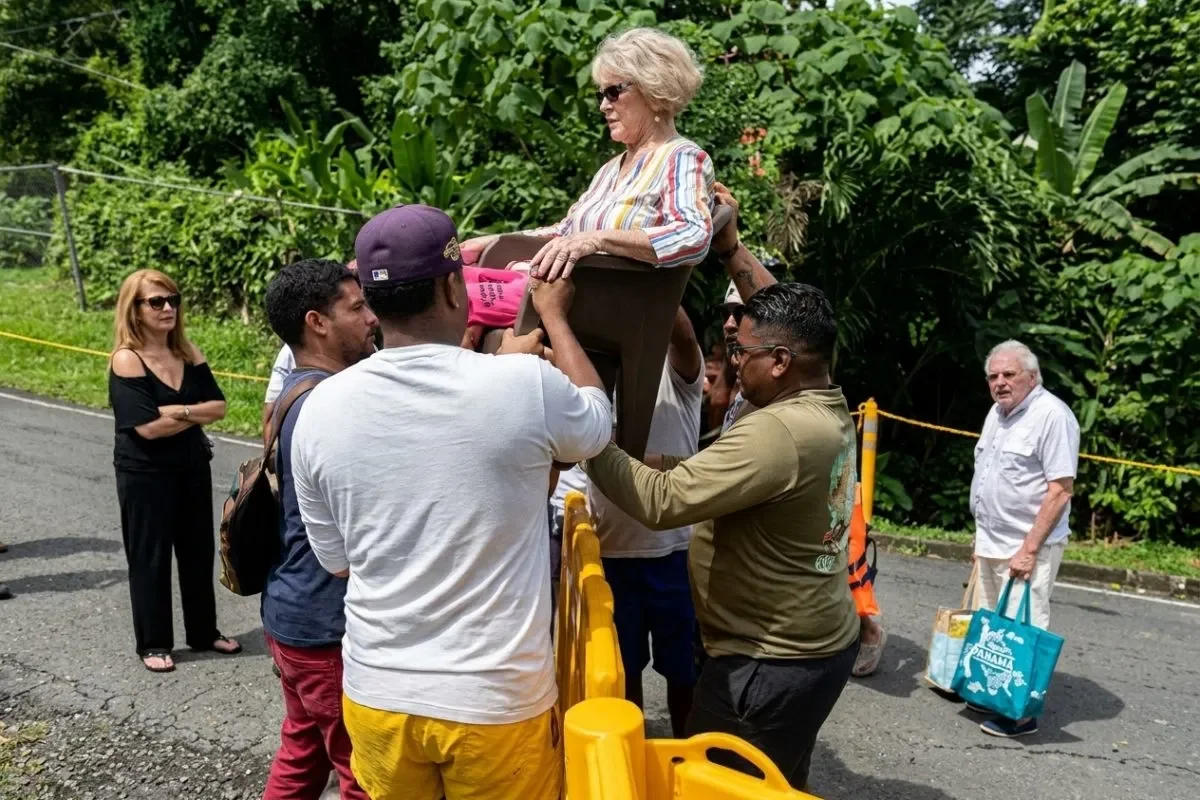
The Panama Canal Authority (ACP) has imposed new restrictions on Gamboa dock access, a move that has disrupted tourism operations and drawn sharp criticism from local communities who depend on the public pier for their livelihoods. The restrictions, implemented approximately two weeks ago, affect roughly 40 families including tour operators, fishermen, and indigenous communities along the Chagres River.
A padlock now secures the gate at the public dock, preventing vehicles from approaching embarkation points. Users of the facility discovered the lock alongside a blue sign stating that the Panama Canal reserves the right to restrict access to areas at any time without prior notice.
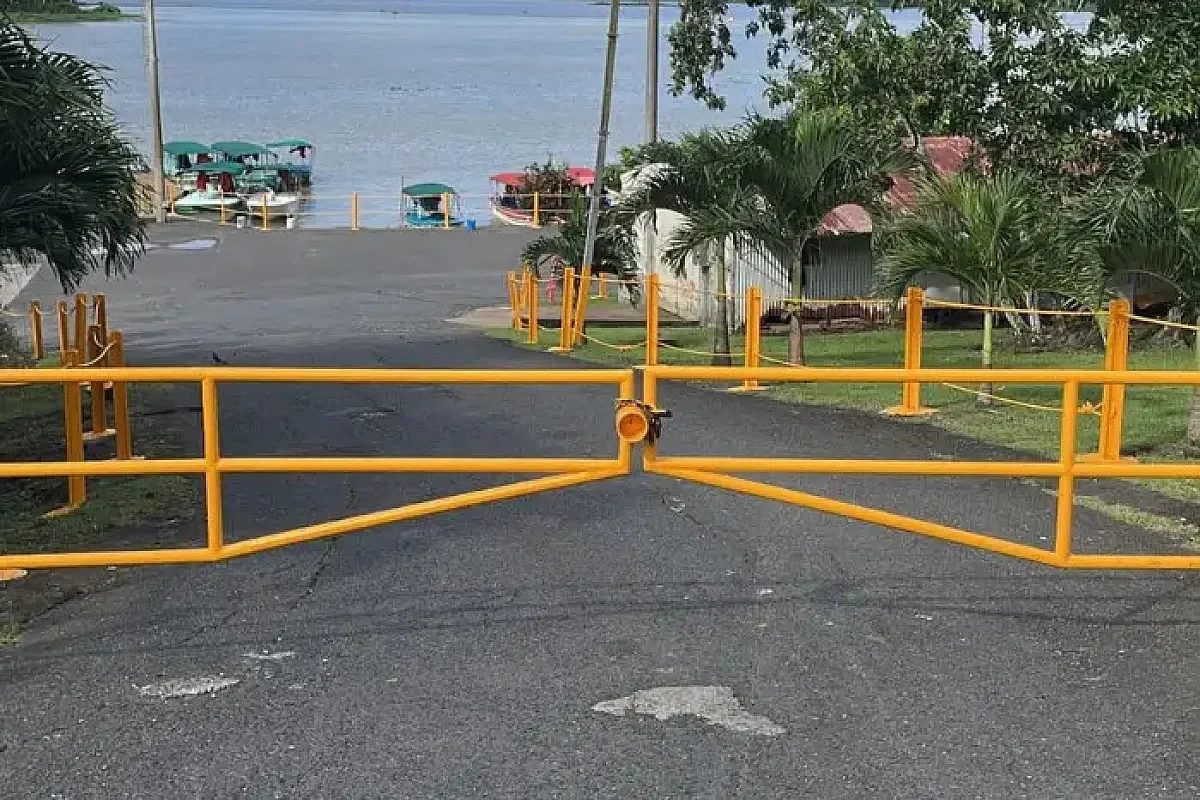
Impact on Tourism and Gamboa Dock Access
The sudden closure has created significant hardships for elderly tourists and those with mobility issues. Videos and photographs shared by affected parties show visitors being physically carried in chairs to reach boats, a situation that has alarmed tour operators who rely on the dock for daily excursions to Monkey Island and three Emberá and Wounaan indigenous communities across the river.
Úrsula Kiener, who owns a tourism agency, challenged the Canal Authority’s position. “The Gamboa public dock is public, just as its name says. They sell us that the Canal belongs to everyone, but they have been limiting our access” [Translated from Spanish], Kiener said. She noted that this pier represents the last accessible point for tour operators, as the alternative dock sits inside the Gamboa Rainforest Resort property.
Community Response and Indigenous Concerns
Almodio Membache, a Wounaan resident from the San Antonio community within Soberanía National Park, expressed surprise at the closure. “We were surprised because that dock never closes. Apparently, there was a discussion between people and Canal surveyors” [Translated from Spanish], Membache said. The dock serves as a critical transit point for indigenous communities living in the Panama Canal watershed.
A Facebook group called “Comunidad del Muelle Público de Gamboa” has emerged as a organizing platform for affected users. Some community members, speaking off the record, have raised concerns about potential privatization or commercial interests in the area. One social media post captured the broader frustration, asking why a dock that has remained public for over a century is now being restricted.
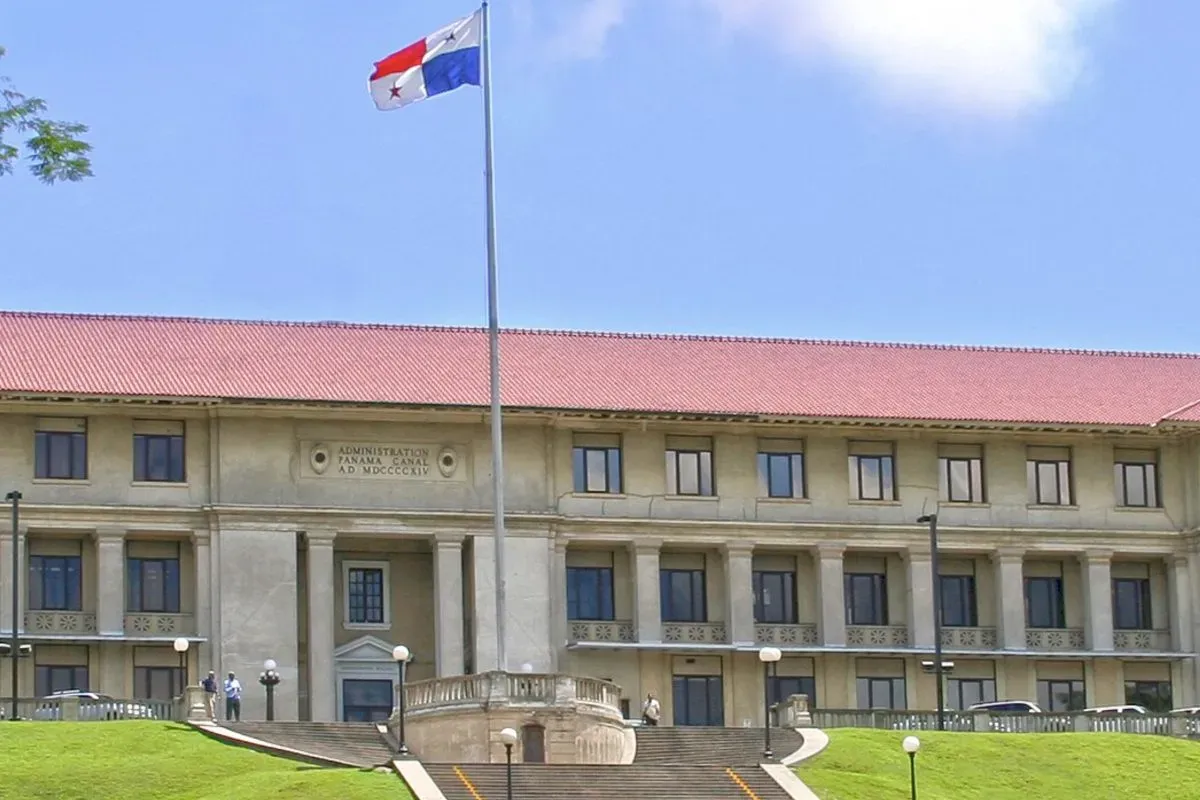
Canal Authority Defends Strategic Area Protections
The ACP defended its actions by citing national security and operational concerns. In a statement, the authority explained that the Gamboa ramp forms part of the nation’s inalienable heritage under Canal administration and falls within the 100-foot elevation line of Gatún Lake, making it strategically important for interoceanic waterway operations.
The institution said the measures aim to “guarantee the continuity, security and efficiency of Canal operations, given the presence in the area of a group unconnected to Canal activities” [Translated from Spanish]. The ACP has not provided a timeline for when or if the restrictions might be lifted.
The dispute highlights ongoing tensions over public access to areas administered by the Panama Canal Authority, particularly in communities that predate the waterway’s expansion. For now, tour operators and indigenous residents continue to navigate the restrictions while seeking clarity from authorities about the long-term status of the Gamboa public dock.