



The Paraguay banking scandal has reached Panamanian shores, with employees in Panama among roughly 7,000 workers directly affected by the collapse of companies linked to Ueno Bank, Paraguayan Labor Minister Mónica Recalde confirmed Tuesday.
Recalde told Universo 970 AM that she has received communications from workers in Panama, Nicaragua, Argentina, and Mexico who provided services to Itti, a Paraguayan technology firm, while receiving salaries from Paraguay. The revelation marks the first official confirmation that the crisis extends beyond Paraguay’s borders into the regional workforce.
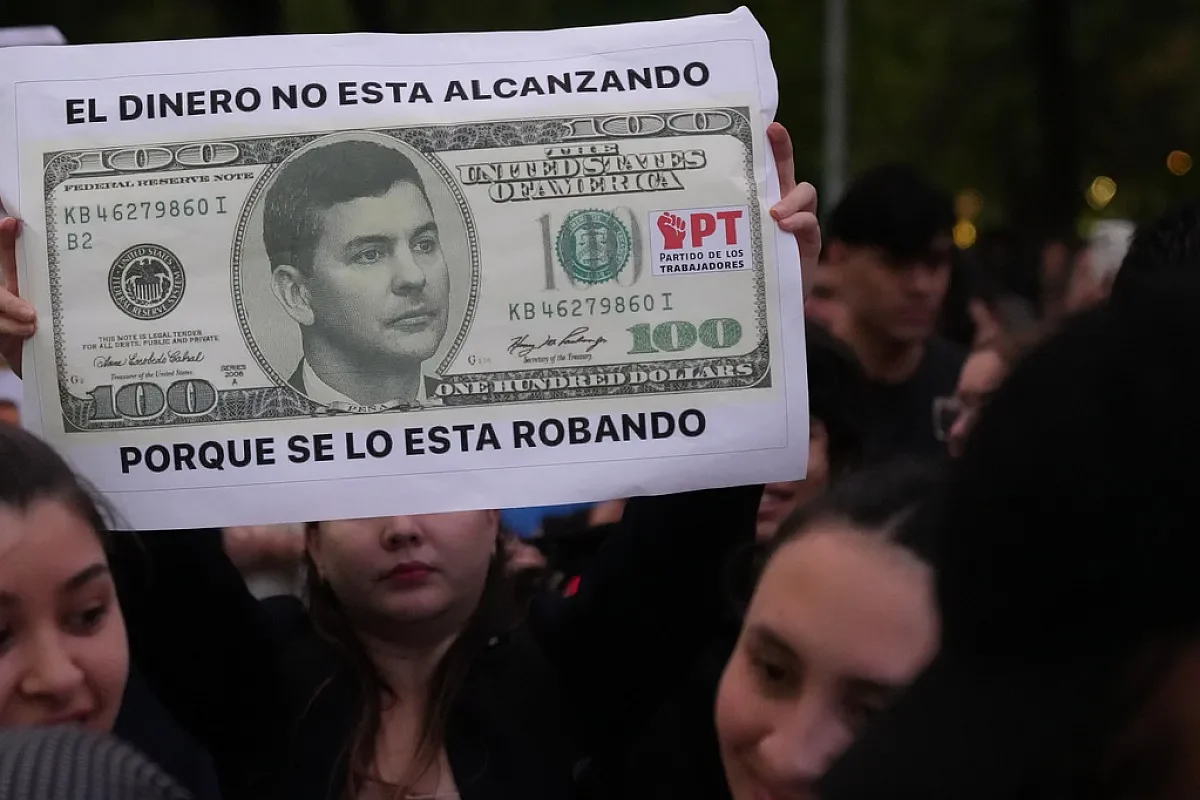
Paraguay Banking Scandal Expands Across Borders
The affected workers performed technology and IT support services for companies tied to the banking group from their home countries. Recalde clarified that these employees remain subject to their respective national labor laws, though their employment relationships were anchored to the Paraguayan corporate structure.
Itti, founded in 2004 and owned by Grupo Vázquez, develops software and digital solutions for financial and corporate clients. The company sits within a complex business network of approximately 40 firms that provided various services to Ueno Bank.
The minister’s updated government estimate puts the total affected workforce at 7,000, including bank employees, workers at linked companies, and non-banking correspondent staff. Around 6,000 of those workers were based in Paraguay, with the remainder tied to international operations.
Complex Corporate Web Leaves Workers Vulnerable
Documents and testimony reveal a tangled employment structure where workers held contracts with one company but performed duties for another entity within the same business group, or directly for the bank itself. Some employees wore bank uniforms, used bank email accounts, and operated bank tools despite being formally contracted by third parties.
The Labor Ministry has moved to dismantle exclusivity clauses that prevented workers from seeking other employment. Several companies maintained restrictions barring employees from working elsewhere, including for up to six months after termination. A new ministerial ruling frees workers from these obligations, allowing them to pursue other opportunities or independent work even while still appearing on company payrolls.
Recalde justified the decision citing the right to work and the lack of effective occupation, as many of these companies have ceased operations and employees stopped receiving assignments. The ruling was delivered to representatives of 37 companies connected to the group.
La caída de Ueno Bank, intervenido por problemas de solvencia financiera, dejó sin empleo a unas 7.000 personas de compañías vinculadas al banco privado en Paraguay -que acoge su sede matriz-, así como en Argentina, México, Nicaraguay y Panamá, reveló este martes la ministra paraguaya de Trabajo, Mónica Recalde. https://t.co/tsqhbjaF9l #NoticiasRNN #redessocialesrnn #UenoBank #Paraguay #Empleos
— Noticias RNN (@NoticiasRNN) November 10, 2026
Social Security and Medical Care at Risk
The ministry has petitioned the Social Security Institute’s governing council to evaluate exceptional measures protecting medical coverage for affected workers. Particular concern centers on pregnant women and individuals requiring ongoing medical treatment, given uncertainty about the continuity of employer contributions to the social security system.
Recalde noted that the last recorded employer payment obligations date to September. The government is working to coordinate mechanisms preventing workers from losing access to medical services while the crisis unfolds.
Working groups continue reviewing each worker’s legal situation to determine conditions for severance payments. The ministry maintains ongoing dialogue with company representatives as the full scope of the banking group’s collapse becomes clearer across the region.