


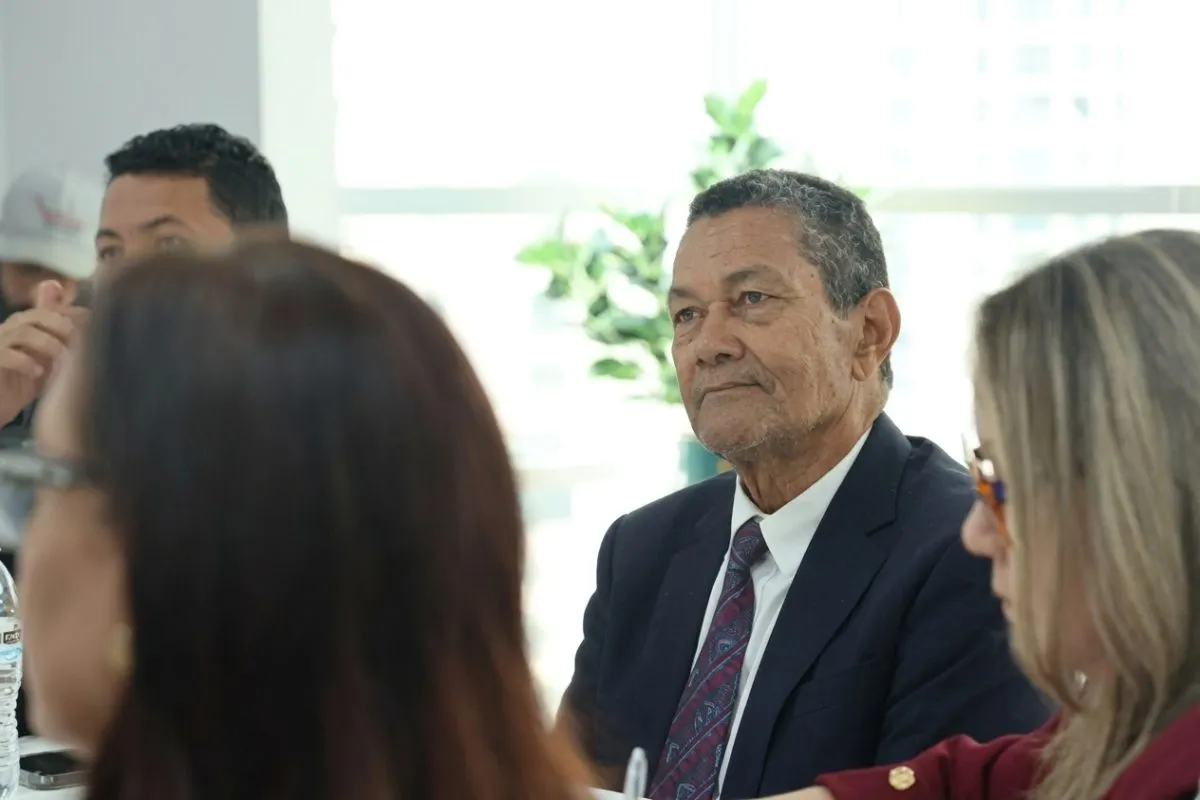
The Panama prison crisis deepened Tuesday when Chanan Singh resigned as director of the General Directorate of the Penitentiary System after just four months in office, publicly criticizing the National Police‘s role inside detention facilities while human rights organizations reported serious abuses against inmates.
Singh submitted his resignation to Government Minister Dinoska Montalvo after exposing internal disagreements over police presence within prison walls and what he described as failures to meet basic detainee needs. His departure follows the June 1 mass escape of at least 198 prisoners from La Joyita, one of the worst prison breaks in recent Panamanian history, which led to the resignation of his predecessor Jorge Tarragoza.
Legal Framework Behind the Panama Prison Crisis
Singh said he had formally requested that police officers leave internal prison areas and concentrate solely on perimeter security, citing Law 55 of 2003 which reorganizes the penitentiary system. That legislation originally divided responsibilities, assigning internal security to prison custodians while police handled exterior surveillance and prisoner transfers.
Later laws permit temporary police presence under specific conditions, but Singh argued the current arrangement violates the spirit of the original statute. “I request that the National Police leave the perimeters of the Penitentiary System, the Law says it very clearly,” Singh stated. He added that officers currently occupy pavilion C where 260 unclassified inmates are held. “Nobody knows what happens, I have not even been able to enter that pavilion,” he said.
El exdirector del Sistema Penitenciario, Chanan Singh, reveló detalles sobre la situación que se vive dentro de los centros penitenciarios y explicó que solicitó retirar a las unidades de la Policía Nacional de las áreas internas, para que su labor se concentre en la vigilancia de los perímetros externos. #noticias #shok #panama #penal
— Shok.360 (@shokmultimedia) November 12, 2026
Contraband and Corruption Allegations Surface
The former director acknowledged that drugs, weapons, and prohibited items enter the prisons, but rejected claims that contraband arrives through food and supplies brought by family members. He pointed to the “Penitentiary Store” program, which allows relatives to purchase goods through a controlled system managed by the Government Ministry without cash transactions inside facilities.
“We buy the products, they are duly inspected. That is not where drugs, cocaine, marijuana, blades, pistols enter,” Singh said. “Who allows the entry of all these articles?” he asked. He also revealed that he had issued an order prohibiting prisoner transfers between facilities after discovering what he called a “business” around internal movements.
When asked directly whether police participate in corruption inside prisons, Singh answered no, but maintained he found administrative problems and information leaks during his tenure. Family members of detainees have alleged police involvement in smuggling prohibited materials, though no formal complaints have been filed.
Government Response and Institutional Fallout
The National Police declined to comment on Singh’s allegations, stating the institution would not issue remarks at this time. Minister Montalvo characterized Singh’s statements about the police as his “personal opinion” and emphasized that existing law clearly establishes coordination mechanisms between security forces and the penitentiary system.
Singh confirmed that detention conditions deteriorated significantly following the June mass escape. Civic organizations have warned about human rights violations inside Panamanian prisons as the institutional standoff between police and prison administrators continues unresolved.