


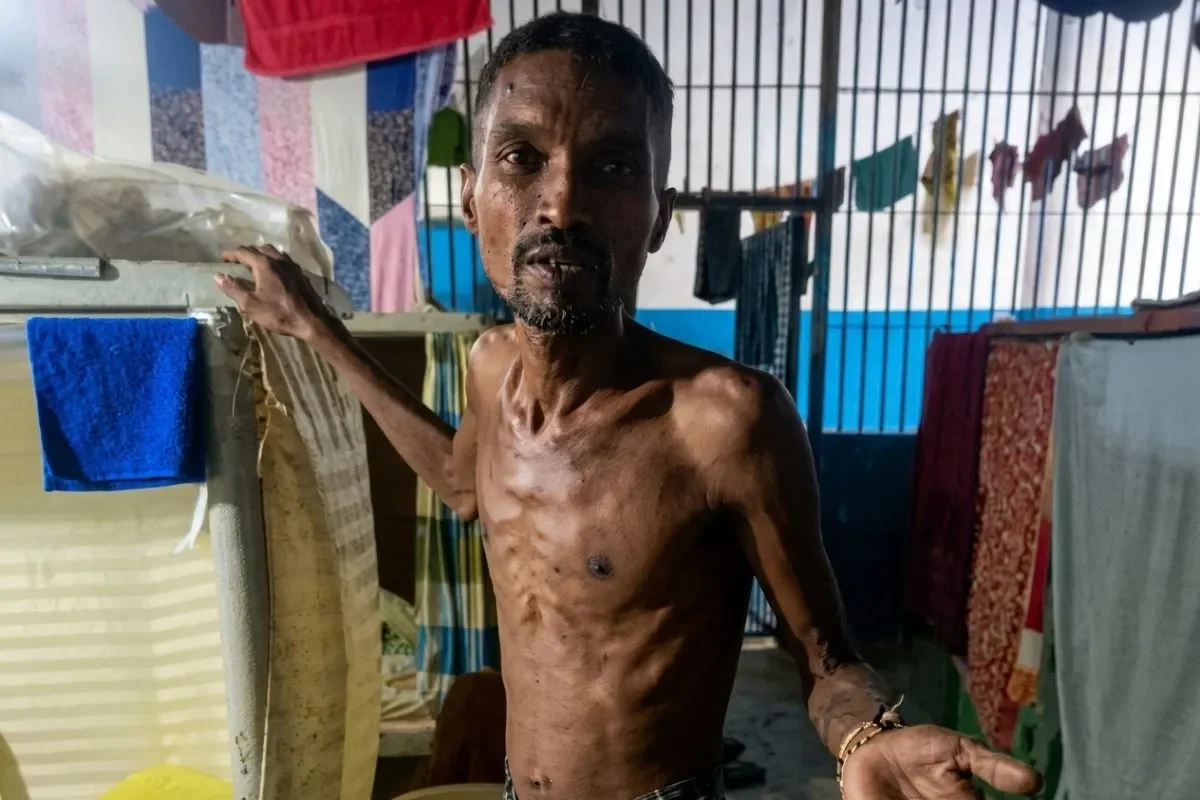
A coalition of 17 human rights organizations is demanding an immediate prisoner deaths investigation after at least 10 inmates died across Panama’s penitentiary system in the past two months. The groups say authorities have failed to respond to what they describe as a suspected induced famine and delayed medical care inside the country’s prisons.
The organizations released a statement dated November 11 titled “National and International Alert Over the Death of at Least 10 Persons Deprived of Liberty in Panamanian Prisons.” They allege that since June, prison officials prohibited family members from bringing food into the facilities. That decision forced inmates to rely solely on state rations, which the groups call drastically insufficient.
Prisoner Deaths Investigation and Alleged Neglect
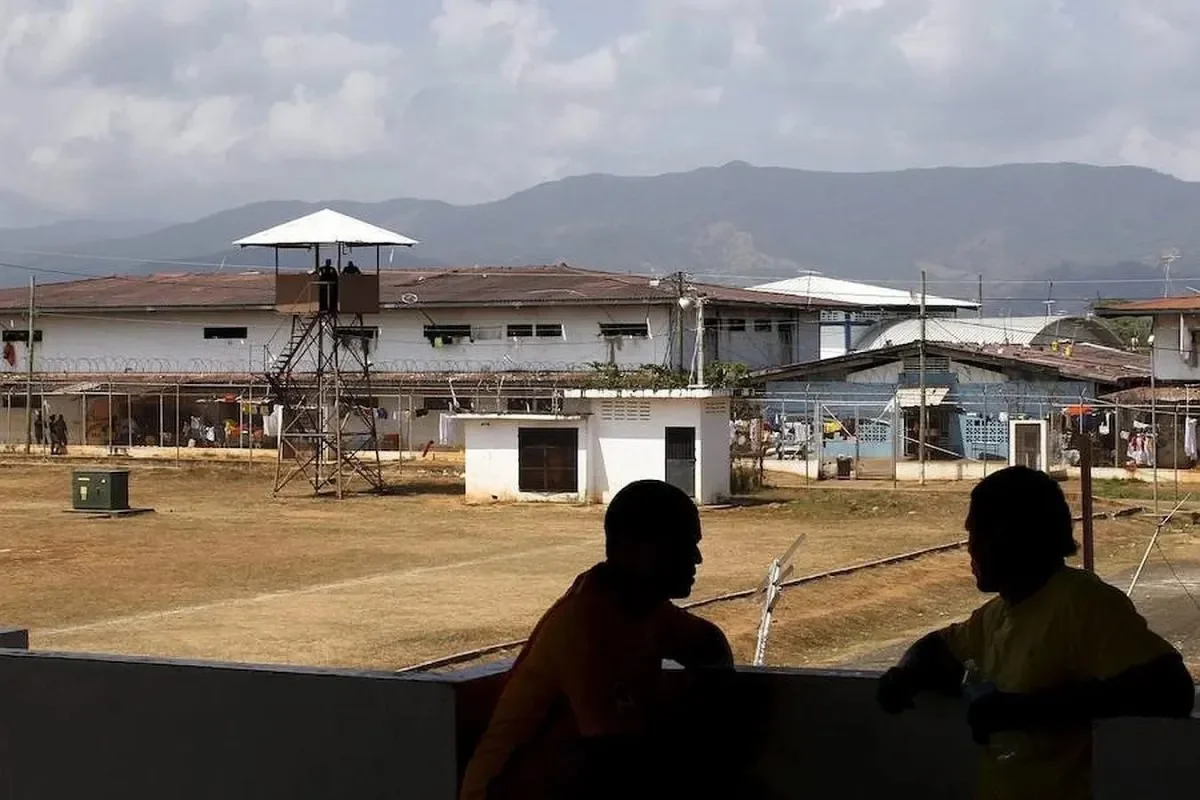
The rights coalition contends that restricting food access to people under state custody violates the right to life and personal integrity. They also classify the conditions as cruel and inhumane treatment. The groups specifically point to the prisons of Nueva Esperanza, La Joya, and La Joyita as the centers where the deaths occurred.
Despite the fatalities, the organizations say no official reaction has come from prison authorities. They warn the situation could escalate into a full humanitarian crisis behind bars. The coalition is now calling for the removal of the general director of the Penitentiary System as well as the directors or managers of the three named facilities while administrative and criminal investigations proceed.
NACIONALES| Hay malestar en los centros penitenciarios. Privados de libertad denuncian la falta de alimentos y casos de tuberculosis. Un video recientemente difundido en redes sociales puede observarse un mitin interno donde gritan a una voz: "¡Queremos comida!". https://t.co/qGK1SNoUf0
— Realidad Noticias (@realidadpma) November 11, 2026
Historical Precedents and Legal Obligations
The statement also recalls past tragedies that underscore Panama’s troubled record with detention conditions. In January 2011, five teenagers died in a fire at the Tocumen juvenile detention center during a protest sparked by lack of water and food. The Inter-American Court of Human Rights later condemned Panama in the 2010 Vélez Loor case over deficiencies in its detention centers.
For the signatories, those precedents make the current silence from authorities especially alarming. They argue that the state has a binding obligation to protect people in its custody, not expose them to preventable harm. The groups say the current conditions represent an alert that the country cannot afford to ignore.

Calls for Accountability and Government Response
The coalition is also pressing Government Minister Dinoska Montalvo to publicly disclose how many inmates have officially died and what urgent measures are being implemented to stop further deaths. The organizations want a full accounting of the situation, including whether medical care was delayed or denied in the weeks before the fatalities.
As pressure mounts, the absence of an official response from the Ministry of Government or the Penitentiary System has deepened concern among advocates. The rights groups say that without immediate intervention, the death toll could rise further. They frame the crisis as a test of Panama’s commitment to basic human rights standards inside its prison walls.