


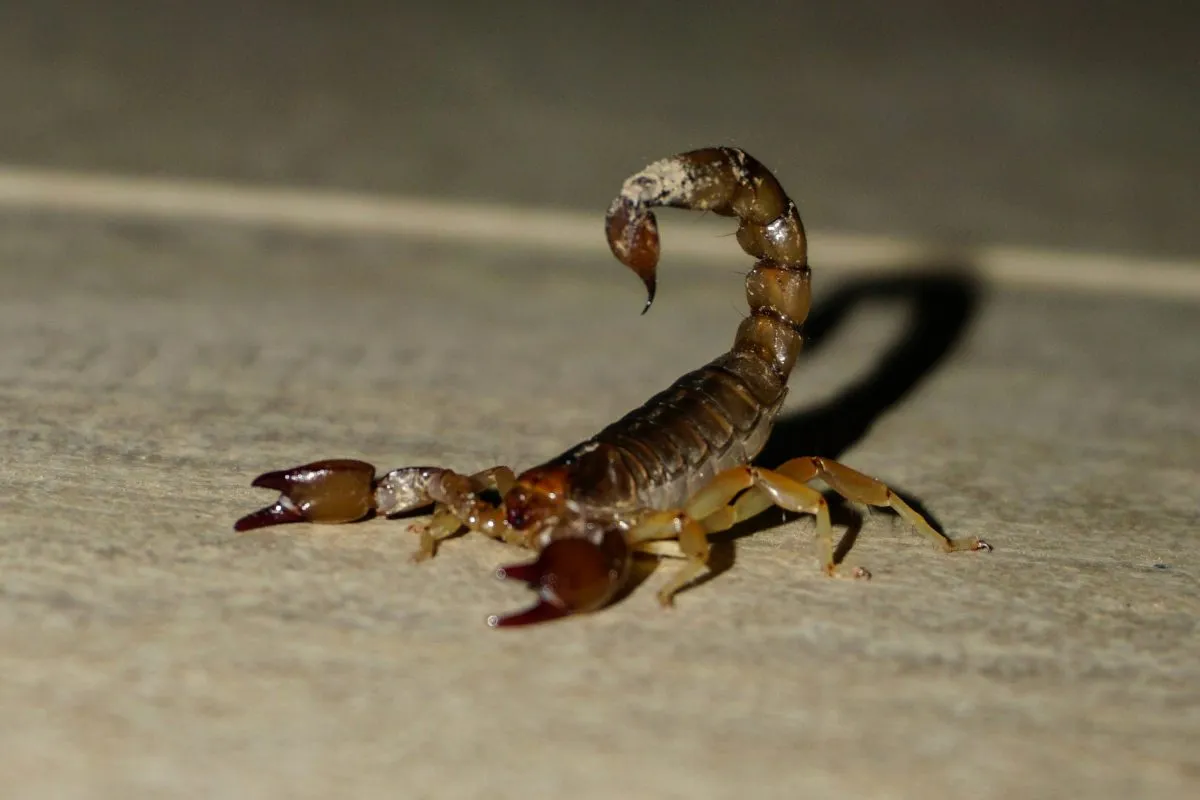
A groundbreaking study from Panama has established specific clinical recommendations to improve care for patients, especially children, following scorpion stings. The research analyzed the venom of five common local species to understand their toxic effects on the human body. Its findings are now guiding new emergency room protocols across the country.
📑 Table of Contents
The work was led by toxicologist Maricruz Morán, a technical assistant at the University of Panama’s Center for Research and Information on Drugs and Toxins (CIIMET). Her team conducted a detailed analysis of venom from the Tityus atreus, Tityus championi, Tityus festae, Centruroides bicolor, and Centruroides limbatus scorpions. Researchers studied the effects on mice using graduated doses based on the LD50 standard. This method allowed them to compare reactions corresponding to mild, moderate, and severe envenomation.
From Symptoms to Blood Analysis
Monitoring occurred from the first five minutes up to 24 hours after exposure. Scientists recorded symptoms including excessive salivation, tremors, respiratory distress, seizures, piloerection, and gastrointestinal distress. A second critical phase involved laboratory tests on blood samples. The team analyzed hemograms, blood smears, and biochemical panels specifically designed to identify affected organs.
A key discovery emerged from this data. The scorpion venom caused significant increases in biomarkers associated with pancreatic, muscular, cardiac, and renal damage. These results directly challenge previous assumptions that focused primarily on neurological symptoms. The University of Panama stated these findings must direct medical action in emergency rooms, particularly in pediatric cases.
“These results provide a clear roadmap for clinicians. We now know which organ systems are under attack and can test for them directly,” said lead researcher Maricruz Morán. [Translated from Spanish]
The study proposes a new minimum standard panel of tests when a child arrives with a scorpion sting. This panel should include glucose, amylase, total creatine kinase, CK-MB, creatinine, blood urea nitrogen, sodium, and potassium levels.
Por dos décadas, CIIMET de la UP ha liderado una de las investigaciones más cruciales para la salud del país: el estudio de los venenos de serpientes y escorpiones 🦂causa histórica de cientos de envenenamientos y muertes en áreas rurales.
— Universidad dePanamá (@UNIVERSIDAD_PMA) December 10, 2025
Ciencia panameña que salva vidas. 🔬🇵🇦 pic.twitter.com/paCXwQxKbA
Transforming Emergency Pediatric Care
Implementing these recommendations carries immediate practical importance for hospitals. The guidelines allow medical staff to identify potential damage to the pancreas, kidneys, heart, and muscle early. They facilitate monitoring for complications from thirty minutes to three hours post-sting. This precise data supports faster medical decisions and more accurate interventions, potentially improving outcomes for young patients.
Morán began this line of research in 2018 during her undergraduate thesis. She later expanded it for her master’s degree in Analytical and Forensic Toxicology. Her work is titled “Evaluation of the toxicological effects in mice of the venoms of scorpions of the genera Tityus and Centruroides from Panama: clinical manifestations and laboratory findings.”
The CIIMET team’s next goal involves identifying specific enzymes within the venom, such as hyaluronidases and phospholipases. They will use processes of fractionation and sequencing. Morán also revealed the project aims to incorporate more scorpion species for a complete picture of scorpionism in Panama. Progress, however, depends heavily on the availability of venom samples for analysis.
This research marks a significant step toward evidence-based treatment for scorpion envenomation in Central America. It shifts the clinical focus from generalized symptom management to targeted organ protection based on laboratory confirmation.