


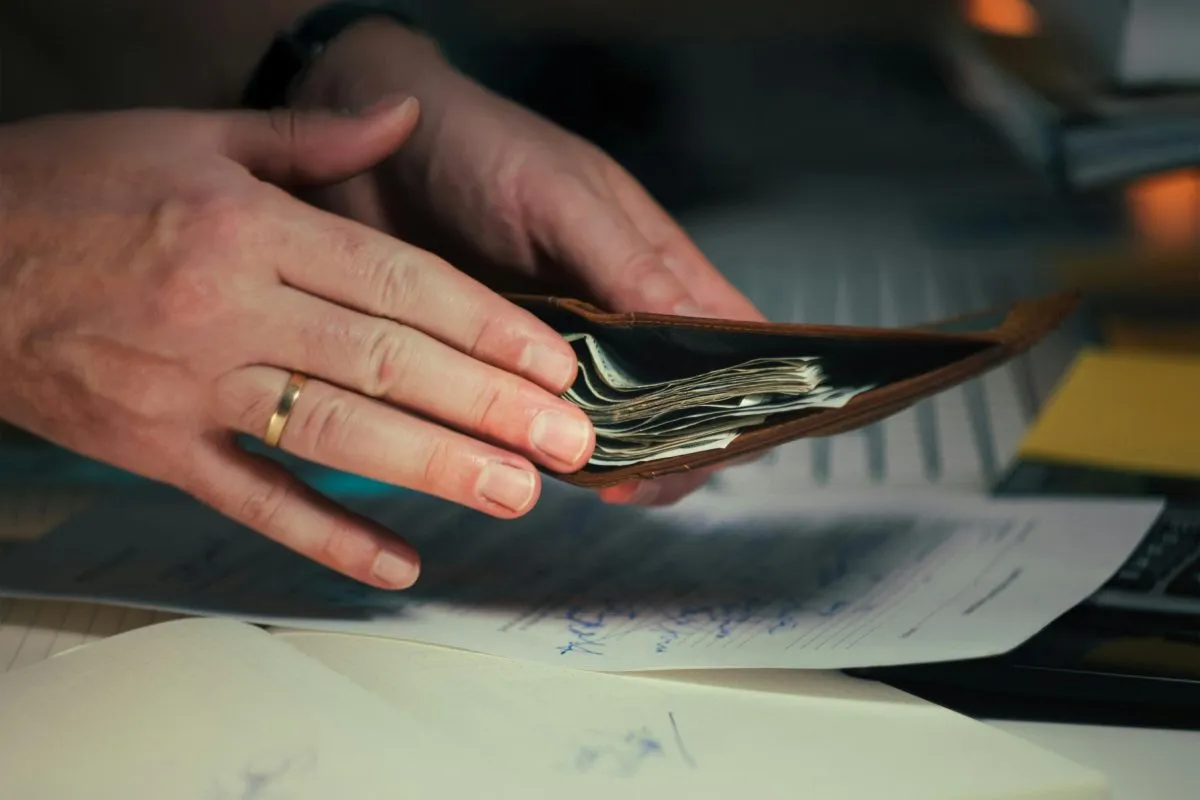
A new market study reveals that nearly half of all point-of-sale payments in Panama are still made with cash. The report from payment processor Telered and pollster Dichter & Neira shows cultural attachment, not technology access, is the primary driver. This trend persists even as the nation’s digital financial infrastructure expands rapidly.
Released this week, the data indicates 48 percent of in-store transactions use physical money. That figure highlights a significant gap between technological availability and public adoption. Panama boasts a robust portfolio of innovative financial services, yet consumer habits remain firmly rooted in tradition. The study’s authors argue this cultural preference presents the main obstacle to reducing cash reliance.
“We have the technology and we are implementing it. Panama is among the countries accelerating this digital option the most. We are putting the digital platforms at the disposal of users, but there is a cultural issue that must be worked on alongside a financial literacy strategy,” said Alexander Acosta, Executive Vice President and General Manager of Telered. [Translated from Spanish]
On average, 28 percent of Panamanians surveyed prefer cash because they believe it is faster and offers better spending control. This sentiment grows stronger in provinces outside the capital region. Telered’s own statistics show 67 percent of the population lives in Panama, West Panama, and Colon. Those three provinces also contain 72 percent of the country’s ATMs and 82 percent of its points of sale.
Cash Dominates Across Retail Sectors
The preference for paper currency cuts across all types of commerce. In pharmacies, 50 percent of customers pay with cash compared to 17 percent using debit cards. Supermarkets see 49 percent cash usage versus 24 percent debit. At gasoline stations, the split is 45 percent cash to 19 percent debit.
Department stores and warehouses follow a similar pattern with 44 percent cash payments. Restaurants and fast-food outlets report 35 percent cash usage. Even for major purchases like appliances, 32 percent of Panamanians opt to pay with physical bills. The 2024 study confirms Panamanians did not replace cash as a payment method last year. New technological innovations across the commerce and payments segment failed to shift this foundational behavior.
Alexander Acosta frames the challenge as a societal transformation. He notes that advancing toward a cashless economy involves more than just a tech upgrade. It impacts citizens, businesses, government, and the environment simultaneously. The digitalization of Panama‘s financial system is nevertheless progressing. The country now utilizes real-time transfers, fully digitalized service payments, and a growing e-commerce sector.
“Advancing toward a cashless economy is much more than a technological change. It is a transformation that impacts the citizen, businesses, the government, and the environment,” Acosta stated. [Translated from Spanish]
These advances prove the technological infrastructure is largely ready. Panamanians are already incorporating digital habits into daily transactions. Telered data shows a typical day generates 1.1 million digital transactions moving approximately $450 million. The existing systems demonstrate significant capacity and public engagement.
Bridging the Gap Between Data and Daily Life
The executive identified the next crucial step for the nation’s financial evolution. He called for a leap from paper to data, from bureaucratic procedures to genuine service, and from simple spending to measurable citizen impact. This shift requires changing deep-seated public perceptions about money management and security.
Experts suggest targeted financial literacy campaigns could help bridge the adoption gap. Educating consumers on the safety and convenience of digital tools might gradually alter long-standing preferences. The study implies that without addressing the cultural comfort with cash, technological solutions alone will not achieve a digital payments revolution.
For now, cash maintains its dominant role in the Panamanian economy. The tangible nature of physical money provides a sense of control and immediacy that digital alternatives have not yet supplanted. The nation’s journey toward a less cash-dependent future will depend on aligning its advanced digital infrastructure with the everyday habits and trust of its people.