


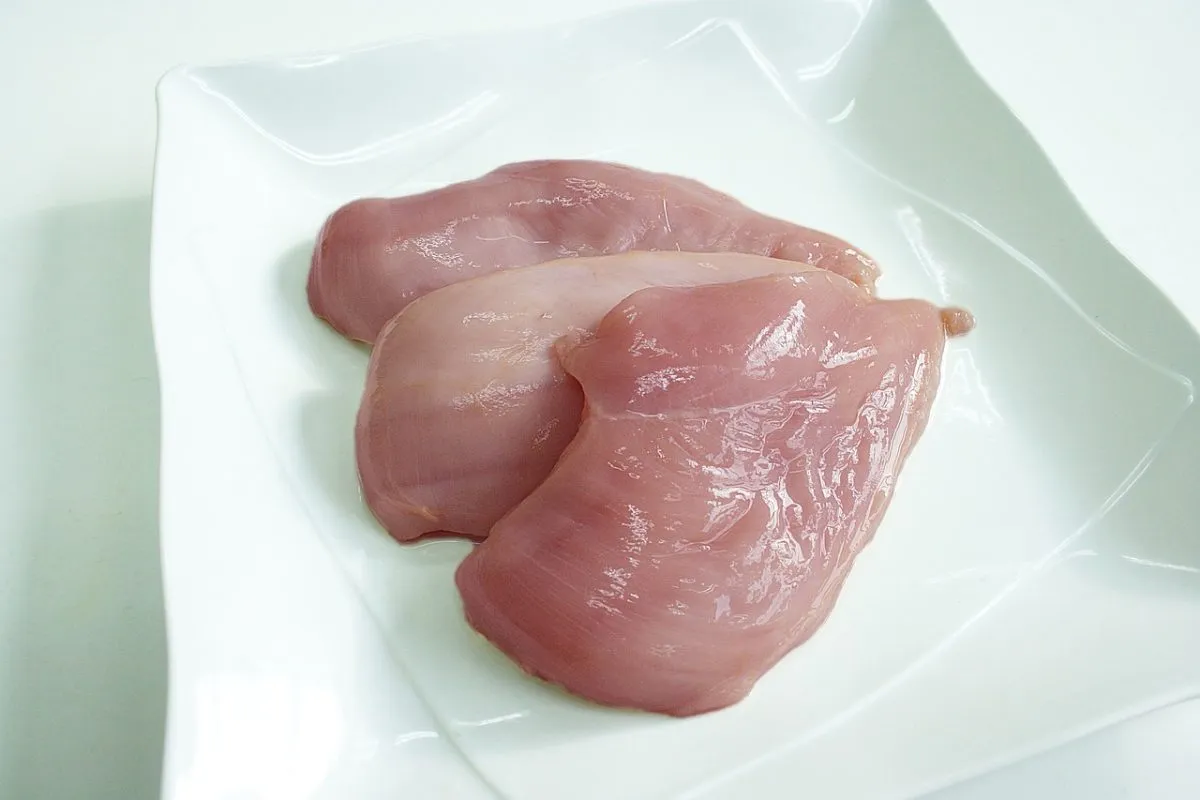
The United States and Panama are entering the final stage of their bilateral trade agreement, moving toward a fully tariff-free exchange by October 2030. This milestone arrives amid a significant and persistent trade deficit for the Central American nation, raising concerns among local producers about their future competitiveness. The final sensitive product to be liberalized is chicken leg quarters, a staple in the Panamanian diet.
The Trade Promotion Agreement (TPC) between the two nations, signed in 2007 and implemented in 2012, has followed a gradual, multi-year schedule for eliminating import duties. Official documents show that many agricultural goods have already reached zero percent tariffs ahead of the final deadline. Products like boneless beef, pork, tomato paste, and fluid milk have seen their duties phased out completely as of 2026.
“Several products from national production are going to reach zero tariff with the TPC with the United States,” said Rosmer Jurado, president of the Union of Industrialists of Panama. [Translated from Spanish] He noted that since 2022, all industrial and consumer products have been fully liberalized, leaving only the poultry sector for final phase-out in 2030.
The immediate impact is a heightened sense of urgency within Panama’s agricultural and manufacturing sectors. Industry leaders argue that local producers now face direct competition from large-scale U.S. imports without the protective buffer of tariffs. They are calling for renewed support and technical cooperation to bolster national productivity before the agreement is fully realized.
Trade Deficit and Sector-Specific Challenges
Data from Panama’s National Institute of Statistics and Census (INEC) illustrates the lopsided nature of the current trade relationship. Between 2020 and 2025, Panama exported $838.6 million in goods to the United States, excluding copper. Imports from the U.S. during the same period vastly exceeded that figure, contributing to a substantial deficit. The final removal of the remaining tariff barriers intensifies the debate over the pact’s net benefits for the local economy.
Jurado emphasized that the challenge extends beyond primary agriculture. He warned that secondary industries could also suffer if local supply chains are disrupted. “If a primary activity disappears due to a lack of competitiveness, it will generate unemployment and could force us to import raw materials,” he stated. [Translated from Spanish] The industrialist pointed to unfulfilled promises of conversion funds for the primary sector that were part of the original agreement discussions but were never effectively deployed.
The poultry sector represents the last and most sensitive frontier. Luis Castroverde, president of the National Association of Poultry Farmers of Panama (Anavip), explained that chicken was intentionally classified as a sensitive product during negotiations, granting it the longest adjustment period. His concern now focuses on a specific cut. “The greatest risk is imports of chicken leg quarters from the United States, which enter below their cost of production,” Castroverde warned. [Translated from Spanish] He finds competing under those conditions deeply troubling, especially while the U.S. market remains closed to Panamanian exports of the same product.
Investigations and Safeguard Measures
In response to the surge in poultry imports, the Panamanian government has initiated a formal investigation. The Ministry of Commerce and Industries (MICI) is examining whether to apply a temporary safeguard measure. Such a measure would allow for an additional import duty for a limited time, providing domestic producers with a buffer to adjust to sudden import surges that threaten economic injury.
This is not an isolated action. Records indicate that between 2018 and 2026, authorities opened more than 60 investigations into potential safeguards under the TPC with the United States. These probes cover various product categories, reflecting the ongoing tension between trade liberalization and domestic industry protection. The current poultry investigation is among the most watched, given the product’s cultural and economic significance in Panama.
“We cannot leave national producers unprotected,” argued Jurado, calling for stakeholders to leverage technical cooperation outlined in trade agreements. [Translated from Spanish] He specifically mentioned pacts with the United States, the European Union, Israel, and the Netherlands as potential sources of support to strengthen productive capacity before the 2030 deadline.
The clock is ticking for other products as well. Cheeses, for instance, will complete their tariff elimination in 2028, moving from a 30 percent duty in 2012 to zero. Each sector faces its own timeline and set of competitive pressures under the Trade Promotion Agreement (TPC) framework. The government’s challenge is to manage this transition in a way that minimizes economic disruption while honoring its international commitments.
The Path Forward to 2030
With the final deadline just over four years away, the conversation in Panama is shifting from negotiation to adaptation. Producer associations are intensifying their calls for concrete government action. They seek not just temporary safeguards but lasting investments in technology, infrastructure, and efficiency to close the competitive gap with American agribusiness. The success of these efforts could determine the survival of several domestic industries.
Castroverde of Anavip expressed frustration with the pace of progress on solutions that were technically discussed during the agreement’s agricultural working group meetings. He fears for the fate of more than 150 small poultry farmers if import volumes continue to rise unchecked. Their situation underscores a broader national dilemma, balancing affordable consumer prices with the preservation of local jobs and food security.
Analysts suggest the final phase of the TPC will serve as a critical test for Panama’s economic policy. The nation has long positioned itself as a global logistics and trade hub, a strategy that inherently involves open markets. Navigating the completion of this major bilateral agreement will require a nuanced approach that supports vulnerable sectors without resorting to protectionism. The government’s handling of the pending safeguard investigation will be a key indicator of its strategy. This period of adjustment coincides with other national security and economic efforts, such as a recent operation highlighting broader regional challenges.
The countdown to October 2030 has officially begun. For American exporters, it represents the removal of the last barriers to a key market. For Panamanian farmers and industrialists, it marks a definitive moment where their competitiveness will be tested in an entirely free market. The outcome will reshape segments of Panama’s economy and define the tangible legacy of its landmark trade pact with the United States.