


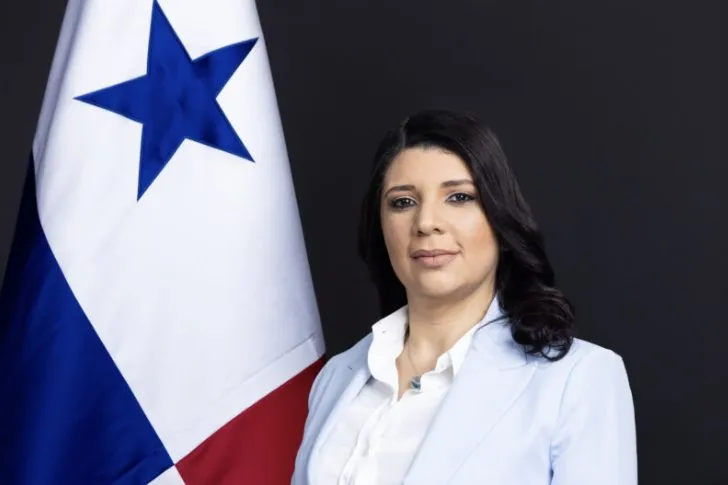
The Panamanian government has officially approved a new minimum wage structure following negotiations between labor, business, and state representatives. The Ministry of Labor (Panama) announced the agreement on Wednesday, December 10, 2025, after the final session of the National Minimum Wage Commission. The increases will apply to over 400,000 workers across dozens of economic sectors starting January 16, 2026.
Labor Minister Jackeline Muñoz detailed the specific adjustments, which vary by region and occupation. The agreement ensures every covered worker will receive a raise of at least 9.50 balboas per month. Panama uses the US dollar as its official currency, with the balboa pegged at parity.
Specific Increases by Sector and Region
For Region 1, which includes major urban areas, domestic workers will see a 10 balboa monthly increase. Security agents receive a 12 balboa raise. Workers in restaurants, hotels, and freight transport are set for a 9.50 balboa adjustment. Region 2, covering other parts of the country, will grant waste collectors in Region 1 an additional 15 balboas monthly.
Retail trade workers in both regions will get a 9.50 balboa increase. Wholesale trade in Region 1 also receives a 9.50 balboa monthly raise. The new wage structure applies to 74 economic activities governed by 59 different rate categories.
“No worker will fail to receive at least a 9.50 balboa adjustment starting in January,” said Minister Jackeline Muñoz. [Translated from Spanish]
The minister emphasized the commission’s transparent, item-by-item analysis of alternatives. She stated the consensus was reached for the benefit of the country’s workers. The formal proposal will now be presented to President José Raúl Mulino for final approval.
Path to Consensus After Divergent Proposals
This announcement concludes a negotiation process that faced initial challenges. The deadline for an agreement was set for December 10. Only two major labor unions, the National Council of Organized Workers (Conato) and the National Union of Industrial Workers (Conusi), submitted formal proposals with widely different positions.
Conato proposed a 7 percent increase for large companies and 6 percent for small and medium enterprises. Conusi’s proposal was far more ambitious. It called for a unified minimum wage of 1,956 balboas, representing an increase of over 200 percent from many current levels.
A representative from Conato commented on the final outcome during the press conference. “Conato has made its best proposal,” they stated. [Translated from Spanish] Business sector representatives acknowledged the difficulty of the talks. They agreed the final compromise was necessary for national well-being.
The first meeting of the tripartite commission was held on November 19. The successful agreement prevents a scenario where the government would have been forced to impose a unilateral decree. The Minimum Wage Commission operates as a key social dialogue mechanism in Panama.
Implementation of the staggered increases will be overseen by the Ministry of Labor (Panama). The ministry is responsible for ensuring compliance across all affected industries. This marks the first major wage adjustment under the Mulino administration, addressing a key economic concern for the nation’s workforce.