


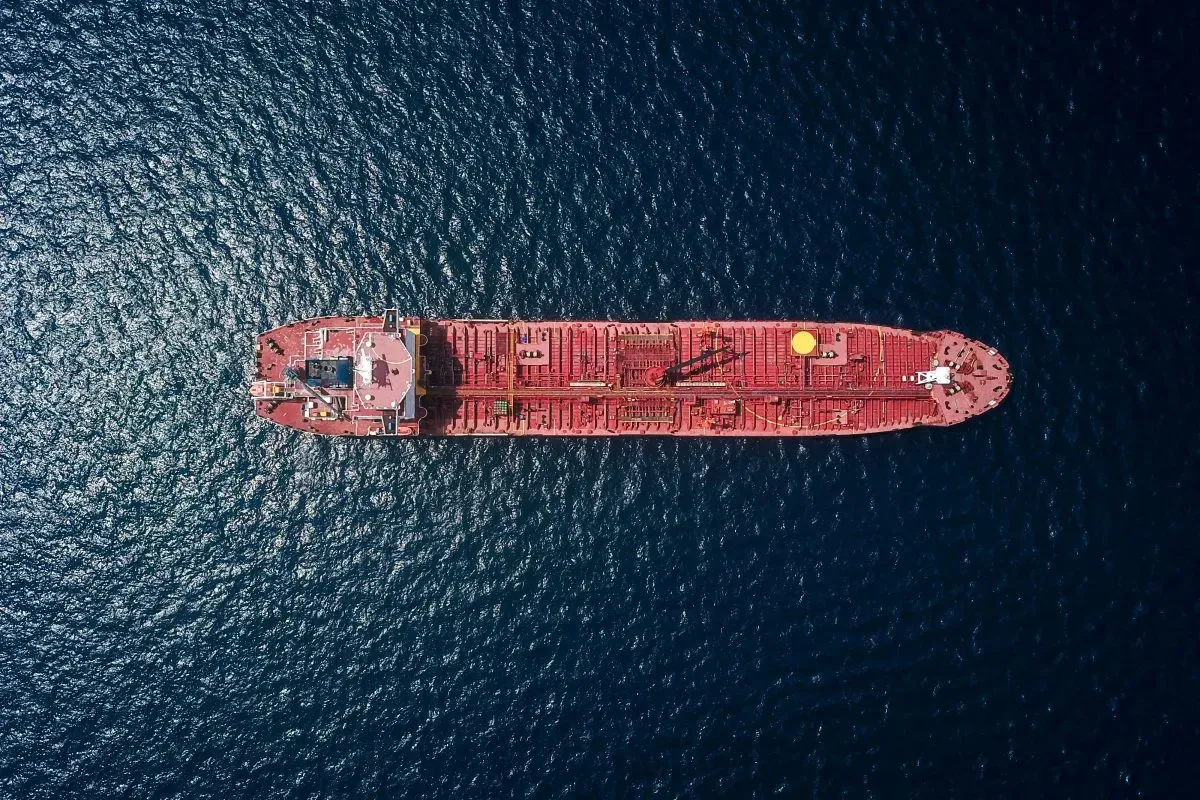
Multiple nations have voiced support for Panama following reports of Chinese port authorities detaining or delaying vessels under the Panamanian flag. The emerging diplomatic dispute centers on maritime trade rules and has raised concerns over potential disruptions to global supply chains. Officials from the United States, Israel, and Paraguay issued statements this week backing Panama’s position.
These governments characterized China’s reported actions as a form of economic pressure. They argue the detentions lack proper technical justification and instead represent political coercion. The situation highlights the fragile nature of international shipping norms, especially for a major maritime nation like Panama, which operates the world’s largest ship registry.
“China’s decision to detain or impede the transit of Panamanian vessels destabilizes supply chains, raises costs, and erodes confidence in the global trading system,” said U.S. Secretary of State Marco Rubio. [Translated from Spanish] He added that the United States “supports Panama” against any action affecting its sovereignty.
Global Reactions and Diplomatic Tensions
Israeli Foreign Minister Gideon Sa’ar aligned with this view. He emphasized that the application of maritime regulations must remain fair and technical, free from political influence. Disproportionate ship detentions, Sa’ar warned, risk damaging international trade and mutual trust. Paraguay’s foreign ministry took a stronger stance, condemning what it labeled Chinese “commercial harassment” of Panama.
Paraguayan officials called the reported ship retentions unacceptable. They described the actions as a form of pressure that endangers worldwide commerce. The South American country formally reiterated its solidarity with Panama through diplomatic channels. Panama’s own foreign ministry has so far acted as a conduit for these statements, sharing the supportive declarations from other nations on its official platforms without providing extensive additional comment.
The core of the issue involves the principles of ship registration (flag state). Panama’s registry is a critical component of global shipping, offering vessels the right to fly its flag subject to its laws and regulations. Interference with ships based on their flag, rather than clear violations of international law, sets a concerning precedent for many maritime nations.
“The accusations from the United States are a complete invention,” said Chinese Foreign Ministry spokesperson Mao Ning, pushing back forcefully against the criticism. [Translated from Spanish] Ning suggested the claims were part of a U.S. plan to “claim hegemony over the Panama Canal.” She turned the question back on Washington, asking, “Who is undermining the canal’s neutrality and harming the stability of global chains through harassment and unilateral coercion?”
Strategic Implications for a Key Waterway
This exchange occurs against a backdrop of heightened geopolitical competition affecting major trade routes. The strategic importance of the Panama Canal adds a complex layer to the dispute. While the current allegations involve ports in China, the canal itself remains a neutral artery vital for global commerce. Any perception that external powers are contesting influence over the waterway or related maritime governance draws intense scrutiny.
Analysts note that tensions over shipping and trade lanes are becoming more frequent. The Panama flag dispute exemplifies how technical maritime administration can become entangled in broader diplomatic struggles. The immediate impact appears limited to a number of specific vessels, but the potential for escalation worries logistics experts. Prolonged detentions or expanded inspections could create bottlenecks, delaying cargo and increasing shipping costs during a sensitive time for world trade.
Panama now faces the delicate task of navigating these great power tensions. Its economic model relies heavily on the success of both its maritime registry and the smooth operation of the canal. The government must defend its sovereign rights as a flag state while avoiding actions that might permanently disrupt crucial trading relationships. The coming weeks will likely see increased diplomatic engagement behind the scenes as Panama seeks a resolution that ensures the free and fair movement of its registered vessels.