


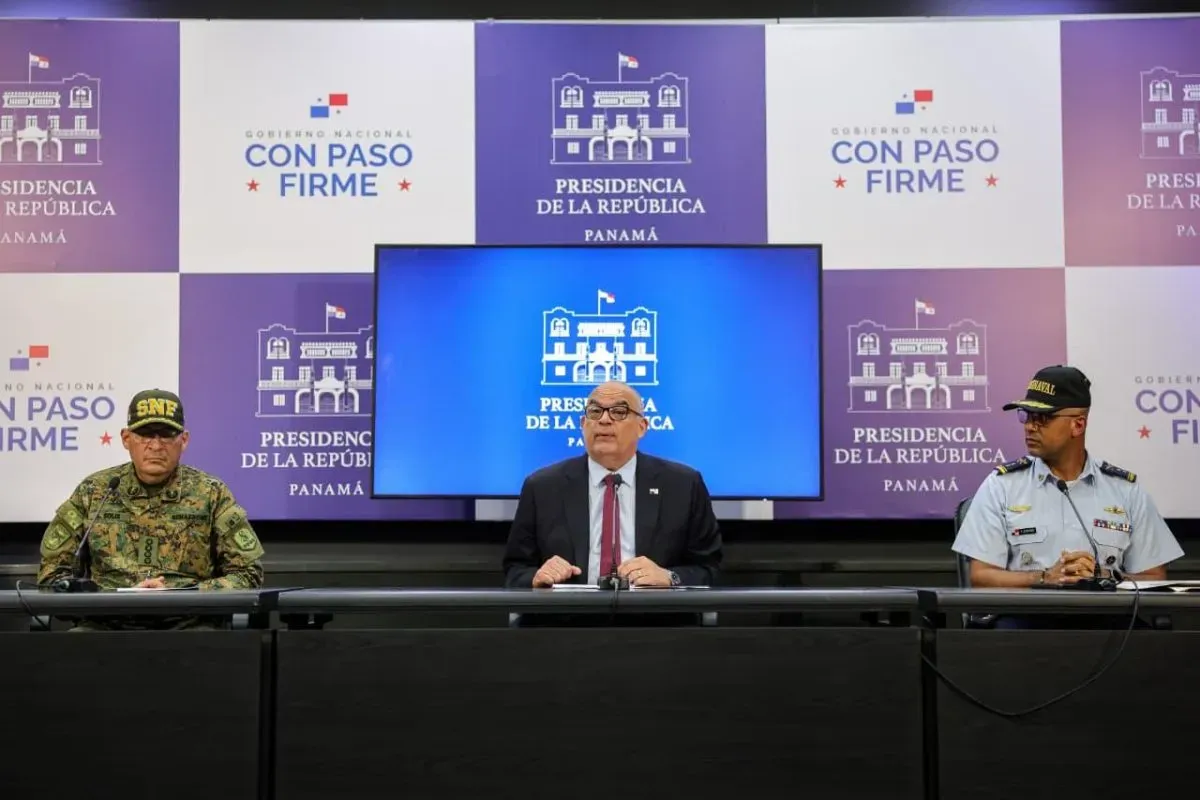
Panama’s National Border Service (Senafront) has dismantled a major criminal network and deactivated improvised explosive devices in the treacherous Darién Gap. The operation, conducted on Tuesday, December 16, 2025, resulted in multiple arrests and significant weapons seizures, highlighting the escalating security challenges in the remote border region with Colombia.
Senafront Director Larry Solís Velásquez detailed the successes of “Operation Sentinel.” His forces captured Colombian migrant smugglers, known as “coyotes,” and neutralized several deadly explosive traps. Authorities directly linked these activities to the transnational criminal organizations Tren de Aragua and the Gulf Clan (Clan del Golfo).
Explosive Devices and Criminal Infiltration
The operation launched after a critical alert from the Colombian Army. Senafront’s special forces moved in to conduct territorial control missions. Director Solís expressed deep concern over criminal groups endangering both binational patrol routes and the lives of indigenous communities.
Teams located and destroyed five improvised explosive devices. Two were found near the Binational Base La Olla, with three more in Alto Limón. Officials confirmed the devices were constructed from common materials, a signature method of structured criminal entities like the Gulf Clan.
“These events confirm the infiltration of transnational networks into illegal corridors,” stated Director Solís during a press conference alongside Deputy Security Minister Luis Felipe Icaza. [Translated from Spanish]
The offensive deployed over 300 special forces personnel to secure the area under “Plan Firmeza” and Operation Sentinel. This massive deployment struck a significant blow against migrant trafficking. Patrols detected small canoes transporting 33 foreigners during the operation.
Arrests and Armed Confrontation
Among those detained were two Colombian coyotes, eight individuals with biometric alerts, and two subjects connected to Tren de Aragua. The operation’s reach extended to maritime routes, where the Special Boat Battalion intercepted vessels near La Palma and Jaqué.
A separate interdiction in the Caribbean led to the capture of five Panamanian nationals. Authorities seized 110 packages of suspected narcotics along with communication devices. The situation escalated dramatically along the Membrillo River.
There, a patrol came under fire from armed men. Following the exchange, forces captured three Panamanians wearing pixelated camouflage uniforms. Seized items included a shotgun, AK-47 caliber ammunition, military gear, and a bracelet from the Colombian Gaitanista group, specifically its Efraín Guardia Front. This faction is a known drug trafficking organization.
Director Solís emphasized that territorial control remains one of Senafront’s highest-impact operational processes. The agency executes missions with specialized units to suppress crime with absolute force. These successful actions on the eastern border positively impact national and public security by addressing the convergent criminal risks facing Panama and its citizens. The operation underscores the ongoing challenge of maintaining control territorial against well-armed groups using tactics like improvised explosive devices (IEDs).